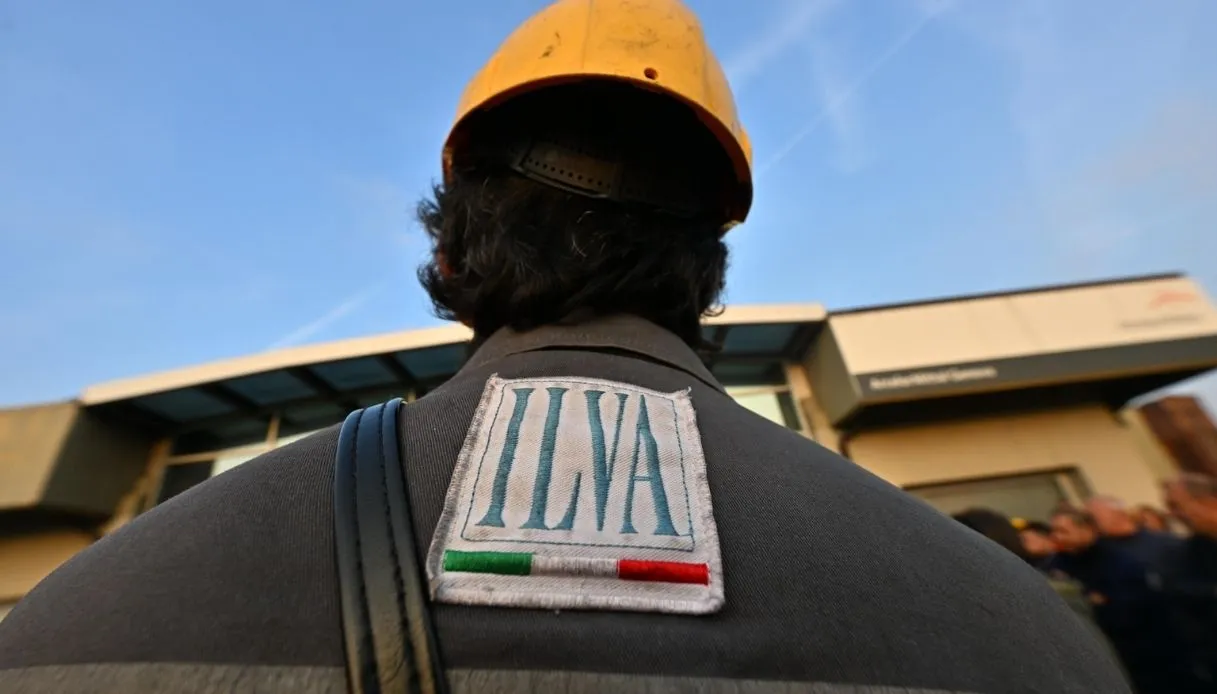
New chapter in the complex history of the former Ilva of Taranto. The Civil Court of Appeal of Milan confirmed the blockade of the blast furnaces in the hot area of the plant. It did so on October 5, rejecting the suspension request made by the companies involved.
The shutdown must be completed by the end of October, while the case will shortly land in the Supreme Court. A decision that weighs enormously on the future of one of the most discussed industrial centers in Italy.
What the Court decided
The Civil Court of Appeal of Milan confirmed the order to shut down the blast furnaces in the hot area. We are talking about the productive heart of the former Ilva, for the protection of which a request for suspension had been presented by Acciaierie d’Italia and by Ilva in extraordinary administration.
All rejected, for the second confirmation of the provision, after a first request had been rejected on 11 September 2026. The reasons are very clear, in which the judges have affirmed a clear principle: the right to health prevails over economic interests.
Key elements of this story were recalled, such as the presence of asbestos and harmful emissions. Objective risk factors for the population. It also underlines the protection provided by the Constitution and European Union law, rejecting the arguments relating to an alleged “irreparable damage” linked to the shutdown.
The Supreme Court: the next steps
However, the game cannot be said to be over yet. The next step is set for October 20, 2026, when the word will go to the Court of Cassation. Here a final decision will be made on the legitimacy of the provision.
Times are very tight, because the hearing comes close to the end-October deadline set to complete the shutdown of the plants. An intertwining of the judicial and operational calendar which makes the situation very delicate.
The economic consequences
But what irreparable economic consequences were we talking about? The stop to the hot area has inevitable repercussions on the future of the site, on employment and related industries. This has in fact always been the crux of the story. Is there a way to reconcile environmental protection and public health with production and many jobs?
Much will now depend on the decision of the Supreme Court and on the choices that the Government and companies will make on the relaunch and transition of the plant towards less polluting processes