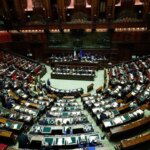
Amendments to the Competition Bill, under consideration in the Chamber, were presented. Among these, for example, there is a new attempt to combat unwanted advertising calls. Two other amendments, however, signed by Lega and Forza Italia, aim to intervene on the Consumer Code, introducing the blocking of commercial telephone communications.
Then there are a whole series of attempts to change the limits that prevent traders from offering discounted offers on products in the period preceding the seasonal sales and, finally, the offer on the doggy bag returns for those who are unable to completely consume the meal at the restaurant. Let’s see what the possible innovations are and how these could impact citizens’ wallets.
Telemarketing: towards a general ban
An amendment to the Competition Bill aims to combat unwanted advertising calls. It is the majority that proposes the amendment to expand the restrictions for the telephone sale of contracts relating to electricity and gas supplies.
There are two amendments signed by Lega and Forza Italia which ask for action on the Consumer Code. The amendments aim to introduce the blocking of commercial telephone communications of any nature, from messages to calls.
But there are various initiatives linked to the ban on telemarketing, also supported by Fratelli d’Italia and Italia Viva, although more limited.
Quick response call center
Fratelli d’Italia has signed an amendment calling for shorter times for call centers. Anyone who needs telephone assistance must obtain it within 150 seconds: this is the proposed amendment to the competition law.
The request is to push companies to modify their assistance system so that it ensures the consumer contact with a human operator within 150 seconds from the start of the call, avoiding excessively long waits.
Discounts even before sales
An amendment presented by Lega and Movimento 5 Stelle aims to eliminate the constraints that prevent the proposal of discounted offers on products in the period preceding the seasonal sales. The change would allow merchants to organize promotional initiatives without having to respect the time frame currently in force.
FederModa Italia-Confcommercio, however, is not convinced of the proposal because the elimination of the restrictions would risk creating confusion among consumers. Above all, they underline, it would not guarantee conditions of balanced competition between small shops and large distribution groups who can afford greater use of offers all year round.
Doggy bag at the restaurant
Then there is the return of the doggy bag proposal for customers who don’t finish eating their dishes at the restaurant and ask to be able to take them home.
It was a measure already foreseen in the Competition Bill, but excluded from the text subsequently approved by the Council of Ministers. Today it returns as a proposal from the League with signature on the amendment by Andreuzza, Di Mattina and Toccalini.
These ask to modify the text to allow customers to ask restaurants or other establishments that serve food and drinks to take away products that have already been paid for. The declared aim is to reduce food waste and encourage more sustainable behaviours.
The other amendments
We quickly close the list of amendments presented with the request for greater autonomy to the Municipalities to preserve and counteract the deterioration of the commercial fabric. This is a proposal from the League, which aims to identify specific premises and areas of the historic centers in which to introduce special provisions for commercial establishments.
Then there is the request to extend the stay of the Gradual Protection Service for domestic customers of the transitional electricity regime by another year and, finally, 23 proposals presented by the Action deputy in the Productive Activities Commission of the Chamber.
Among these:
- reduce obstacles to the competitiveness of businesses;
- the distribution of fuels with more streamlined rules;
- interventions to upgrade electric charging infrastructure;
- the strengthening of Antitrust tools against abuses of economic power;
- a review of the regulations of data processing centers active in personnel management;
- a reform of compensation for private copying, to make the distribution of resources to rights holders more equitable.