“With the new Highway Code the right of way at roundabouts changes”: if you happened to read this news today, know that it is only partial information.
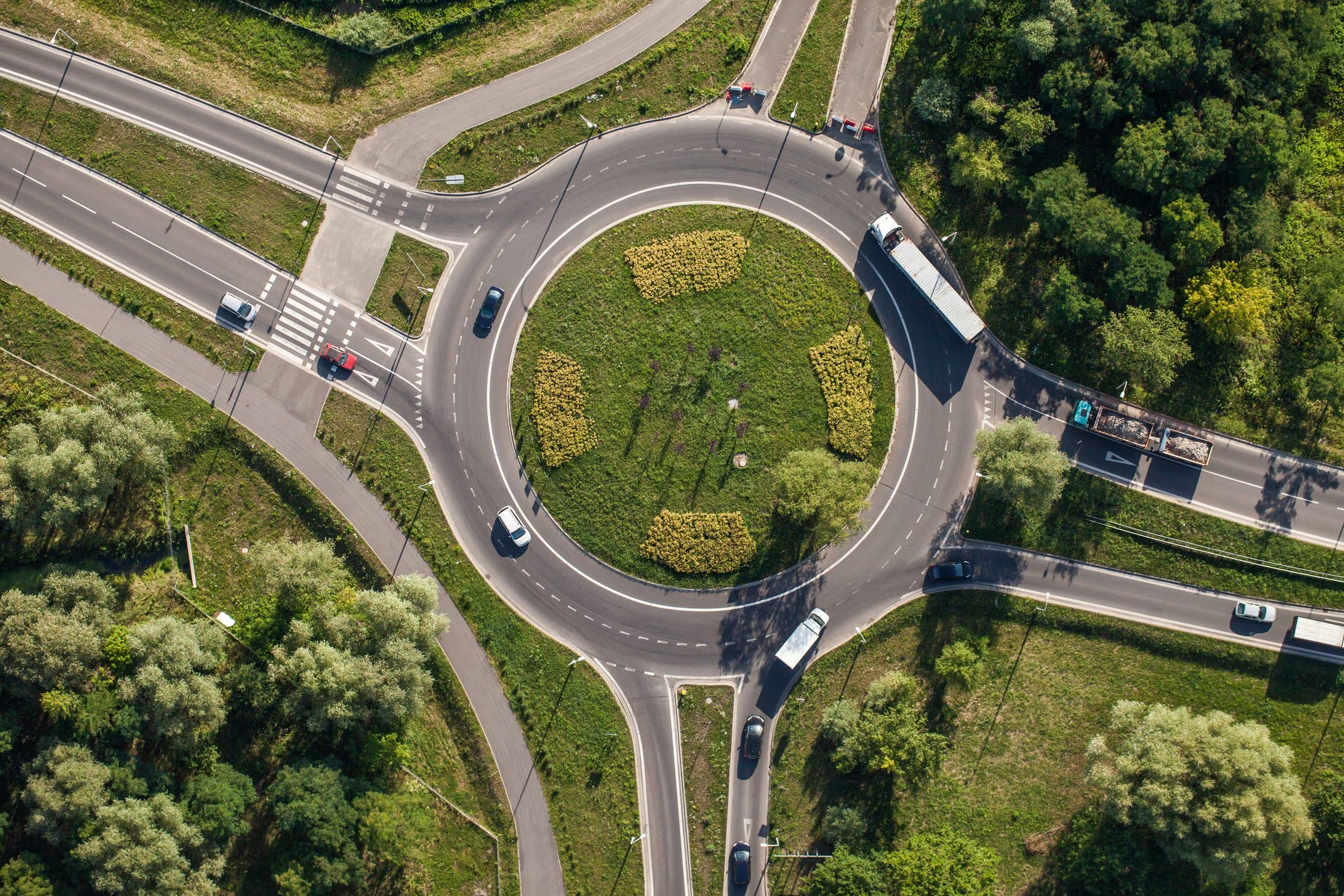
Indeed, the draft legislative decree of the new CDS (which, however, is still being examined and which will not come into force before 1 January 2028) introduces some specific rules for Italian roundabouts, establishing that, in roundabouts, priority belongs to those who are already traveling along the ring (unless otherwise indicated).
However, this is the mechanism that applies to almost all roundabouts in Italy, which follow the “French” model: those who are about to enter must give priority to those who are already inside.
The new Highway Code, therefore, is more specific in regulating the functioning of roundabouts, but in fact it does not change “the right of way in roundabouts”: for those who drive, therefore, there is no drastic change.
Simply, in the unlikely event that we find ourselves in front of an “Italian-style” roundabout (where, as there is no “give way” sign at the entrance, the right of way goes to those arriving from the right), just remember to use the roundabout as we already do with all the others.
What does the new CdS provide for right-of-way at roundabouts?
The novelty is contained in article 52 of the new Highway Code, dedicated precisely to precedence at intersections. Paragraph 11 establishes that, unless otherwise indicated, drivers traveling through roundabouts have priority over those entering them from the side arms.
The relevant point is precisely the “unless otherwise indicated”: until today the Highway Code did not contain an explicit rule on the right of way in roundabouts and, therefore, in the absence of the “give way” sign, the general rule of right of way applied, also reiterated in Circular no. 6935/2017 of the Ministry of Transport.
If the new Highway Code were to be approved, the general rule will be to give priority to those already in the ring, i.e. the so-called “French” scheme.
This means that the innovation only concretely affects “Italian-style” roundabouts, those without a signal at the entrance where until now priority belongs to those entering.
So what changes for those who drive? Little and nothing. Almost all roundabouts in Italy already follow the “French” model, the one we all know, and have a “give way” sign before entering. The new rule, if approved, will therefore concern a tiny slice of the thousands of roundabouts found in Italy.
How roundabouts work: the new rules on the use of lanes
What is really useful in the new Highway Code concerns the operation in multi-lane roundabouts. In our country, in fact, there are many drivers who make the mistake of using roundabouts, perhaps also because there is a regulatory gap: in the current CdS there is actually a lack of clear and unambiguous regulations on roundabouts, with the Ministry of Transport having to intervene in 2017 by approving Circular no. 6935 to clarify the issue.
The new Code, however, resolves this problem, establishing in article 51, paragraph 8 that:
- Vehicles that must turn at the first exit occupy the position closest possible to the right edge of the roadway;
- Vehicles that continue towards other exits (therefore beyond the first exit) stay as close as possible to the central island, even when the road is clear.
If the roundabout is organized into multiple lanes demarcated on the asphalt, unless otherwise indicated:
- Anyone turning at the first exit takes the lane closest to the right edge;
- Those who continue towards other exits use the lane closest to the central island.
The same rule also applies to vehicles without engines, bicycles, electric scooters and self-propelled cycles. To this is added article 52, paragraph 10, which provides:
- Anyone changing lanes within the roundabout must give way to vehicles already occupying the lane they intend to enter. In practice, to reach the exit you cannot “cut the path” of anyone traveling along the ring.
In other words, if in 2028 the new regulation were to come into force without changes to this part of the text, roundabouts in Italy will work like this: only those who have to take the first exit must keep to the right, all other drivers will have to take the lane closest to the centre, and then turn on the direction indicator (the arrow) and change their lane in advance of the chosen exit, giving priority to those who are already in that lane.