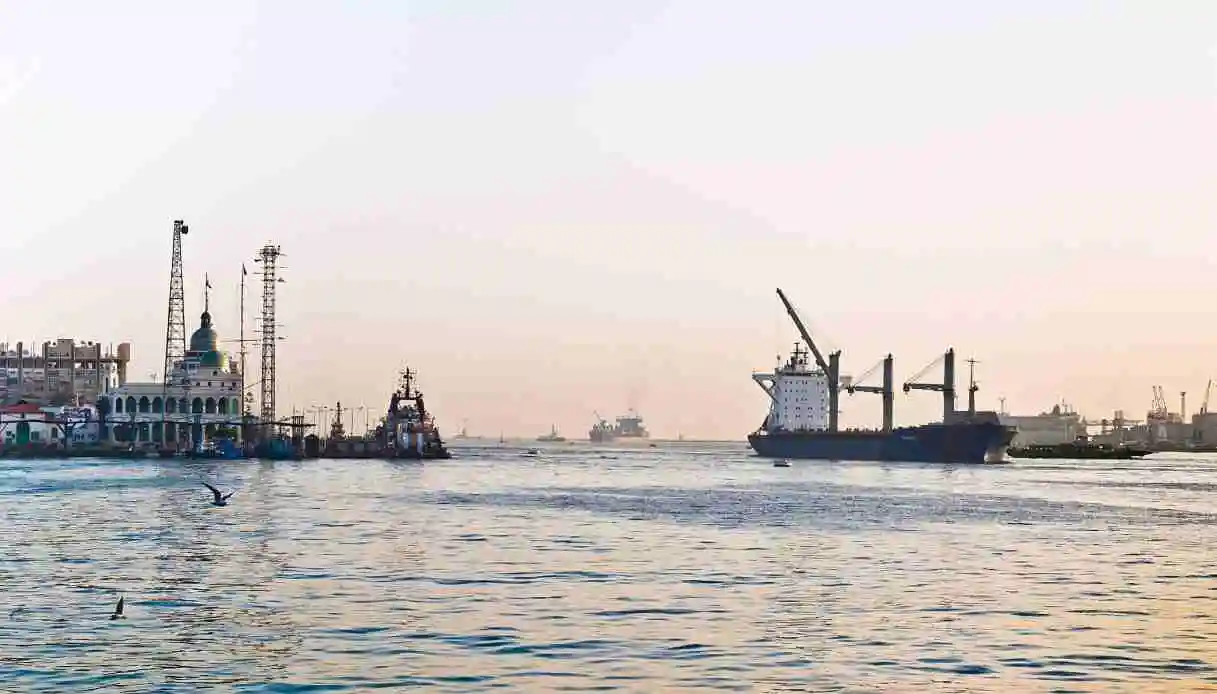
Oil also broke through the 100 dollar ceiling over the weekend, for the first time since July 2022, due to the intensification of geopolitical tensions and the prospect that the war in Iran will last longer than expected: there is talk of at least a month and a half or even more. The price of a barrel is driven by the closure of the Strait of Hormuz, which is difficult to circumvent, and its impact on global oil production. A rationing that will weigh especially on China and more generally on the Far East.
Oil hits high of 120 dollars
This morning, Brent prices are around 107.86 dollars a barrel, up 16.4% compared to last Friday’s closing prices, after reaching highs of almost 120 dollars in overnight trading. Crude oil rallied about 38% last week due to the outbreak of war in Iran during the last weekend of February.
At the same time, the North American WTI stood at 102.52 dollars a barrel, up 13% compared to Friday, after reaching a peak of 119 dollars overnight and having achieved a rise of 44% last week.
G7 towards emergency stock release
Rumors of a possible release of emergency reserves by the G7 countries contributed to tempering prices. According to the Financial Times, G7 finance ministers will discuss it at an extraordinary meeting today. The release of emergency reserves will take place in coordination with the International Energy Agency by three G7 countries, including the United States.
Gulf countries slow down drilling
And while the war in Iran is intensifying, the bombings have also hit Iran’s oil infrastructure, jeopardizing the production of one of the largest contributors to OPEC production. In fact, Iran has a production of approximately 3.5 million barrels per day, plus 0.8 million of condensate, equal to approximately 4% of world production, largely destined for export.
But it’s not just Iranian production at risk. some Gulf countries have been forced to stop drilling due to the blockade of the Strait of Hormuz. Kuwait announced a precautionary reduction in oil production and refining on Friday evening, while the state company Kuwait Petroleum Corporation explained that the decision was part of its “risk management and business continuity strategy”.
Other Gulf countries, such as Qatar and the United Arab Emirates, have also found themselves forced to reduce production due to the failure of oil tankers to transit through the Strait of Hormuz. According to the International Energy Agency, current production has fallen to around 4 million barrels a day compared to the 20 million that normally come out of the Gulf. And even the hypothesis that Saudi Arabia and the Emirates use the Yanbu terminal on the Red Sea partially cushions the impact on the market, but does not completely neutralize the effects of the blockade.
United States assures: traffic in Hormuz will resume soon
Meanwhile, the United States assures that the transit of ships in the Strait of Hormuz will resume shortly. This was announced by US Energy Secretary Chris Wright, explaining that “the flow of energy will resume soon” and that the recent increases in oil prices are only a “small price” to pay for lower prices in the long term
Then, Wright explained that the impact will be felt above all on China which “is about to lose the second of its three oil suppliers” which are Iran, Venezuela and Russia. According to analysts, 40% of Chinese imports come from the Gulf area.