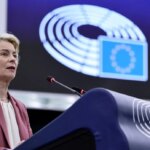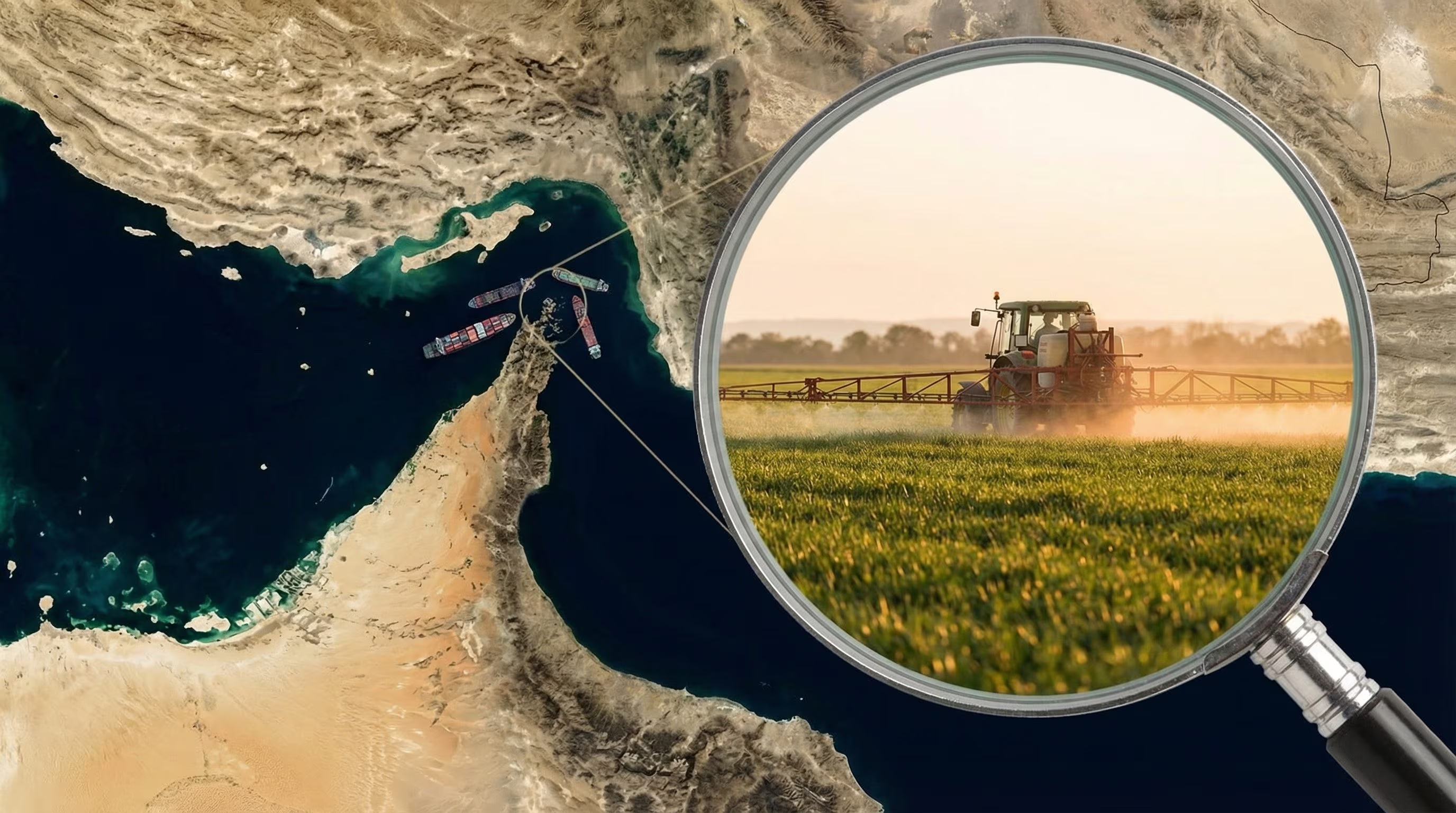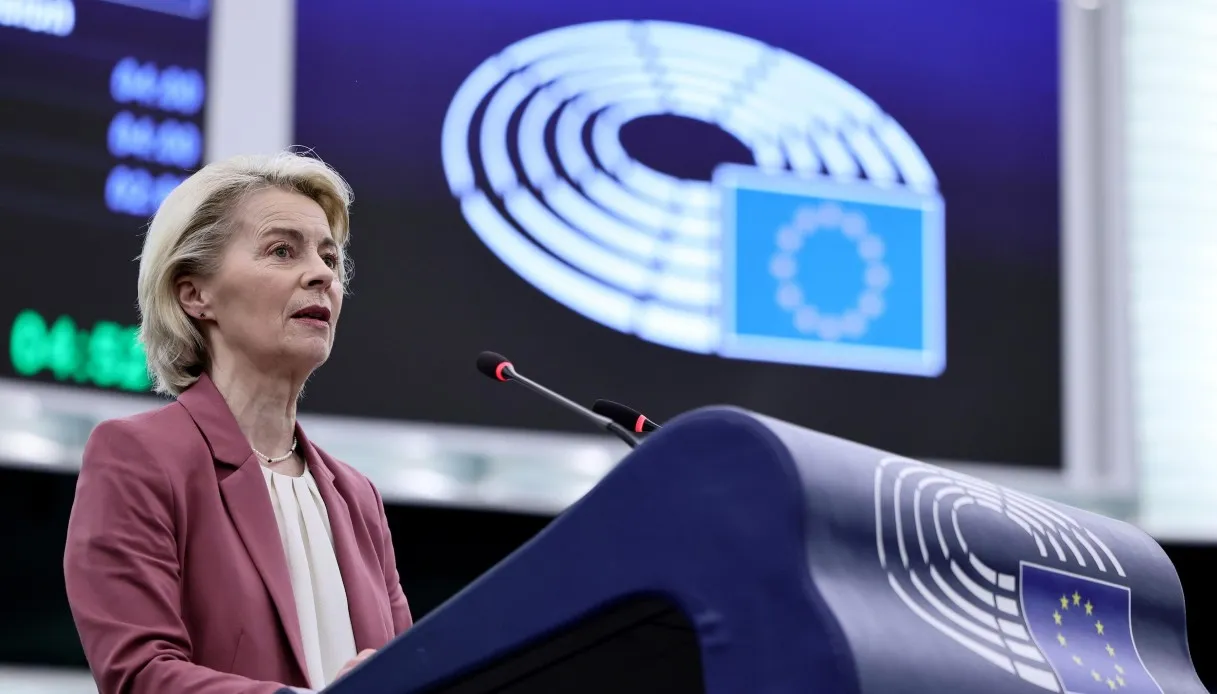
The conflict in the Middle East is already leaving its mark on European energy bills. The president of the European Commission, Ursula von der Leyen, said it bluntly, speaking at the plenary session of the European Parliament in Strasbourg. The reference is to the joint debate on the next EU summit and on the military intervention of the United States and Israel in Iran.
The numbers of the conflict
The data cited by von der Leyen are unequivocal: since the beginning of the conflict, gas prices have increased by 50% and oil prices by 27%. Translated into concrete figures, it means that just ten days of war have already cost European taxpayers 3 billion euros more due to fossil fuel imports. “This is the price of our dependence,” the president underlined.
Despite diversification efforts from 2022, Europe remains structurally vulnerable to global market shocks. For this reason, Brussels intends to maintain its long-term energy strategy, defining the push by those who would like to return to Russian fuels as a strategic error. The objective is now to analyze the components of the bill: the cost of energy accounts for 56%, followed by network charges (18%), taxes (15%) and carbon costs (11%).
Nuclear and renewables
The European strategy focuses on what von der Leyen defines as “national low-emission energy sources”. If in the last ten years solar and wind have overtaken fossil fuels in the EU’s energy mix, the history of the atom has been more complex, with its share falling from 33% in 1990 to 15% today.
The president admitted:
I believe it was a strategic mistake to turn our backs on a reliable and convenient source like nuclear power. This energy does not compete with renewable energy, but they are more powerful when managed together.
Renewable energies and nuclear power, von der Leyen recalled, have maintained stable prices throughout the crisis. This shows, according to the president, that diversification is the right path. “We can certainly be more pragmatic and smarter in its implementation, but the direction of travel is the right one.”
How the EU wants to relaunch nuclear power
Ursula von der Leyen presented the European strategy to relaunch the civil atomic sector. The plan is divided into three pillars:
- simplification of rules;
- a regulatory “sandbox”, i.e. a protected regulatory space in which companies can test innovative technologies;
- a 200 million euro guarantee aimed at attracting private investments in small modular reactors (SMRs).
According to European Commission estimates, the sector will need 240 billion euros of investments by 2050. The fund announced by von der Leyen represents a first tool to reduce financial risk and close the gap accumulated compared to China and the United States.
This is a historic change of direction. European institutions have not actively supported the nuclear supply chain for fifty years. Only since 2023 has atomic energy been recognized as “sustainable” in the European taxonomy. Today, out of 411 active reactors in the world, 122 are located in Europe, about half of which are in France.