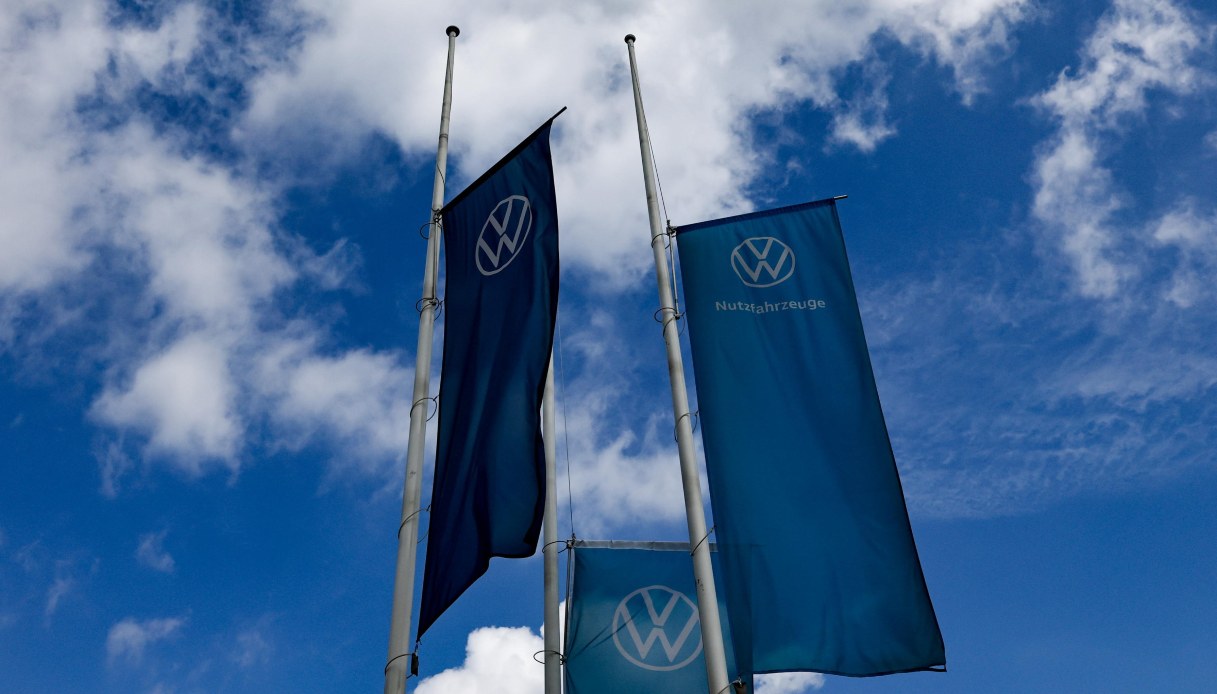
A ruling of the Federal Court of German Justice risks reopening the dietary chapter in Volkswagen for Volkswagen: dieselgate. The judges of Karlsruhe have in fact canceled the approval of the transactive agreement signed in 2021 with the former CEO Martin Winterkorn and the former number one of Audi, Rupert Stadler.
The “opaque” agreement and “symbolic” compensation
That agreement, voted by the Assembly with over 99% of the yes, provided that the two former managers pour personal contributions – 11.2 million euros for the former president of the German group Martin Winterkorn and 4.1 for the former member of the Board Rupert Stadler – in exchange for the coverage of a D&O insurance policy. For Volkswagen, it was the way to close the responsibility actions and turn the page, after a scandal that cost the Wolfsburg group over 33 billion.
But according to the Supreme Court, that approval is spoiled. The judges established that the shareholders were not put in a position to deliberate with full awareness. Volkswagen, we read in the reasons, did not adequately clarify the heritage of the former managers nor that the agreement would have actually exonerated other managers from further responsibilities. A “defect of transparency” that invalidated the vote.
The outbreak of dieselgate
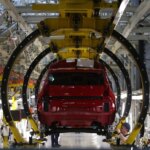
Exactly a decade ago, on 18 September 2015, the American EPA discovered the scandal that would have overwhelmed Volkswagen and the entire car industry: the dieselgate.
The deception was technologically simple but of a huge flow: a “make -up” software (Defeat device) installed on diesel vehicles recognized the laboratory tests and lowered emissions only for the test time. In the real guide, the nitrogen oxide levels (NOX) splashed up to 40 times beyond the legal limits.
The numbers of an epochal scandal are as follows:
- The vehicles involved were 11 million all over the world;
- The calls in Europe were about 8.5 million cars;
- The financial cost for the German company, of over 33 billion euros (between fines and causes) is very high.
The agreement concerned consumers who bought one of the models involved in the dieselgate scandal between 2009 and 2015 – or Volkswagen, Audi, Škoda and Seat vehicles equipped with a diesel engine and 189. The amounts vary:
The consequences led to arrests and sentences for the managers and annihilated the reputation of the German giant. It was a scam not only to the rules, but to the health of consumers and the environment, whose cost – in money and in confidence – to be paid.
What happens now
The case now returns to the lower grade courts, which will have to review the appeals presented by the shareholders’ associations. These have always contested the disproportion between the damage suffered by the company and the compensation, judged “symbolic”, agreed with the former leaders.
In a note, Volkswagen defended the agreement, claiming to want to achieve “the same result” with a new legal frame. The cancellation, however, opens a complex scenario: the group could be forced to renegotiate not only with the former managers, but also with the insurance companies in a D&O market for the increase in disputes linked to corporate scandals.