The war in Iran has triggered a new crisis in energy prices, from oil to gas. There is no shortage of raw materials, but they cost too much and the price shock could worsen. Europe thus finds itself facing its third systemic crisis in less than a decade, after the pandemic and the war in Ukraine.
The EU energy plan
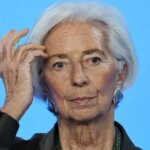
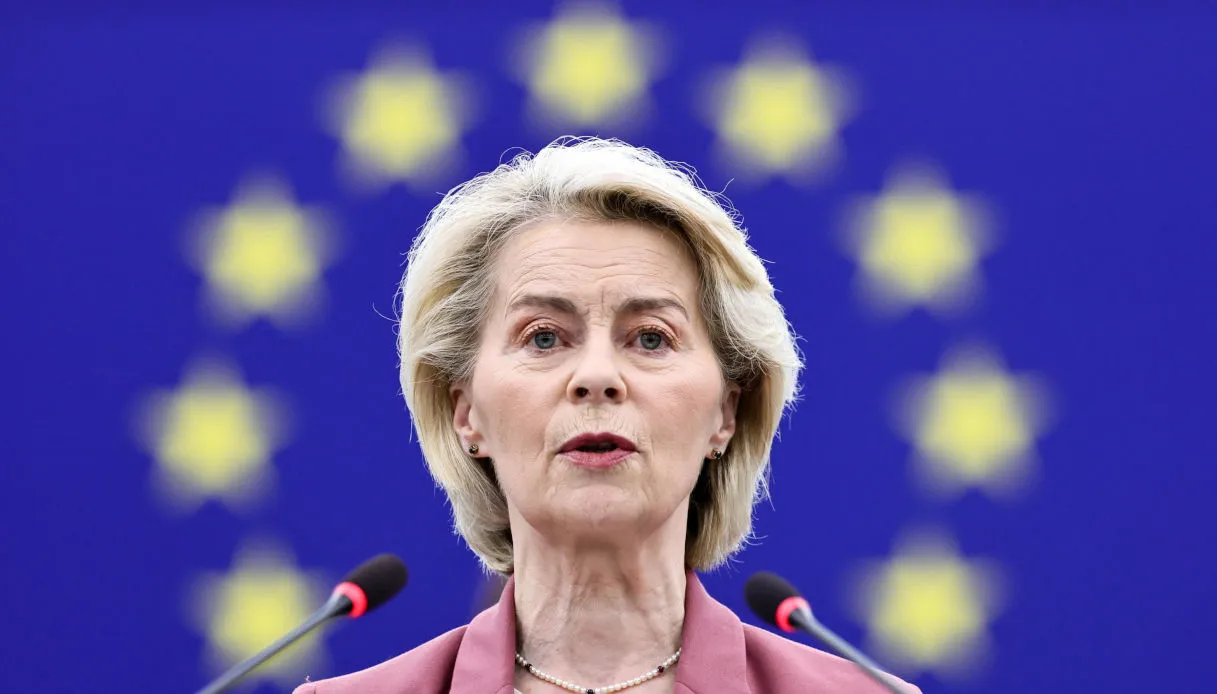
The European Union’s emergency energy plan, anticipated by Commission President Ursula von der Leyen, comes when in just over two weeks the EU has already incurred around 6 billion euros in additional costs for energy imports.
Brussels’ plan focuses on immediate measures to protect families and businesses, particularly energy-intensive industries that are already under pressure and which, in turn, have triggered the distress of the banking sector.
The plan includes:
- greater flexibility on state aid;
- reduction of taxes on electricity bills;
- push to reduce consumption;
- acceleration on renewable energy.
In summary: for the EU, renewables remain the long-term solution but in the very short term we need to add mechanisms to resolve the volatility due to high prices and geopolitical tensions.
The Ets reform
However, the real battle will be played on the ETS (Emission Trading System), the European emissions market. Von der Leyen seems to have abandoned maximalist positions to open up to a review that makes, in her words, the trajectory of decarbonisation “more realistic”, introducing:
- new benchmarks;
- strengthening the market stability reserve;
- greater flexibility on quotas and permits.
In practice, taking a reality check, the EU Commission realized that the old objectives aimed at reducing greenhouse gas emissions risked crippling European industry, with dramatic repercussions such as the loss of market shares, especially to the advantage of Chinese competitors, and the risk of workforce cuts.
We are accelerating work on the next review of the ETS (Emissions Trading System), in particular to define a more realistic decarbonisation trajectory beyond 2030.
This was the announcement by Ursula von der Leyen in the letter in which she updated the European Council on competitiveness issues in view of the summit on Thursday 19 and Friday 20 March. However, a total stop to the ETS system is excluded.
Energy and geopolitics
As regards energy, the main risk is linked to the Strait of Hormuz, a strategic hub for the transport of oil. A possible escalation could cause a further shock on the prices of oil and gas, but also of other goods such as fertilizers.
European Energy Commissioner Dan Jorgensen warned: the situation could worsen further and requires immediate measures.
Definitive stop to Russian gas
As regards tensions in the east, the geopolitical line does not change and the total exit from Russian energy remains confirmed. Jorgensen reiterated that
We will no longer import a single molecule.
In the meantime, we are working on new rules to also eliminate the exemptions still active for some countries.
The position, however, does not please Viktor Orbán’s Hungary, which is already ready to use the veto on other dossiers. For his part, Vladimir Putin, a little seriously and a little provocatively, said he was willing to help Europe by providing energy raw materials to deal with the Hormuz crisis.