Perhaps not all owners of an Android smartphone are aware of it, but Google’s mobile operating system integrates a function that warns users in the event of an earthquake with three types of notifications that are activated based on the severity of the existing seismic event. Now Google has announced the expansion of this feature to over 200 countries, thanks to which over 1 billion notifications about seismic events have been sent, at least so far. The system, called Android Earthquake Alerts System, was defined by Google as «the largest mobile earthquake detection network in the world» and apparently it is destined to increase its scope of action. Let’s see how Android’s earthquake detection system works and what changes with the update announced by the Mountain View giant.
Android Earthquake Alerts System arrives in over 200 countries
The reason why Google has decided to expand Android earthquake alerts to over 200 countries and to update the notifications that alert users about the arrival of the earthquake is to help save as many lives as possible. Since the launch of the system, which took place in 2021, the company has sent over a billion notifications, while the areas reached by the service have gone from 98 to more than 200. At the moment, unfortunately, Italy seems not to be included in this list (as can be seen from this page), although nations close to ours – including Austria, France, Germany, Greece, Spain, Slovenia, Switzerland and even San Marino – are. At the moment Google has not specified the reason behind this choice.
The update announced by Google on October 15 also introduces new information in the alerts, with more detailed information on the possible intensity of the tremors, the location of the earthquake and the behavior that should be adopted. The idea behind the project is simple: earthquakes cannot be avoided, but receiving a warning before the vibrations reach a certain area can be useful to gain some time and use those precious seconds to get to safety.
The system is called Android Earthquake Alerts and is a seismic detection network that uses smartphones to detect earthquakes and alert Android users in affected areas. Its peculiarity is that it does not require the construction of a traditional sensor network in every area of the earth, but uses the accelerometers already present in phones to measure the movements and accelerations of the device.
When a smartphone detects vibrations compatible with those of an earthquake, it can send a signal accompanied by an approximate position to the central system. The server collects information from many devices and compares it to understand whether a seismic event is actually underway. This method is called crowdsourcing: it means collecting data and contributions from a large number of devices or people, rather than relying exclusively on a centralized network of dedicated tools.
2 billion phones can turn into many small seismometers
According to Google, the over 2 billion Android phones used in the world can thus be transformed into as many small seismometers, i.e. instruments that record the vibrations of the ground. The system, being able to analyze the signals of such a large number of devices, is able to estimate where the earthquake is occurring and how the tremors are propagating, so as to send notifications to people who could be affected by the propagation of seismic waves.
The operation, however, is not identical everywhere. In California, Washington and Oregon, in the United States, Google is working with ShakeAlert, a system that uses a network of 1,675 seismic sensors. These instruments detect the waves generated by the earthquake and allow them to estimate their position and magnitude, which is a measure of the magnitude of the seismic event. The information is then transmitted to the Android system, which distributes alerts to affected users. In the other areas covered by the service, however, detection is based on signals collected by smartphones.
Updated alerts and 3 new earthquake alert levels
In addition to making the Android Earthquake Alerts System available in more countries, Google has also updated notifications to make the information received during the seismic event more understandable. The system provides three warning levels, designed to respond to different situations.
- The first type of notification, called “Attention”, signals a nearby earthquake when light tremors are expected.
- The second alert is “Be Ready” and provides a more detailed warning of potentially stronger vibrations and encourages you to prepare to take action.
- The third, however, is called “Act” and as can easily be understood consists of a full-screen notification that is sent in the event of tremors exceeding magnitude 4.5 and is accompanied with immediate instructions to seek shelter.
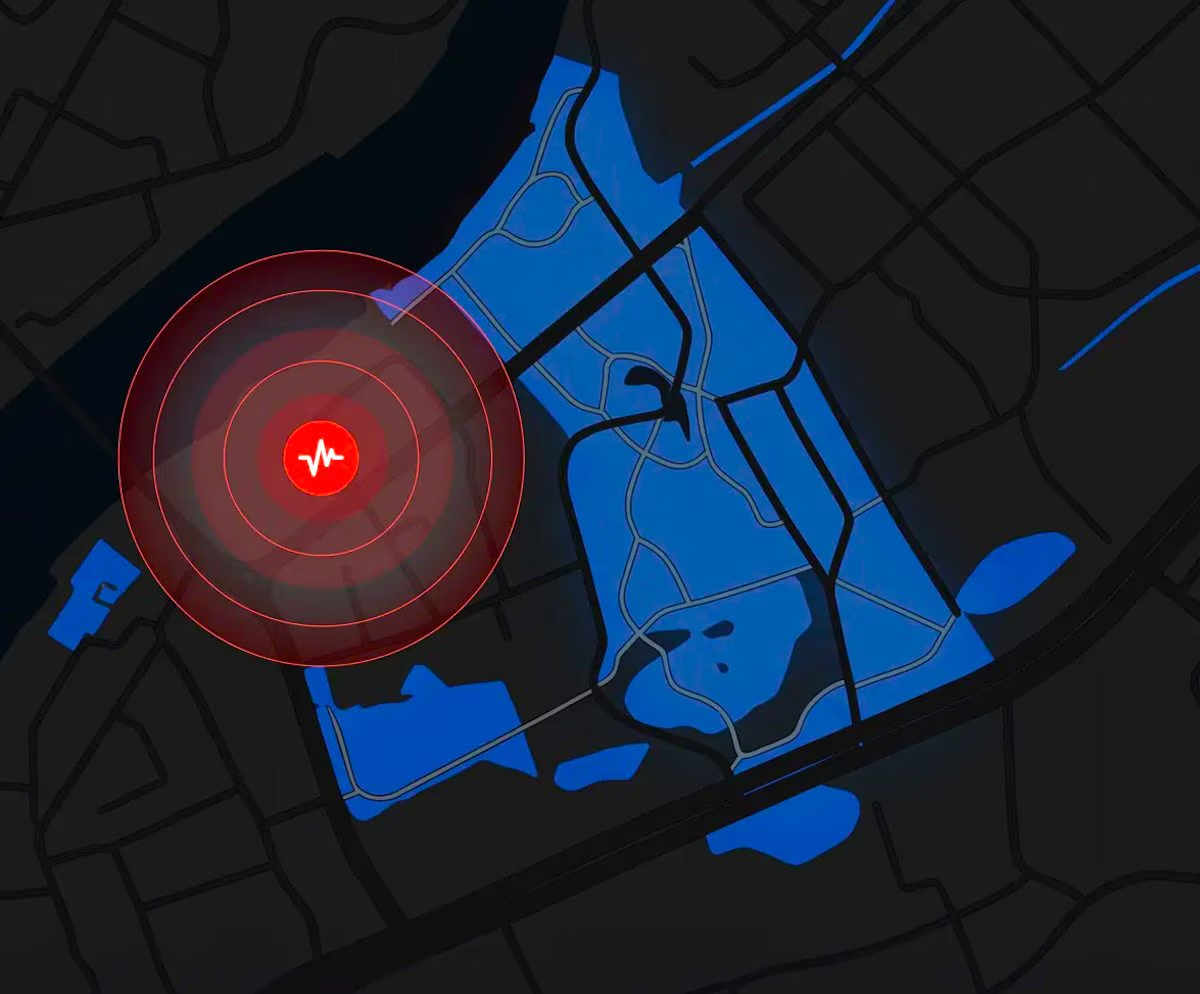
The update mainly concerns the “Be ready” warning, which will be enriched with further information elements. In the coming months, users will be able to view a map of the area where the tremors were detected, an estimate of the earthquake’s magnitude and practical suggestions on what to do. There will also be a button to learn more about the event as new information becomes available.