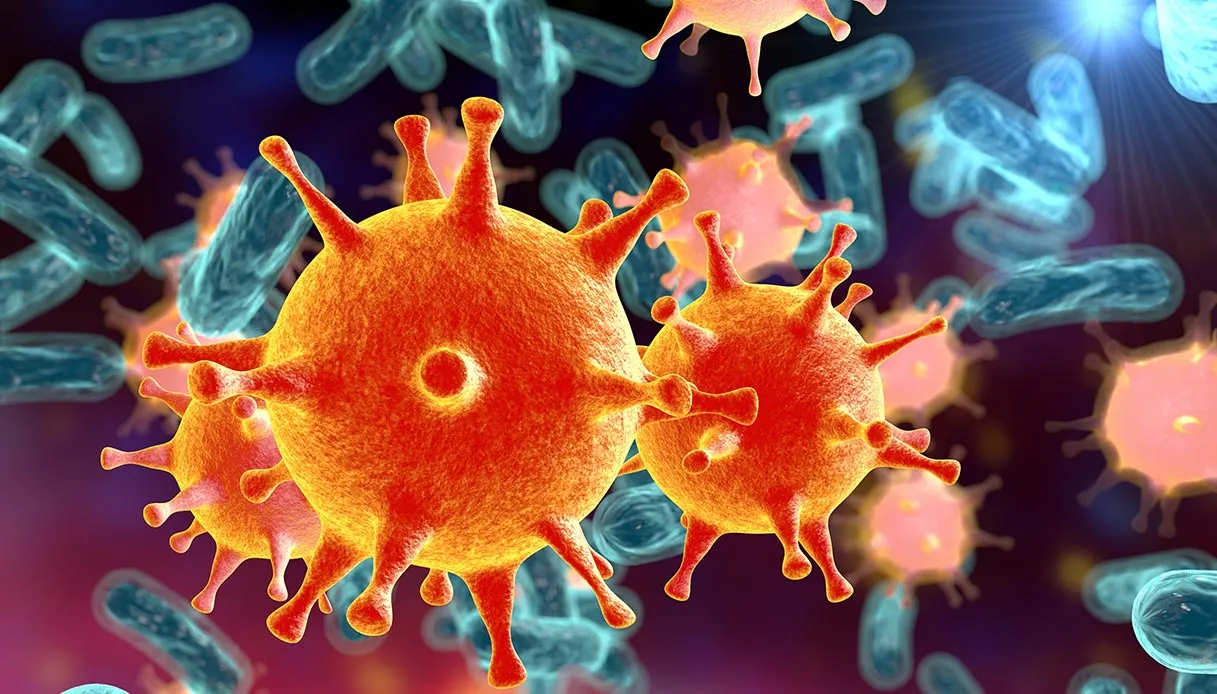
When we think about microbes, we can’t help but think about the diseases they can cause. But this is a partial, incomplete and in some ways even improper vision. Because “good” bacteria are a fundamental part of our well-being, as demonstrated by research coordinated by Jake Robinson of Flinders University which appeared in Microbial Biotechnology. The study highlights how microbes are often a support element for our well-being, eliminating the false myth that all microorganisms are a threat.
Beyond fears
This paradigm shift is explored by research, which also proposes the availability of a data bank dedicated to good bacteria. The document could be called “Salutogenic potential database“. This is a first-of-its-kind open-access prototype that collects information on microbes and natural compounds associated with positive health effects. The goal is to make this growing body of evidence easier to access and apply.
According to experts, it is fundamental to consider the value of biodiversity by exploiting cognitive trends that recognize the vital role of different ecosystems in creating environments that promote health not as the absence of diseases but as a true state of well-being, in a One Health logic. The advice that comes from the study is to also rethink the environment in which we live, considering, as reported in a note from the university indicating the words of the coordinator of the study, the design of healthier cities and schoolyards, the restoration of ecosystems and the reconsideration of green infrastructures. All to make the most of the possible “surplus” of health and well-being that can come from bacteria, which have a fundamental role in the regulation of the immune system, in metabolism, in the suppression of diseases, in the reduction of stress and in the stability of ecosystems.
With the loss of biodiversity threatening health, working to expand the richness in terms of bacteria and the biochemical reactions linked to them could be fundamental to supporting the health of humans and the planet.
What was discovered
The researchers identified 124 microbial taxa with potential beneficial effects on health, along with 14 biochemical compounds potentially linked to benefits including, among other things, activities on the immune system and stress. The database collects this information and obviously represents only the beginning of a path that goes beyond human health but expands to the well-being of ecosystems, integrating salutogenic thinking into One Health frameworks.
To understand the value of this research, it is necessary to remember that the human being is ultimately an aggregate of eukaryotic, prokaryotic and archaeal cells. It is therefore not surprising that even mitochondria, the structures within which cellular energy is produced, are ultimately assimilated to bacteria or are even their descendants. Thanks to research technologies, we must realize that at least on the numerical front we are destined to be “dominated” by the inhabitants of our body. The figures say it: the number of microbial cells that live in the human body is ten times higher than that of eukaryotic cells. The majority of these prokaryotic cells are found in the human intestine, and even from a genetic point of view, the genomes of these bacteria contain more than a hundredfold the number of genes compared to that of humans. In short: a great source of knowledge and, according to research, also of well-being for us and the environment.