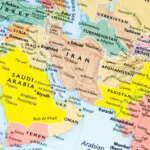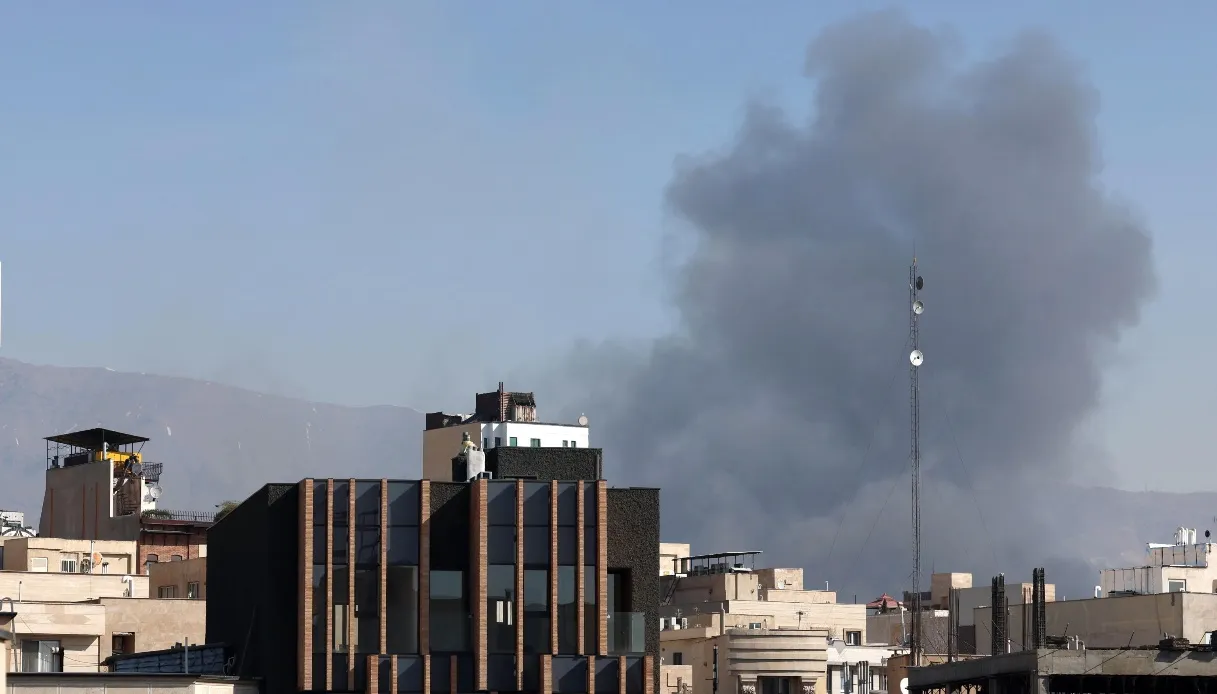
Any prolonged disruption to export facilities, energy infrastructure, or the Strait of Hormuz itself, combined with increased regional instability, increases the risk of a negative supply-side shock. This could result in higher oil and natural gas prices, with potential global economic, fiscal and even political implications. This is what emerges from the report by Alvise Lennkh-Yunus, Sovereigns and Public Sector of Scope Ratings.
Middle East: sovereign credit implications contained
Among the four largest EU economies, Italy (BBB+/Positive), Spain (A/Positive) and Germany (AAA/Stable) have similar exposures, given their energy mixes and intensities, while France (AA-/Negative), with its large fleet of nuclear power plants, is less exposed to the potential implications of this shock.
The report also notes that Europe is particularly vulnerable due to fossil fuel energy imports, particularly LNG
but energy dependence remains crucial
Europe’s energy sources are also more diversified than at the start of Russia’s war in Ukraine, while inflation was close to the ECB’s target of 1.9% in February 2026. Against this backdrop, gas prices (TTF) are unlikely to return to their previous high levels in 2022, when they averaged 133 EUR/MWh, triple the 36 EUR/MWh average in 2025. However, the persistence of high gas prices (TTF close to 50 EUR/MWh) and oil (around 100 USD/bbl) could however have macroeconomic implications.
the Scope Ratings view
A prolonged conflict – explains the expert – could also lead to an increase in military spending and further accentuate fiscal tensions at a time of uncertainty over tariff revenues. Political risks could also increase. Public support for the war remains low, and U.S. military operations lasting more than 60 days require congressional approval.