Super El Niño, the enormous heat bubble forming in the heart of the equatorial Pacific Ocean, may seem like a very distant phenomenon. Unfortunately, however, it will have direct repercussions on our daily temperatures and prices in our supermarkets.
The data collected by the main meteorology analysts converge towards a single indication. This year’s El Niño will be warmer than last year’s, and we will discount its effects until 2028.
What is El Niño
The sweetness of the Spanish language makes us imagine him as a restless child but he is more like a sleeping child. It is not a tornado, nor a bubble of warm water, but a temporary calm situation in the heart of the Pacific. In the largest ocean on Earth, the trade winds generally push warm waters towards Indonesia and cold waters towards America. When these winds stop blowing, the warm waters flow back eastwards, along the coasts of South America, blocking the rise of the cold waters from the heart of the sea.
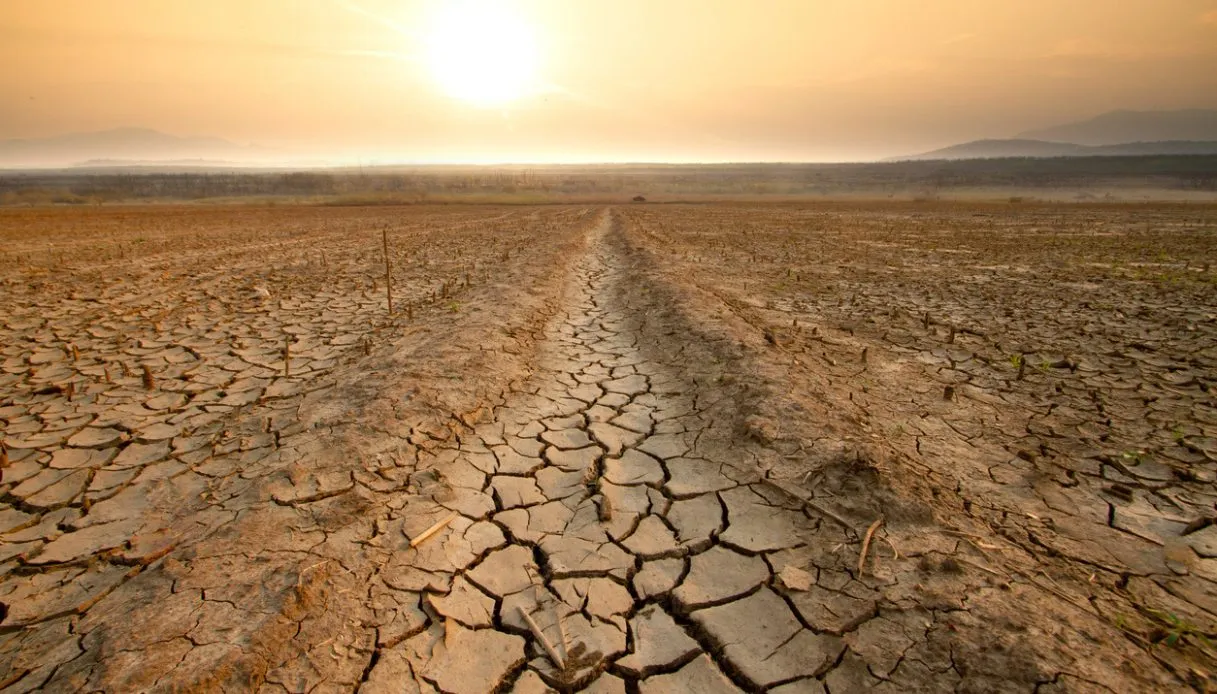
At that point the infant becomes a rascal: where before it rained, in Asia, drought arrives, and where there was sun, in South America, floods arrive. A mischievous exchange of a few days has a certain effect, but mercilessly dehydrating or flooding crop fields for weeks means damaging crops irreparably.
But that’s not the only effect caused by Super El Niño. If it is particularly virulent in the summer, it also gives instability to the Arctic polar vortex, which will tend to disperse the cold even over the medium latitudes.
How temperatures affect prices
The combined calculations of the American, European and Australian temperature monitoring centers are in agreement: sea temperatures will exceed seasonal average values by 3°C or 4°C. An anomaly that had not been recorded since 1870. Therefore a Super El Niño capable of having very destabilizing effects. Monsoons in India could be drier and South America will be hit with unseasonal torrential rains, which will damage crops of wheat, rice, sugarcane, coffee and palm oil.
Putting together the numbers of meteorological and economic analyzes we obtain a rather worrying picture:
| Analyst | Estimate of the economic impact |
| Noaa | 63% probability of anomalies above +2°C by the end of the year |
| Goldman Sachs | Estimated increase of 15.8% in global prices of agricultural raw materials and 1.3% in food inflation in the Eurozone |
| Resilience | Risk of a 14.3% decline in global agricultural production, with peaks ranging from 50 to 100% for goods such as rice, sugar and coffee |
| Unicredit | Alarm about the return of Climateflation, with the need for central banks to maintain high interest rates |
The shock to retail prices will not be immediate, but progressive. Obviously these are medium and long term projections and subject to a degree of unpredictability. But the effects of the climate crisis are there for all to see and it is hard to imagine that they cannot be realized, at least in part.
The repercussions on Italian productions
To pay the costs of the calm in the center of the Pacific Ocean there are several excellent Italian productions.
First of all, the Parmigiano Reggiano supply chain. Extreme and continuous temperatures like those we have been enduring in recent weeks have direct repercussions on the productivity of dairy cows, which produce up to 10% less. Not to mention the management costs for nebulisation, ventilation and air conditioning of dairy production.
Shellfish farming in the Po Delta is also a concern. In the Scardovari and Goro pockets the waters have reached the critical threshold of 32°C, causing anoxia and algal blooms which increase the acidity of the water. The alteration of the habitat of mussels and clams can generate direct damage to the sector estimated at around 200 million euros in a year.
How to adapt
During the next few weeks it will be clearer whether the trade winds will blow again. If El Niño decides that the wind bothers it, the governments of all countries will have to plan structural adaptation strategies. The aim is not only to avoid raising the prices of consumer goods too much in this part of the world, but also to avoid famines in countries where the direct effects of El Niño will be more severe. A long, sustained summer calm will be felt in unexpected ways well into winter. There is little consolation for skiers, who could find more snow at low altitudes as early as November.