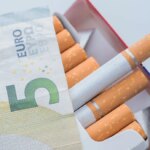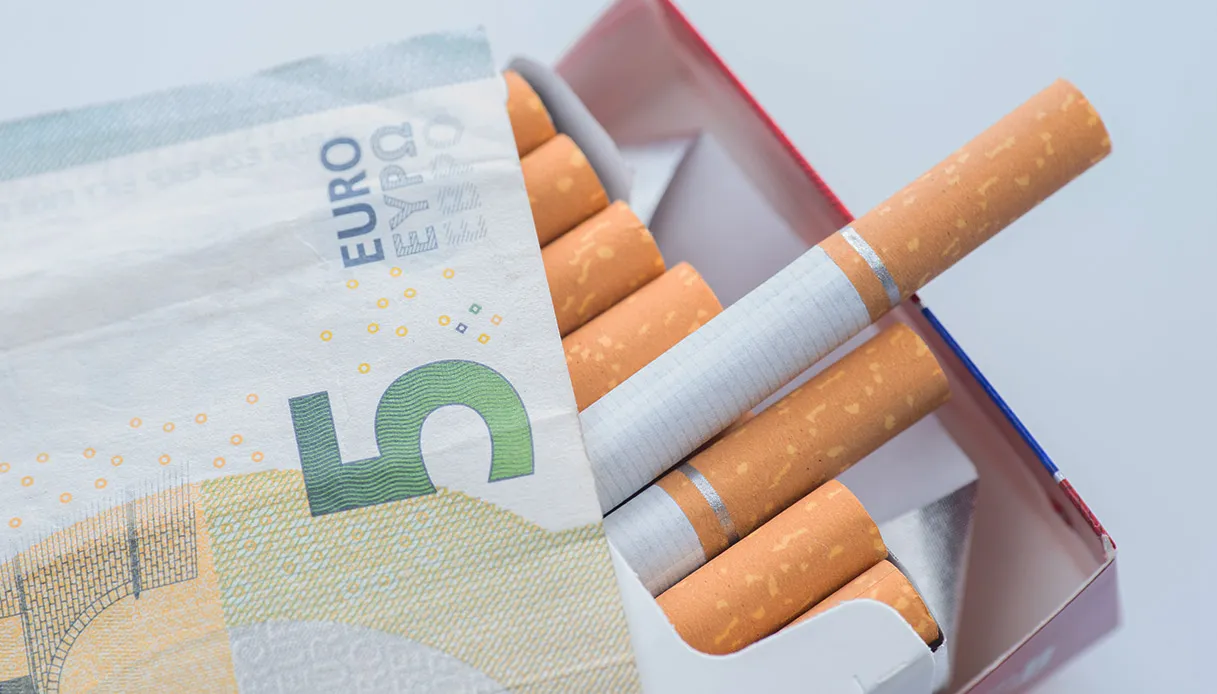
The challenge is certainly important and has a dual objective: on the one hand it aims to combat smoking and the damage caused by cigarette smoke (and not only) to the body, which translates into an increased risk for various forms of cancer, first and foremost lung cancer, and on the other it aims to find resources for the National Health Service.
Health and economy, therefore, go hand in hand thanks to the “5eurocontroilfumo.it” campaign, the first of its kind ever carried out in Italy. The initiative was presented in Milan and is promoted by AIOM (Italian Association of Medical Oncology), AIRC Foundation for cancer research, Umberto Veronesi Foundation and AIOM Foundation.
How to join
The collection of signatures has begun. The objective is to arrive at a popular initiative bill to increase the cost of all nicotine smoking and inhalation products by 5 euros, including new generation ones (electronic cigarettes and heated tobacco). All adult citizens can sign by going to the Ministry of Justice platform and using the SPID, the CIE (Electronic Identity Card) or the CNS (National Services Card). 50,000 signatures are needed to present the bill to Parliament, which will then have to debate the bill. The primary objective is to combat smoking. Furthermore, this public health initiative helps raise resources for the National Health Service.
How much smoking “weighs”.
Cigarette smoking is the main oncological risk factor. 27% of all cancer cases are caused by the smoking habit, which accounts for 93,000 deaths every year in Italy. For every week of smoking, a smoker loses one day of life. A terrible human cost, with a dramatic social impact and on the sustainability of the National Health Service. In our country alone, the pathologies caused by this habit generate direct and indirect costs equal to 26 billion euros. For all these reasons, explains Francesco Perrone, President of the AIOM Foundation,
“We ask all citizens to sign and join this campaign, which represents a battle of civilization. It is estimated that the 5 euro increase in the price of cigarettes in Italy, which today is among the lowest in Europe, could lead to a 37% decrease in consumption. In this way, we will be able to reduce the number of smokers, saving lives. Secondly, the increased revenue will help finance the National Health Service, on whose efficiency the health of millions of citizens depends”.
Even women at risk
Giulia Veronesi, member of the Anti-Smoking Committee of the Umberto Veronesi Foundation, is on the same wavelength.
“90% of cases of lung cancer are caused by smoking, equal to over 40 thousand diagnoses every year in Italy. The smoking habit has historically been the prerogative of men but in recent years there has been an increase among women. Today, in our country, 20% of the female population is a smoker. New diagnoses of this neoplasm in men have decreased, but among women they have increased”.
If it is true that between 2003 and 2017 the incidence of lung cancer in men decreased by 16.7%, while in women it increased by 84.3%, in short, there is still a lot to do. There are at least 27 smoking-related diseases, including non-neoplastic respiratory diseases, such as chronic obstructive pulmonary disease. Smoking is also one of the most important cardiovascular risk factors.
The commitment of the AIRC Foundation
Lung cancer is the main cause of cancer death in both sexes in European Union countries, as highlighted by a recent epidemiological study supported by AIRC.
“The results of the work confirm that tobacco control remains the pillar of prevention for this pathology and contributes to reducing the incidence of other tumors, such as pancreatic cancer”
underlines Daniele Finocchiaro, CEO of the AIRC Foundation.
“In order to present the popular initiative law proposal to the President of one of the two branches of Parliament, the signatures of at least 50,000 people are required. For this reason we believe it is essential to have a collective mobilization with the involvement of scientific societies, patient associations and the civil community. We hope that the institutions at the highest levels will also be sensitive to a topic so relevant for public health and recognize the urgency of a law that allows the prevention of smoking-related diseases, especially cancer, because investing in prevention means investing in the future of the country”.