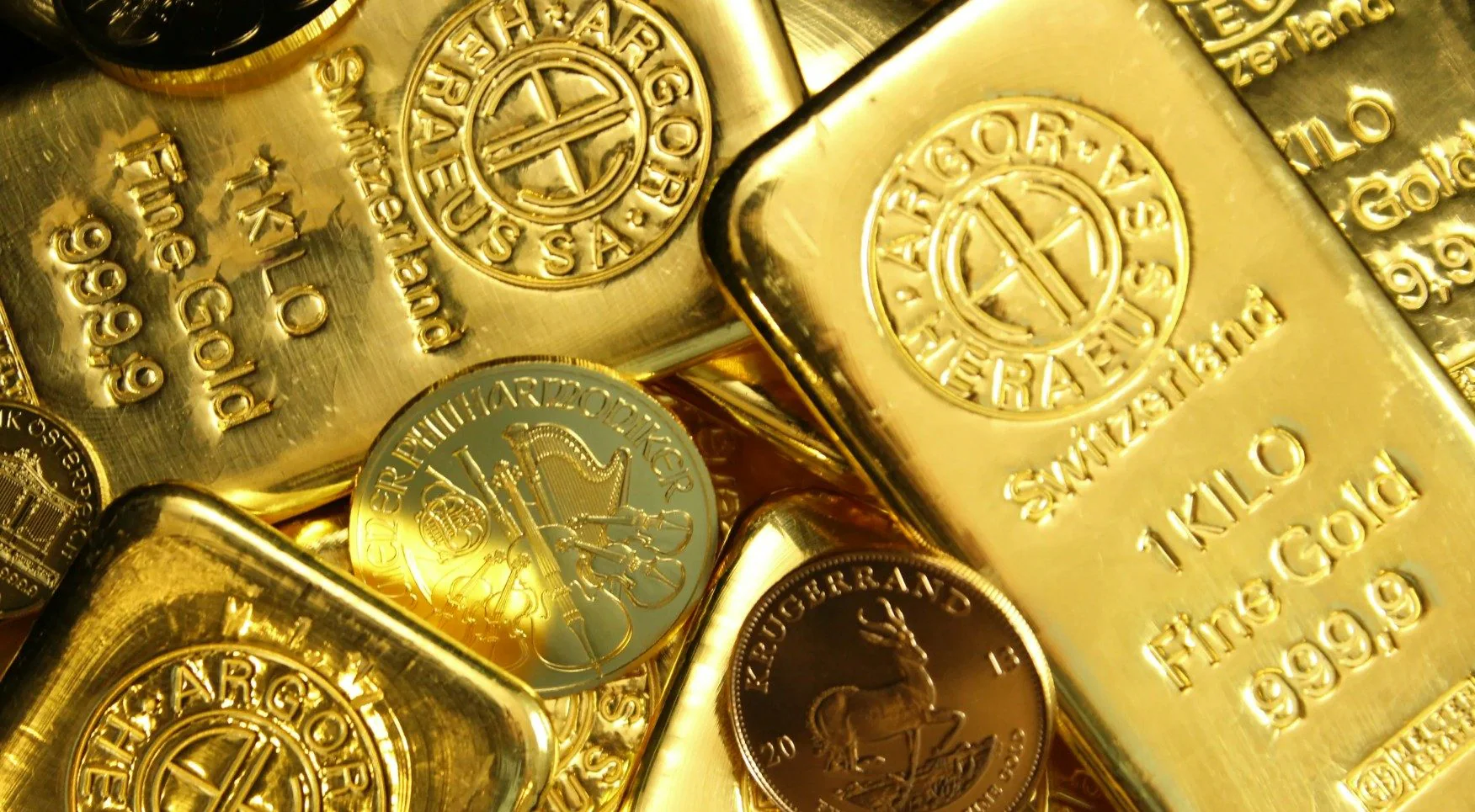
It is well known that gold is the safe haven par excellence. When international events worsen, the price of the precious metal rises. In 2025, gold is up nearly 70%. An increase that has shattered historical records one after another, pushing the price to around 5,600 dollars an ounce at the beginning of 2026. Driving the race: geopolitical instability, persistent inflation, growing distrust towards the traditional financial system.
On the morning of March 23, 2026, however, the price of gold fell by 10.6% in a few hours to reach $4,152 per ounce — the lowest level in the last four months. It is the fourth consecutive week of declines, with a monthly loss close to 20%. But why does this happen?
Because the price of gold is going down right now
THE’escalation military in the Middle East, rather than supporting prices as one would expect, is having the opposite effect. Daniel Marburger, CEO of StoneX Bullion heard from Milan Financeidentifies three mechanisms at play.
The first concerns oil. The conflict has blocked the Strait of Hormuz, one of the obligatory passages for the transport of crude oil in the world: less supply means higher prices. The markets see it as an inflationary threat, that is, a generalized increase in prices that erodes the purchasing power of families and businesses. This changes expectations about Federal Reserve (Fed), the United States central bank that decides the cost of money for the entire financial system: when inflation rises, the Fed raises interest rates to curb spending and cool prices. However, higher rates make a less attractive assets like gold, which does not generate returns.
The second factor is the dollar. When markets expect high rates in the United States, capital moves towards US government bonds, which become more profitable. Demand for dollars increases, the currency strengthens. And when the dollar appreciates, the price of gold — denominated in dollars — tends to fall: it costs more for those who buy in other currencies, so demand drops. It should be added that the United States is a major producer of oil and gas: the increase in the price of fossil fuels further strengthens their position, and with it the currency.
The third is more technical, but no less important. In moments of great tension, large institutional operators need immediate liquidity. Gold is one of the assets easier to sell quickly. It’s not that it has lost intrinsic value: you need cash, and the ingot is the quickest way to get it.
How one sale begets another
It is in this context that the spiral is triggered. After the peak at the end of January, when many investors cashed in on the gains accumulated in the previous months, the price began to fall. At that point the mechanisms were triggered stop-loss: Automatic sell orders programmed to activate when the price drops below a certain threshold. The more the price drops, the more orders are activated, the more the price drops further.
Added to this are outflows from gold-linked ETFs — funds that track the price of the metal and which, when investors exit, are forced to sell their reserves. This also contributes to pushing prices downwards. It is not a structural collapse, analysts warn: it is a phase of strong volatility, fueled by automatic mechanisms that chase each other.
The issue of inflation that could reverse the decline
However, there is a variable that could reverse the scenario. If the war in Iran were to fuel persistent inflation through energy prices, central banks would find themselves in a difficult position: high rates to keep prices down, but the economy already under pressure. In such a scenario, real rates — that is, the difference between nominal rates and actual inflation — could fall. And when real rates fall, gold tends to catch up. It’s not a paradox: it’s the logic with which this market has worked for decades.
Other precious metals also fall in price
The collapse isn’t just about bullion. Silver, which had gained almost 150% in 2025, lost more than 8% on the spot market and more than 11% on contracts future (i.e. agreements and regulations that oblige the sale of a good at a certain price with delivery at a future date). Platinum, which rose 125% last year, is down more than 10%. Palladium loses almost 7%.
They are all metals coming off an exceptional year. The correction, in part, was expected. The speed with which it arrived, a little less.