Prevention, early diagnosis and better access to treatment. These are the strategies to limit new cancer cases, which across the globe have more than doubled since 1990, reaching 18.5 million in 2023. Over the same period, annual cancer deaths have increased by 74%, with the majority of cases now occurring in low- and middle-income countries. More than 40% of cancer deaths globally are linked to 44 modifiable risk factors, including tobacco use, poor diet and high blood sugar.
Future analyzes say global cancer cases will increase by 61% over the next 25 years, reaching 30.5 million new diagnoses per year by 2050. And annual cancer deaths are expected to increase by nearly 75%, reaching 18.6 million, largely due to population growth and an aging population. These figures, taken from the report Cancer Collaborators of the Global Burden of Disease Studypublished in The Lancet, demonstrate how much and how a global effort is needed to address the situation, considering that although age-adjusted cancer mortality rates have decreased worldwide, this progress has not reached everyone. In this sense, returning to Italy, everyone must do their part.
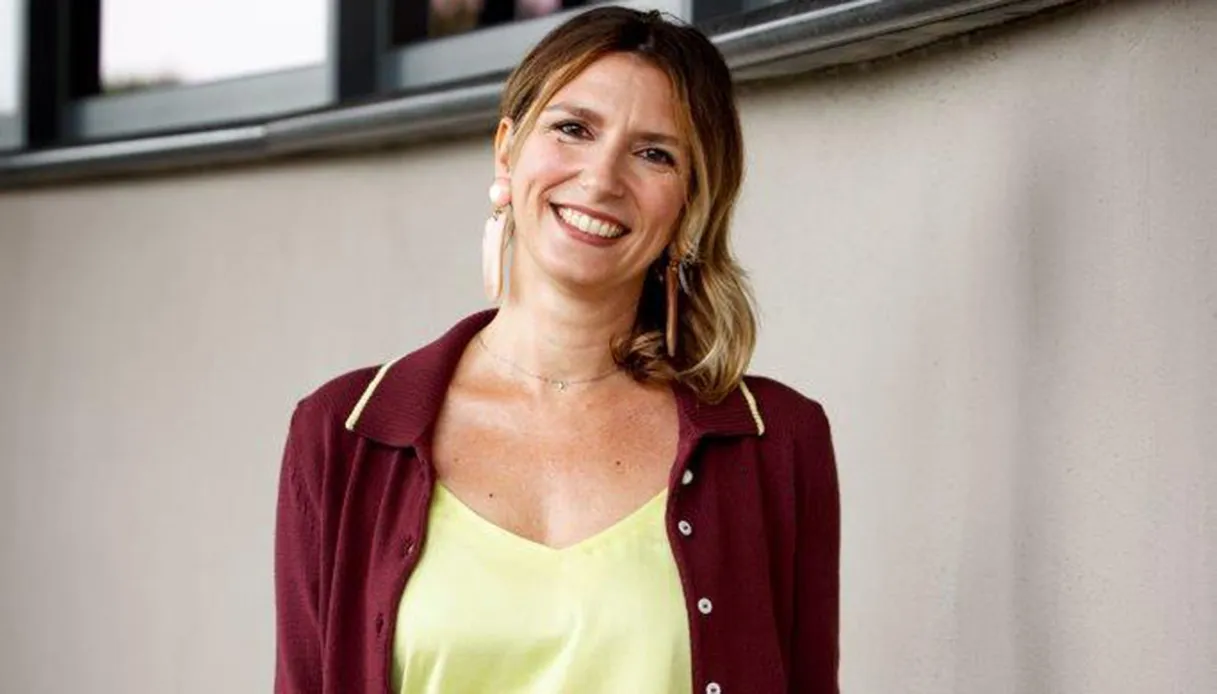
And this is precisely the commitment of Maria Cristina Leone, Business Unit Director Oncology of Merck Italia, who thus describes the challenges to be faced and the objectives to be achieved.
A path in Pharma
Having arrived at Merck in April 2024, two and a half years ago, in the role of Business Unit Director for the Neurology area, Leona has had a professional development that has led her to work in several important pharmaceutical companies such as Celgene, AstraZeneca and Novartis in various therapeutic fields, such as onco-hematology, immunology and cardiology. In the area of multiple sclerosis, at Merck we went beyond the numbers, working with teams we worked intensely on the mindset, on the evolution of company roles, expanding skills to face an increasingly complex and volatile market. All with a clear approach: knowing where you want to get to and building the path together with people, including them, listening to them actively and working on real needs to remain competitive.
The prospects of oncology
For Leone, taking over the helm of the Oncology Business Unit is both a privilege and a great responsibility.
“In this sense, I will have the opportunity to contribute to the management of a public health priority that I have always felt deeply close to. 2026 is already full of significant challenges and opportunities, which we intend to face and pursue by promoting the importance of a personalized therapeutic approach based on listening to the patient. Oncology is a sector that moves at great speed. The main challenge for Merck – but I would say for the entire pharmaceutical sector – is to stay in step with the times: not to be overwhelmed by change, but to lead it. This is a fundamental principle for me. It means being very prepared, more than was necessary in the past, at all levels of the organization. Not being overwhelmed by change also means not giving in to the uncertainty or fear that complex situations can generate. Together, we can make a difference.”
The company’s contribution
Merck today has an important portfolio in the oncology sector: three products dedicated to metastatic cancer covering five different therapeutic areas. This means operating in five different worlds, each with its own specificities. What Merck can bring is the vision of an agile company, which truly puts the patient at the center.
“As evidence of this, we signed a Manifesto for oncology treatments in 2025. We believe it is essential to listen not only to doctors, but also to patients and institutions. I believe that Merck can offer a 360-degree vision in oncology: not limiting itself to pharmacological treatment, but considering all the needs of patients and caregivers in the five therapeutic areas in which we operate”
concludes Leone.