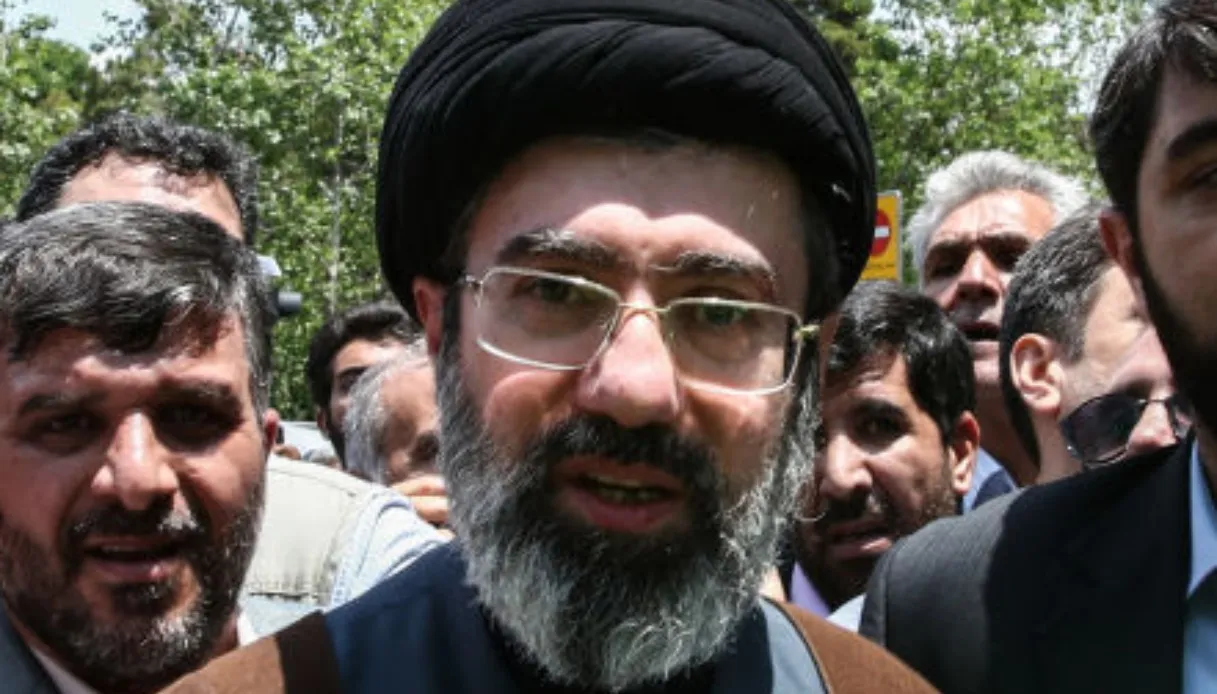
Over the weekend, US and Israeli air strikes against Iran have reignited tensions in one of the most sensitive areas for global energy and financial balances. From the point of view of markets and portfolio management, however, the experience of recent years suggests caution in drawing hasty conclusions: geopolitical shocks often tend to have a less lasting impact than initially feared.
Middle East: investors focus remains on fundamentals
He underlines it Richard Flax, Chief Investment Officer of Moneyfarm explaining that the investors, on several occasions, have demonstrated the ability to look beyond the background noise, maintaining attention on macroeconomic fundamentals and avoiding impulsive market timing choices. Even in this phase, a similar behavior is observed, although with a physiological under-performance of the riskiest assets, more exposed to the increase in uncertainty.
The Moneyfarm view
This does not mean that the prospects remain complex. The United States’ declared objective of promoting regime change in Iran raises important questions: it is not clear how realistic this outcome is nor what the timing might be. The two key variables, as often happens, are the duration of the conflict and its possible extension. We believe the conflict could last longer than similar episodes in the past, perhaps even beyond the twelve days of the confrontation between Israel and Iran in June 2025. A longer duration would increase the risk of more tangible effects on the global economy, impacting confidence, investment and energy dynamics. On a geographical level, tensions have already involved several countries in the region, including Saudi Arabia and the United Arab Emirates, as well as some actions recorded in Cyprus, although so far no direct and significant involvement of other great powers, in particular Russia and China, has been observed.
We maintain an overall confident view on the solidity of our multi-asset portfolios, built with a broad diversification by geographical areas, currencies and asset classes, explains the expert, underlining that government bonds, both nominal and indexed to inflation, should continue to play a stabilizing role, in particular in medium-low risk profiles, also thanks to initial yields that are now more interesting than in the recent past.
constantly evolving situation
Finally, in portfolios that include commodities, this exposure can offer an additional level of diversification in a scenario characterized by energy tensions. Looking ahead, we believe we have room to increase equity exposure should deeper corrections occur. At the moment, however, index movements remain relatively limited and have not yet created sufficiently attractive intervention opportunities. The situation remains constantly evolving and the hope is that a diplomatic solution will be reached quickly, in the meantime we will continue to carefully monitor markets and portfolios