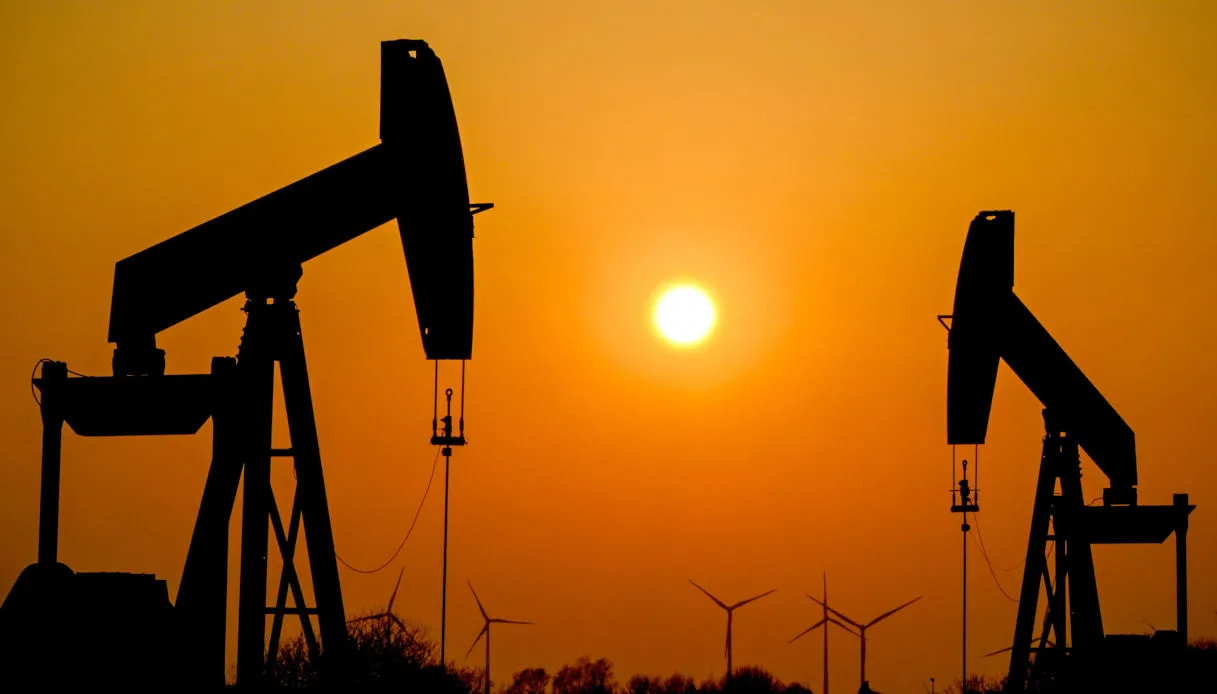
The energy crisis caused by the war in the Middle East has accelerated the adoption of political measures. Governments in developed markets have primarily focused on protecting consumers from price increases, using subsidies and price caps, just as they did in 2022. This was highlighted by George Cotton, portfolio manager of J. Safra Sarasin’s JSS Transition Enhanced Commodities fund.
Global energy shock
Increases in energy prices – explains the expert – usually influence the outcome of elections. Long-term planning for energy security generally extends beyond the election cycle, pushing consumers to adapt even in the absence of political interventions. In the wake of the latest energy crisis, LNG (liquefied natural gas) shortages have caused rolling blackouts across Pakistan. This has resulted in severe political instability and economic insecurity. In response, consumers have taken matters into their own hands, sparking a boom in rooftop solar installations. This phenomenon has grown to such an extent that major commercial coal-fired power generation projects have been shelved due to declining net electricity sales.
how market structures and strategies change
This crisis, if it continues, is likely to lead to equally widespread adoption of solar in Asia. This comes at a time when China’s policy to counteract devolution has begun to limit excess PV production. Similarly, affordable plug-in hybrid vehicles and extended-range electric vehicles, primarily from China, will likely see accelerated deployment in emerging and developed markets. This shift could surpass the levels of adoption that battery electric vehicles failed to reach during the last crisis. The reason why electricity grids continue to lack reliability and continuity in many emerging countries is that plug-in hybrid vehicles offer significant flexibility that did not exist before.
the view by J. Safra Sarasin
In the traditional energy sector, North American producers have been slow to fill the void left by the Middle East, not due to a lack of reserves, but rather due to a shortage of transportation and distribution capacity. Oil production from shale fields results in the generation of excess natural gas that must be harvested, as its flaring is subject to severe restrictions. Additionally, it produces significant amounts of toxic wastewater that requires safe disposal. As a result, increasing oil production in the United States will likely take an inordinately long time and involve large capital expenditures. Outside the continental United States, producers in South America and Asia are returning their attention to offshore oil and gas. This long-neglected segment has returned to the spotlight as higher, longer-term oil prices have shifted the economic balance.