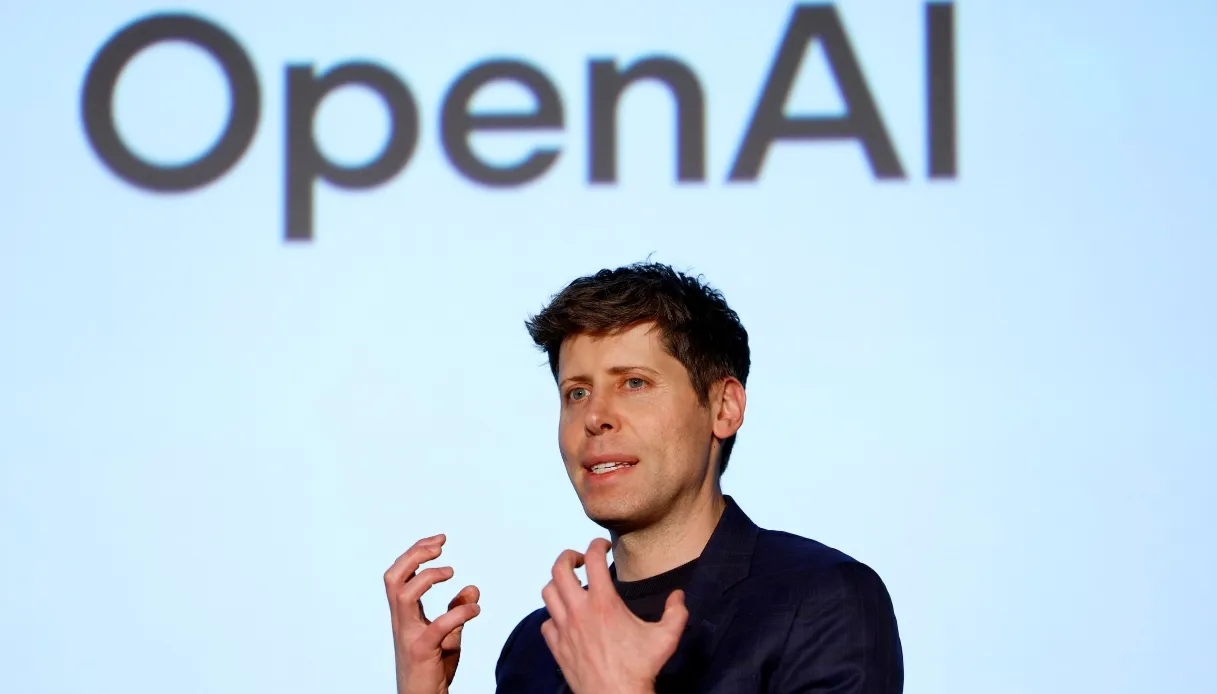
OpenAI’s highly anticipated debut on Wall Street by the end of 2026 seems to have definitively faded away. According to recent rumors, the tech company led by Sam Altman is seriously considering postpone the IPO to 2027.
Although the company filed a confidential prospectus with regulators this month, Altman has cooled his enthusiasm, rejecting the possibility of an early debut at a reduced price and deciding to wait for the ideal moment to hit the market with his real target: a monstrous valuation of 1,000 billion of dollars.
The decision, however, is not an isolated one and is linked to a mix of strategic prudence and market shocks. The decisive wake-up call came from another private “colossus”: SpaceX. After an exciting debut in mid-June and a record IPO, which raised over 85 billion dollars, Elon Musk’s aerospace company saw its shares plummet from over 225 dollars reached to 153 dollars in just two weeks. OpenAI and its financial advisors fear the copycat effect and prefer not to expose the company to such volatility at a delicate time.
Shockwaves on the markets
The reaction of investors to the hypothesis of the slide was immediate, rekindling fears about the stability of the so-called “AI trade”the stock rally that has pushed technology prices to record levels in the last two years.
The SoftBank effect
The first illustrious victim of this postponement was the Japanese SoftBank. The conglomerate led by Masayoshi Son, which expects to hold about $65 billion in OpenAI by October, saw its stock fall by more than 12-13% in a single session in Tokyo, posting its worst daily loss in months. Investors had placed strong bets on a short-term return of liquidity which now will not occur.
Earthquake on the semiconductor sector
The uncertainty about the future arrival on the stock market of the generative AI leader has directly affected the hardware companies that power this technology. Chip stocks saw sharp corrections: Arm Holdings And Marvell Technology they lost about 4%; the memory sector has felt the pinch, with Micron (despite the good previous quarterly results) and Western Digital in sharp decline.
Wall Street’s Big Techs in the red
The selling quickly spread to the Nasdaq giants. Apple suffered a decline of more than 6%, Microsoft (OpenAI’s historic partner) lost more than 3.4%, and Amazon also closed in negative territory. Investment banks such as Goldman Sachs and Morgan Stanley have also suffered losses, seeing the rich commissions linked to the largest listing in recent history disappear – at least for now.
Analysts’ opinion: For many experts this is a physiological “rebalancing” (rebalancing of portfolios) at the end of the quarter. The fundamentals of chip manufacturers remain solid, but OpenAI’s move shows that even those who led the technological revolution prefer to slow down to avoid being overwhelmed by volatility. The gold rush of artificial intelligence does not stop, but from today it requires much more caution.