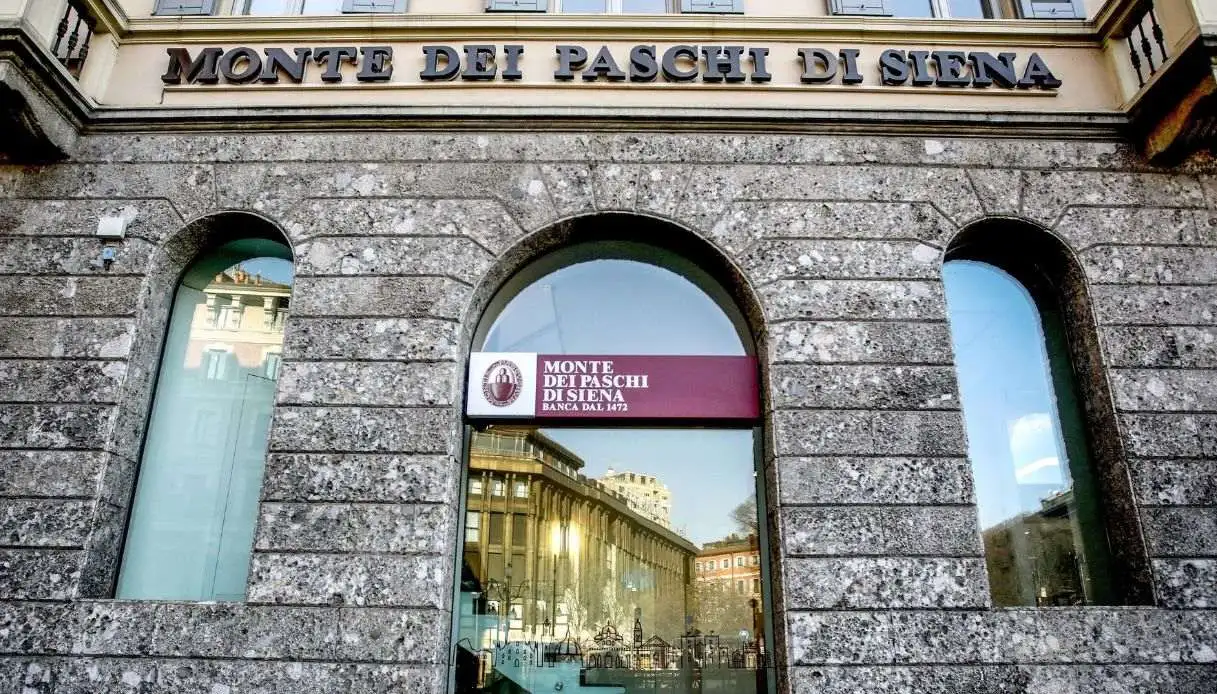
The European Central Bank has given the green light to the merger by incorporation of Mediobanca into Monte dei Paschi di Sine (Mps). The transition, however, does not yet coincide with the definitive conclusion of the operation, because the merger will also have to be subjected to the formal approval of MPS shareholders. The meeting is called for 29 October 2026, after which the various operational phases necessary to integrate the two entities can be started.
The issue directly affects millions of banking relationships, but also savers, businesses, investors and private banking customers.
MPS – Mediobanca merger, what changes for customers
On Thursday 3 September the Sienese Institute announced that it had received the necessary authorizations not only for the merger, but also for the other corporate reorganization operations envisaged by the project. For customers, the announcement of the operation and the ECB’s authorization do not immediately imply changes to the banking services used every day.
So:
- those who have an account with MPS can continue to use it together with payment cards, home banking and other services in the usual ways. The same goes for Mediobanca customers, who do not have to change their operating habits immediately;
- mortgages, loans, financing and lines of credit continue to be governed by the conditions set out in the respective contracts. The start of the merger process does not automatically mean that a Mediobanca mortgage will be transformed into an MPS product or that rates, maturities or repayment methods will change overnight;
- for activities carried out through branches and for those carried out through digital services, until the integration is achieved, customers will continue to refer to their respective institutions and usual channels.
Only once the merger has taken place will the IT systems, operating procedures, product range, digital applications and territorial network be unified. And at this point it may be necessary, for example:
- standardize and modify home banking platforms;
- integrate applications;
- rationalize branches;
- transfer certain services from one channel to another.
Mortgages and financing: what can happen
Obviously, the merger does not automatically lead to the cancellation or renegotiation of existing mortgage and loan agreements. A customer who has taken out a loan will continue to be bound to the contractual conditions envisaged.
In a subsequent phase, however, the integration of the banks could lead to greater harmonization of the commercial offer. This could mean, over time, a review of the range of products available or a different way of managing relationships.
In fact, MPS has a significant presence in the retail market, families, professionals and businesses. Mediobanca, on the other hand, has a strong specialization in services intended for corporate customers, investors and asset management.
It will therefore be important for the customer to distinguish between the conditions of the contract already signed and any new commercial offers. The birth of a new, larger banking entity does not necessarily imply having to accept new products or modify existing ones. Furthermore, to date it is not yet possible to establish what they will be.
The integration could lead to a harmonization of some products, services and economic conditions, but it will be necessary to wait for decisions following the approval of the merger.