The world’s wealth continues to be concentrated in a relatively small number of people and countries. According to the World ultra wealth report published by Altrata (a leading global company in the analysis of data on large assets), the large global financial centers still dominate, but by 2030 the geographical distribution of millionaires is destined to evolve and change.
How many super rich people are there in the world?
From recent data published by Altrata:
- the number of people with assets over $30 million increased by 14.4% in just one year, reaching 556,850;
- the group of people with at least 100 million dollars in 2025 was made up of around 117 thousand subjects, almost double compared to the around 60 thousand recorded ten years earlier.
This growth was mainly driven by two factors:
- on the one hand the solid performance of the financial markets, which has revalued shareholdings and investments;
- on the other, the accumulation of new fortunes in the sectors of economic transition, driven by technological innovation, artificial intelligence, energy and digital infrastructures.
Overall, the assets of this global elite amount to approximately 63,800 billion dollars.
The ranking of the richest countries
Among the countries with the largest number of rich people there are:
- the United States, which in 2025 took first place in the ranking with 206,880 people boasting assets exceeding 30 million dollars (and a huge gap compared to the others);
- China, in second place with 55,490 super rich;
- Germany occupies third position with 28,330 super rich people.
They follow:
- Japan with 22,435 super rich;
- United Kingdom with 20,495 super rich;
- Hong Kong with 18,290 super rich;
- Canada with 17,590 super rich;
- France with 15,540 super rich;
- Italy with 12,905 super rich;
- India with 11,275 super rich.
Italy ranks in the top ten in the world. Compared to 2024, the number has increased by 13%, while the total assets attributable to this population group reaches approximately 1,400 billion dollars. While India entered the ranking for the first time, and Switzerland and Russia left it.
If instead of individual countries we consider large geographical areas:
- North America has a total of 224,470 super rich people, with a growth of 15% compared to 2024;
- in second place is Asia, with 141,890;
- while Europe stops at 140,140.
The other areas of the world are much further away:
- Middle East, with approximately 22,880 Uhnw;
- Latin America and the Caribbean with 16,400 Uhnw;
- Pacific and Africa which reach a total of 7,630 Uhnw.
The cities where the rich live
Moving from country data to individual city data:
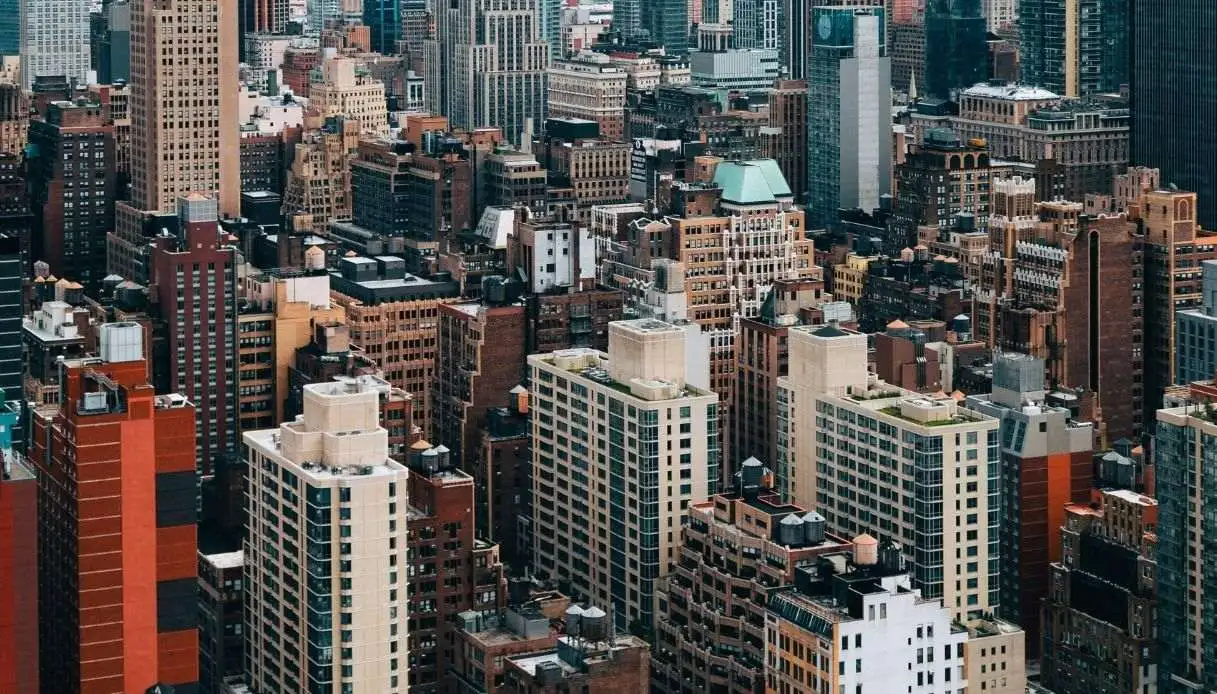
- New York is the world capital of the super rich, with 23,785 people with assets exceeding 30 million dollars;
- Hong Kong is in second place reaching 18,290;
- Los Angeles reaches third place with 12,995.
The ranking continues with:
- San Francisco: 9,210;
- Chicago: 8,375;
- Tokyo: 7,900;
- London: 7,830;
- Dallas: 7,270;
- Washington: 7,190;
- Houston: 6,555;
- Boston: 6,340;
- Seoul: 6,220.
Even just by giving a quick read of the data, the most obvious fact is the American presence. In fact, eight of the top twelve cities in the world by number of super rich people are located in the United States.
Hong Kong, on the other hand, stands out above all for the speed with which it is growing. In 2025 the number of Uhnw increased by 26%, also thanks to the arrival of large fortunes from abroad, especially from other Asian countries.
Super rich on the rise: forecasts from now to 2030
In the next 4 years, projections indicate that the number of ultra-rich could reach 746,570 people, almost 190 thousand more in 2030 compared to 2025. The overall value of assets is also expected to increase, reaching around 85,000 billion dollars.
Supporting this new phase of growth will be above all the sectors linked to the development of new technologies, with artificial intelligence as the protagonist, which could further accelerate the birth of large businesses and assets. Added to these are private capital, the energy transition and the development of digital infrastructures, destined to change the future geography of wealth, no longer determined only by traditional financial centers, but also by cities that manage to attract capital, innovation and technological companies.