INWIT could leave Piazza Affari eleven years after the listing. Ardian and Oak Holdings 1, the two largest shareholders of the Italian telecommunications tower company, are apparently seeking the necessary financing from banks to purchase the shares held by minority investors.
The objective under study would be a “take private”: acquiring the remaining shares and leading to the possible delisting, i.e. the withdrawal of the stock from the stock exchange. Mubadala, Abu Dhabi’s sovereign wealth fund, could also participate in the operation.
At the moment, however, there is no formal offer, price or final decision. INWIT said it had no information on the deal, while Ardian, KKR, Vodafone, Global Infrastructure Partners and Mubadala did not comment. The project is credible and has already reached the funding search stage, but it remains a hypothesis.
Who controls INWIT and how long until delisting
Ardian controls approximately 32% of INWIT, while Oak Holdings owns approximately 39%. The second includes Global Infrastructure Partners, which entered the BlackRock orbit, Vodafone and KKR. Together, the two shareholders therefore reach around 71% of the capital.
| Element | Current situation | Because it matters |
|---|---|---|
| Ardian share | About 32% | He is the first potential promoter of the operation |
| Share of Oak Holdings | About 39% | Brings together GIP, Vodafone and KKR |
| Overall participation | About 71% | A significant portion of the capital remains to be purchased |
| Market value | Approximately 6.3 billion euros | Determines the financial dimension of the operation |
| Trend in one year | Approximately -27% | The discount may have made the purchase more convenient |
| Possible new investor | Mubadala | It could provide additional capital |
Control of 71% does not automatically lead to exit from the stock exchange. Methods, thresholds and obligations will depend on the structure of the operation and any joint action by the partners. To purchase the remaining shares, a takeover bid may be necessary.
What happens to INWIT shares in the event of a takeover bid
The first effect of an offer is generally the comparison between the proposed price and the price prior to the announcement. If the bidder wants to convince shareholders to sell, he tends to recognize a premium. However, it is not possible to estimate the extent today: the price should reflect the value of the company, debt, industrial prospects and contractual risks.
Those who own shares would not be asked to decide immediately. After the possible publication of the offer, the document with conditions and objectives, the acceptance calendar and the evaluations required by market discipline would arrive.
| Possible development | Consequence for the shareholder |
|---|---|
| No formalized offer | The shares continue to trade normally |
| Takeover bid without delisting | You can join or maintain the title, evaluating conditions and liquidity |
| Exceeding 90% | An obligation to purchase remaining shares may arise if sufficient free float is not restored |
| Achievement of at least 95% | The purchase procedures for the remaining shareholdings may be activated |
| Delisting | The stock ceases to be traded on the regulated market |
Initially rejecting an offer does not necessarily mean you can remain a shareholder indefinitely. If certain thresholds are reached, the right of the remaining investors to sell and, at 95%, the possible “squeeze-out”, i.e. the bidder’s right to buy the remaining shares, come into play.
The real risk for those who do not adhere, when these procedures do not take place immediately, is finding themselves with a much less liquid title. It becomes more difficult to find a buyer and the price can be more volatile.
Why buy INWIT after the drop in the stock market
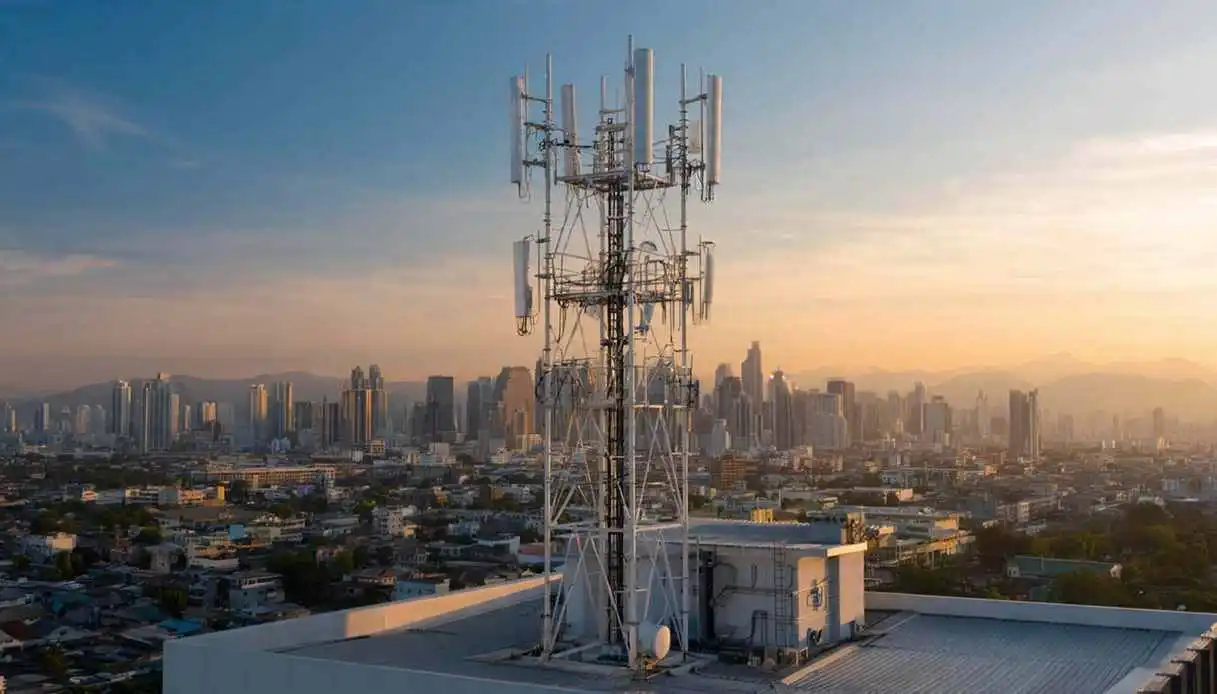
The reduction does not necessarily represent a negative opinion on the value of the infrastructure. INWIT manages approximately 26 thousand towers, more than 850 indoor covers and over 12 thousand units including repeaters and small cells. It is a business that generates revenue through long-term contracts and infrastructure that is difficult to replicate.
The price, however, dropped due to a concrete problem. TIM and Fastweb, the two main customers, have started procedures to interrupt or renegotiate the agreements for the use of the towers. INWIT considers the contracts valid until 2038 and has contested the cancellations.
Furthermore, the company closed the first half of the year with a net financial debt of approximately 5.45 billion euros and a leverage equal to 5.7 times Ebitda. INWIT’s official results as of June 30, 2026 indicate activity in line with guidance, but also a slowdown and greater conflict with key customers.
The offer price will be the decisive data
The possible delisting can be read in two ways. For funds, the drop in valuation represents an opportunity to fully control a strategic infrastructure without having to respond to market expectations every quarter. For minority shareholders, however, everything will depend on the price recognized.
A high premium compared to previous prices would make the exit more attractive. An offer built on values depressed by the litigation could, however, open a discussion on the correct valuation of the company.
Before making decisions, it is therefore not enough to observe the immediate rise or fall of the stock. It will be necessary to verify the existence of the offer, the consideration, the conditions of effectiveness, the required thresholds and the outcome of the dispute with TIM and Fastweb.
For now the market has a project under study, not a takeover bid, but the search for financing marks an important step: the hypothesis of removing INWIT from the stock exchange no longer concerns just generic indiscretions. It begins to have partners, potential capital and a possible financial architecture.