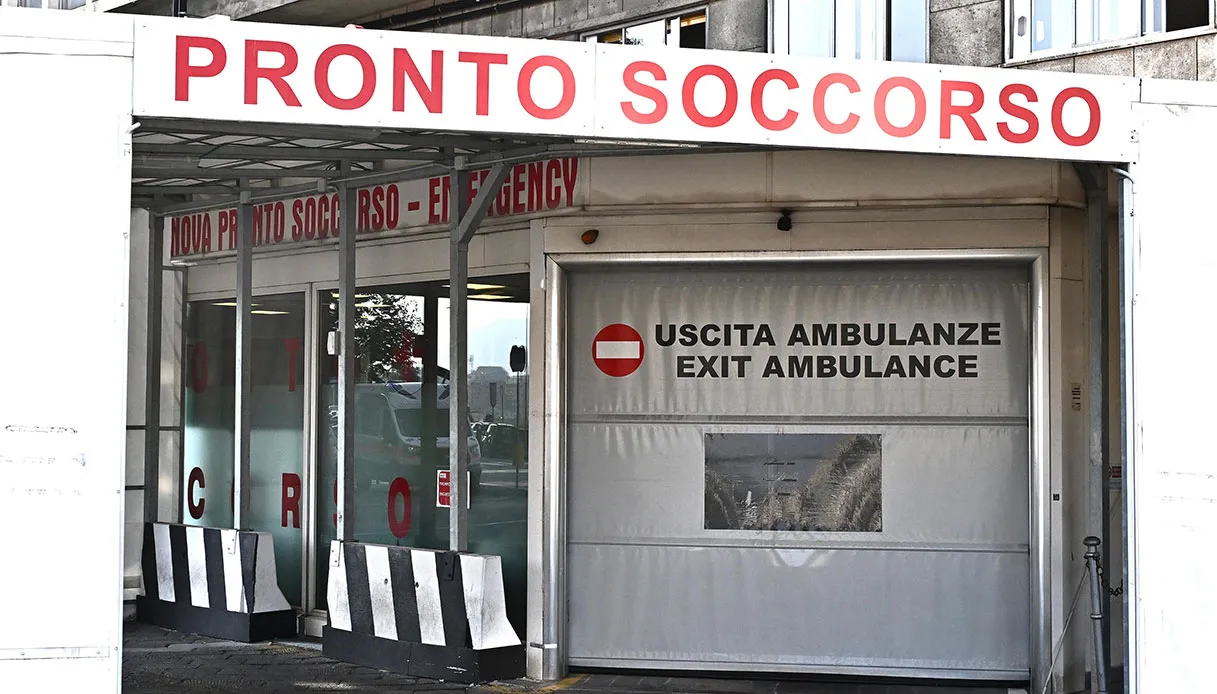
Between 24% and 42.5% of cancer diagnoses arrive within a month of an emergency hospitalization. This is according to a study by the International Cancer Benchmarking Partnership which analyzed over 850,000 cases in 14 geographical areas. Discovering a tumor lesion “by chance” also impacts the risk of death: those who receive the emergency diagnosis also have a higher one-year mortality. Be careful, however, we are talking about information collected in other countries because in Italy the data does not exist: there are no national registers that measure how many oncological diagnoses occur in the emergency room, nor indicators on the times of treatment and the outcomes.
A tailor-made search
To respond to this critical issue, HOPES was born – Harnessing Oncology Pathways in Emergency Settings – the project that aims to transform the emergency room into a structured point of interception of suspected cancer, with two objectives: filling the knowledge gap on the real dimension of the phenomenon in Italy and standardizing the treatment of cancer patients in emergency departments.
HOPES is developed under the scientific guidance of AIOM (Italian Association of Medical Oncology) and SIMEU (Italian Society of Emergency Medicine), with the methodological coordination of Helaglobe. In the treatment of tumors, the emergency room is today an “ungoverned link”. In twenty years, oncology networks have built increasingly complex specialist paths, but those who enter from an emergency often remain outside. Frequently, when a tumor is discovered in the emergency room, it is because the signs of the previous months were not caught in time. The diagnosis thus arrives at the most critical moment, when a more advanced disease, more compromised general conditions and a management that must begin under strong organizational pressure are added. And time matters: a four-week delay in starting therapy increases the risk of death by 6% to 28% depending on the treatments, with values around 6-8% for surgery.
What we know in Italy
The little data available, limited to single areas, indicates that the phenomenon is significant. In the provinces of Milan and Lodi, out of over 10,000 colon cancers diagnosed between 2014 and 2020, 35.6% were discovered after an emergency presentation, compared to 8.4% detected by screening. Emergency diagnosis was associated with higher mortality at both 30 days and one year. In Parma, in ten years, 205 adults with a first diagnosis of brain tumor placed in the emergency room were identified.
Furthermore, the phenomenon does not affect everyone in the same way. Advanced age, economic difficulties, mental disorders and substance use increase the likelihood that a tumor will be discovered in an emergency. In the Milan area, among people with a pre-existing mental disorder, the share rises to 43.8%, compared to 33.8% of other patients.
“Our first objective is to measure emergency oncological diagnoses on a national scale. With HOPES we aim to reconstruct the patient’s journey from access to the emergency room to the start of treatment, starting from three groups of tumors that often occur in emergencies: lung, gastrointestinal system and central nervous system. Not every emergency diagnosis is a missed opportunity: we must distinguish cases in which access is inevitable due to the aggressiveness of the tumor from those linked to care delays”
explains Fabio De Iaco, Director of Emergency Medicine at the Maria Vittoria Hospital in Turin and Past President SIMEU.
According to experts, a turning point is needed on the outgoing path. It is necessary to build a reliable photograph of the phenomenon, from which to define shared paths so that the suspicion of cancer is recognized in time and the patient is accompanied, without interruptions, from the emergency room to oncology; thus avoiding improper hospitalizations for the sole purpose of arriving at the diagnosis and making better use of the resources of the National Health Service.
“When the diagnosis arrives through admission to the emergency room we often find ourselves faced with patients with compromised general conditions, who may not be eligible for standard oncological treatments. It is therefore necessary to carefully evaluate the appropriateness and sustainability of the treatments, considering the overall clinical situation and the therapeutic objectives. Added to this complexity – continues the clinician – is the psychological and relational impact of an often unexpected diagnosis, which also deeply involves family members and caregivers. For this reason it is essential to study the phenomenon in its entirety, considering not only the clinical and organizational data, but also the patients’ point of view”
adds Massimo Di Maio, AIOM President.