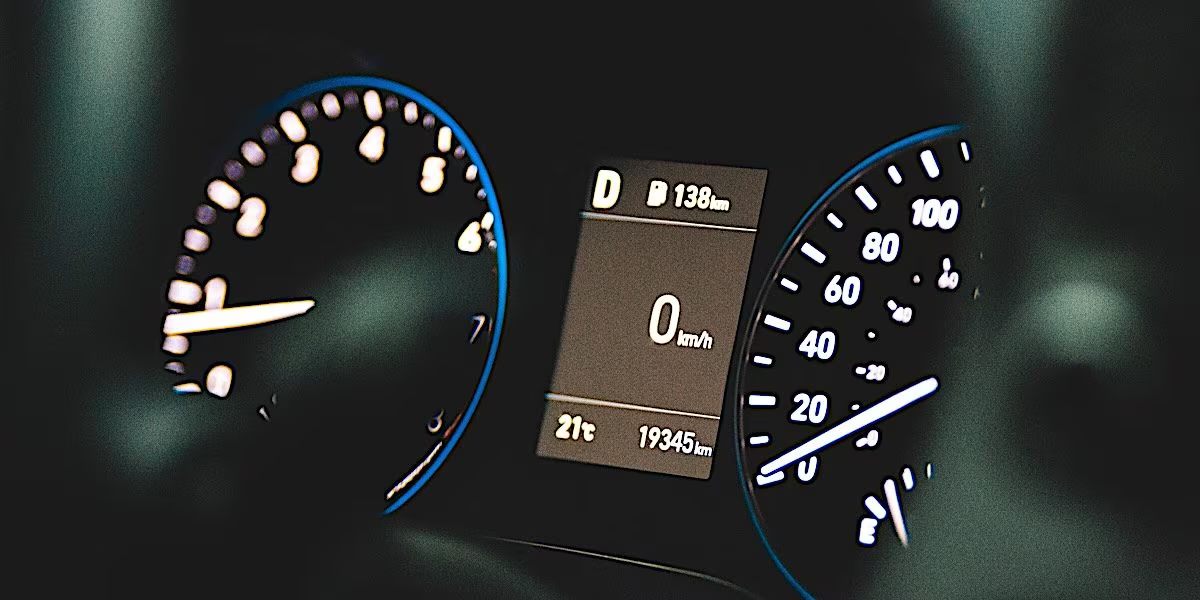
Buying a used car and discovering, months later, that you have the steering wheel of a car from which tens of thousands of kilometers have “disappeared” means finding yourself with a vehicle that has a very different story from that told by its seller. An analysis by carVertical carried out on almost 8,000 European buyers illustrates how widespread the problem of “high mileage” cars is. According to this analysis, in Italy, between September 2024 and August 2025, 2.91% of the cars examined had tampering with the odometer with an average of kilometers deducted by 69,800 per car. In this in-depth analysis we will take a closer look at how scammers scale the odometer, how to notice if a used car has had its odometer adjusted in some way and what to do to assert your rights if you have fallen for the scam.
How do scammers tamper with the odometer
Let’s start with the techniques used by scammers to climb the kilometers. With older cars, equipped with analogue odometers, manipulation can be done by acting directly on the wheels of the latter. In more modern models, however, the data can be modified by tampering with the electronic control unit.
Fraud can also be made more difficult to detect by intervening in the audit documentation. If the car still has a valid biennial inspection, the scammer can remove the sticker certifying the last inspection from the booklet and subject the car to an inspection again. In this way the operator records the mileage shown at that moment by the odometer, unaware of the fact that the count has actually been artificially altered.
What you risk: up to 1,032 euro fine
For the Court of Cassation, changing the kilometers to sell a car downwards can constitute the crime of contractual fraud even when the price paid is not necessarily higher than the average market value. Sentence no. 25283/2024 of the second criminal section clarified, in fact, that the fact that the buyer, knowing the real mileage and conditions of use of the car, would have renounced the purchase also counts.
Manipulation of the odometer for the purpose of selling can fall within the scope of fraud provided for by article 640 of the Penal Code, with imprisonment from six months to three years and a fine of up to 1,032 euros. For dealers who adopt similar unfair commercial practices, the AGCM, theCompetition and Market Guarantor Authoritywith administrative sanctions that can reach up to 5 million euros.
How to know how many km a car has travelled
If you are about to buy a used car, therefore, you would do well to keep your eyes wide open and check that the odometer has not been “kilometered”. To do this, you might want to take a look at the revision history. In Italy the first inspection must be carried out within four years of first registration and subsequently every two years. Through the Motorist Portal you can check on this page the km of a car recorded during the various inspections carried out over the years. The available history starts from June 2018.
Be careful, however: don’t just check the data relating to the latest revision. Much better to check the entire history. This is because if, for example, you find an inspection in which the car had more kilometers than those shown today on the odometer, you have a clear alarm bell. Even two very close inspections, with the second characterized by a lower mileage than the first, represent a clear sign of possible tampering with the odometer.
Then check the registration document to understand how many owners the car has had. If the document appears to have no previous headings, you can request a license plate inspection from the PRA, the Public Automotive Registerso as to verify the real number of owners. This check cannot be carried out on cars imported from abroad.
How to discover the scam and who to contact
If you have already purchased a used car and, thanks to the tips in the previous chapter, you have realized that you have stumbled upon the mileage car scam, we suggest that you collect all possible evidence (inspection history, service invoices, sales contract, original advertisement and conversations with the seller) and file a report with the Carabinieri or the Police, bringing with you the documentation that demonstrates the possible tampering.
If you purchased the car from a dealer or another professional, you can also report the incident to the AGCM, theCompetition and Market Guarantor Authoritywhich also deals with unfair business practices. The report can be made online, from this page, and does not necessarily require the assistance of a lawyer.

SIULP HDmotori The Law for All Sentence n. 25283/2024 of the second criminal section of the Supreme Court Autoblog Official Journal