The European Central Bank’s next moves, as far as rates are concerned, will depend a little less on the immediate shock to energy prices and more on what happens next.
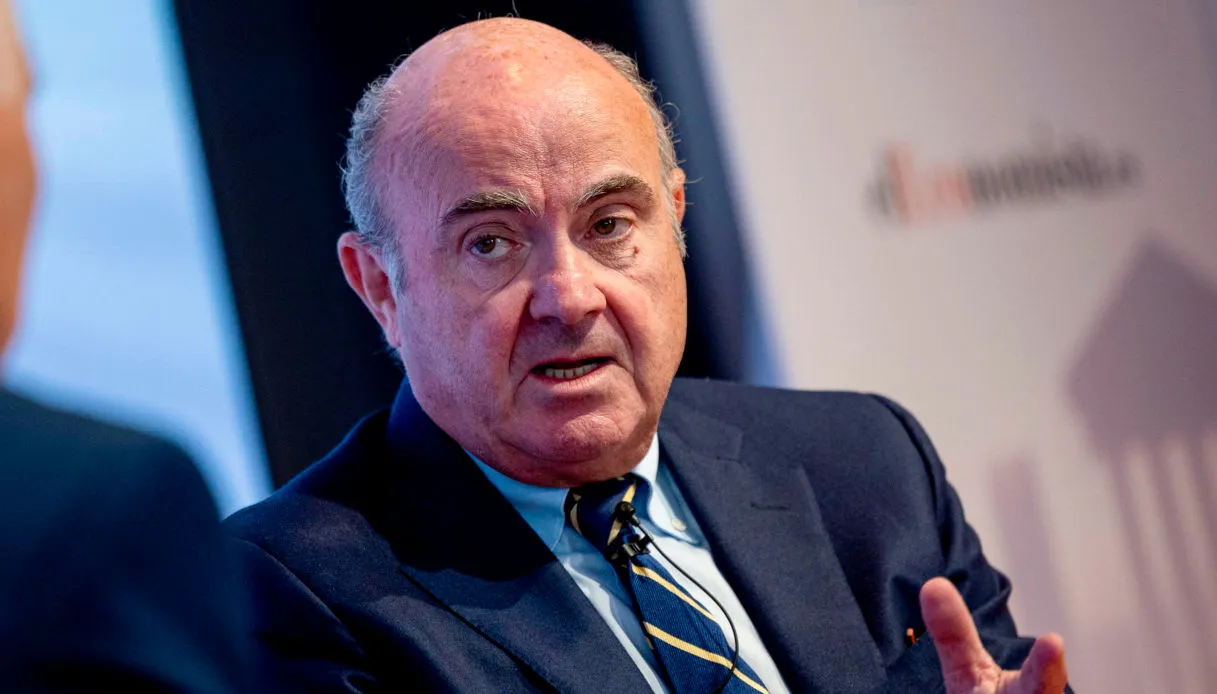
This is the message that came from Luis de Guindos, vice president of the ECB, who indicated the “second level effects” as the real deciding factor for any rate increases.
The decisions of the ECB
According to de Guindos, monetary policy cannot intervene on the first impact of the energy crisis. The increase in the price of oil and raw materials is an exogenous factor, linked to geopolitical tensions.
What can instead guide the ECB’s decisions is the way in which these increases spread throughout the economic system, in the form of:
- more expensive transport;
- more expensive industrial production;
- increase in consumer prices.
All this hits the most vulnerable segments of the population hardest. This is the fundamental point: if the cost of energy is permanently transferred to goods and services, inflation risks consolidating above the 2% target. And that’s when the ECB will feel called upon to act on rates.
The international scenario remains chaotic: the failure of negotiations between the United States and Iran and tensions in the Strait of Hormuz periodically bring oil back above 100 dollars a barrel. A see-saw of increases and decreases that follows geopolitical news.
The consequences do not only concern fuel: aluminium, fertilizers and plastic also record increases. These are fundamental inputs for numerous production sectors, with knock-on effects on the entire economy.
Inflation rising
The most recent data show accelerating inflation in the euro area: from 1.9% in February to 2.5% in March. Projections indicate a possible peak above 3% in the second quarter of 2026.
This move away from the ECB’s objective increases the probability of an intervention on rates, already at the meeting at the end of April or, at the latest, in June. Meanwhile, Eurozone government bond yields are approaching recent highs, signaling a shift in rate expectations.
Weak growth
Inflation appears to be rising and economic growth remains fragile. This creates a dilemma for Frankfurt: Raising rates may cool prices, but it also risks slowing the economy further. The ECB therefore continues to maintain a prudent approach, based on data analysis and the evolution of the international context. In short: we are currently navigating by sight in waters that are more than rough: mined.
What changes for savers and families
A possible rate increase would also have concrete effects for citizens:
- higher returns on deposit accounts and savings instruments;
- higher cost of credit for mortgages and loans;
- greater volatility in financial markets.
What the ECB will do
The central point remains one, as mentioned: the ECB will not automatically react to the increase in oil prices. The decision on rates will only come if the energy shock turns into widespread and persistent inflation. In practice, what matters is not only how much the price of crude oil rises, but how long and how profoundly this increase will be reflected in the real economy.