The extension of the cut in excise duties on fuel is still in the balance. 10 days after the expiry of the measure introduced to prevent the out-of-control surge in petrol and diesel prices, Giorgia Meloni underlines that the Government’s moves will have to await the outcome of the negotiations between Iran and the United States for an effective truce. A truce which, however, appears very unlikely, net of the false truces that will be renewed, given that the strategic intentions of the opposing parties remain diametrically opposed.
The talks scheduled in Pakistan on Wednesday 22 April, at the expected expiration of the ceasefire, start with the worst conditions: on the one hand Donald Trump facing yet another military upheaval, on the other Tehran ready to resist to the bitter end. With Italy geoeconomically in the middle.
What Giorgia Meloni said about Iran-US negotiations and excise duties
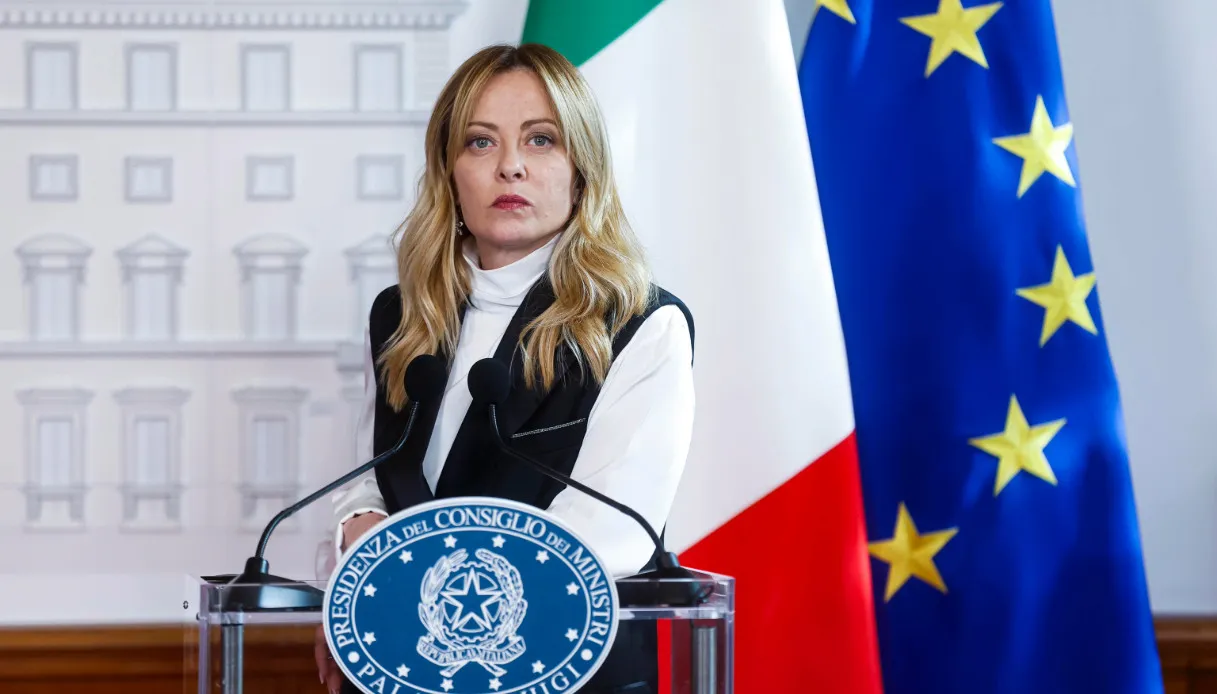
The Prime Minister, on the sidelines of her visit to the Salone del Mobile in Milan, declared:
There are some very important negotiations underway that we support, both those that concern the round of talks in Islamabad and that which concerns, another very important topic for us, the direct negotiation between Israel and Lebanon.
The Executive’s assessments will be carried out, he added:
based on what comes out of these negotiations, to see what priorities we need to give ourselves.
How long does the excise duty cut last and how much does it cost
The nature of the cut in excise duties on fuel is in itself always temporary. In March the Meloni government introduced the measure valid until 7 April, extending it at the end of the month until 1 May 2026. At a public cost of over half a billion euros, scraping together by cutting other state spending items.
The urgent measure had and has the objective of at least immediately containing the effects of the increases in petrol and diesel prices at the pump. This, however, did not prevent prices from rising and remaining well above 2 euros per litre. Furthermore, the extensive damage to the oil infrastructure in the Persian Gulf and the effective blockade of the Strait of Hormuz will cause a further price crisis that we will see in the medium to long term, from May onwards.
How much excise duty and VAT weigh on the price of petrol
In Italy the tax component alone represents approximately 55%-60% of the price of petrol. The two main items are excise duties and VAT. The former are fixed taxes per liter of fuel, independent of the price of oil.
These are taxes introduced over time to finance emergencies and public expenses, many of which remained in force even after the end of the original crises. To all this we add VAT at 22%, which applies not only to the industrial component, but also to the excise duties themselves.
This mechanism, often defined in the media as “tax on tax”, amplifies the effect of industrial price increases. The result is that more than half of the price of petrol and diesel charged at the pump does not depend directly on the energy market, but on the tax system.