The price of diesel could increase by up to 40 cents per liter with the introduction of Ets2, the new European system which will extend the CO2 emissions market to fuels used in road transport. The mechanism should become fully operational from 1 January 2028, but the Italian Government and several European countries are asking to review the conditions to limit the economic consequences on businesses and families. The alarm comes above all from the road transport sector, already struggling with expensive diesel fuel. According to Conftrasporto-Confcommercio, the application of Ets2 could lead to further price increases of between 30 and 40 cents per litre, with the risk of bringing the price of diesel above 2.50 euros. At the European Council of 15 and 16 October 2026, Union leaders reached a compromise on the need to evaluate the effects of the new system, without however approving a further postponement of its entry into force.
What is Ets2 and how the new European regulation works
Ets2, acronym for Emission Trading System 2, is the new European system for trading emissions quotas, introduced as part of the Union’s policies to reduce greenhouse gases. Unlike the ETS system already applied to large industries and other sectors, ETS2 will also involve road transport, buildings and some production activities.
The mechanism requires fuel suppliers to purchase quotas corresponding to the CO2 emissions generated by the fuels placed on the market. The overall number of available quotas will progressively decrease, with the aim of encouraging the reduction of fossil fuel consumption.
The obligation to purchase quotas will fall on fuel distributors and not directly on individual motorists. Obviously, the higher costs incurred by companies could be passed on, at least in part, to the final prices of petrol, diesel and fuels used for heating. The start of the new system was initially scheduled for 2027, before being postponed to 2028.
Diesel up to 40 cents more per litre: how much a full tank would cost
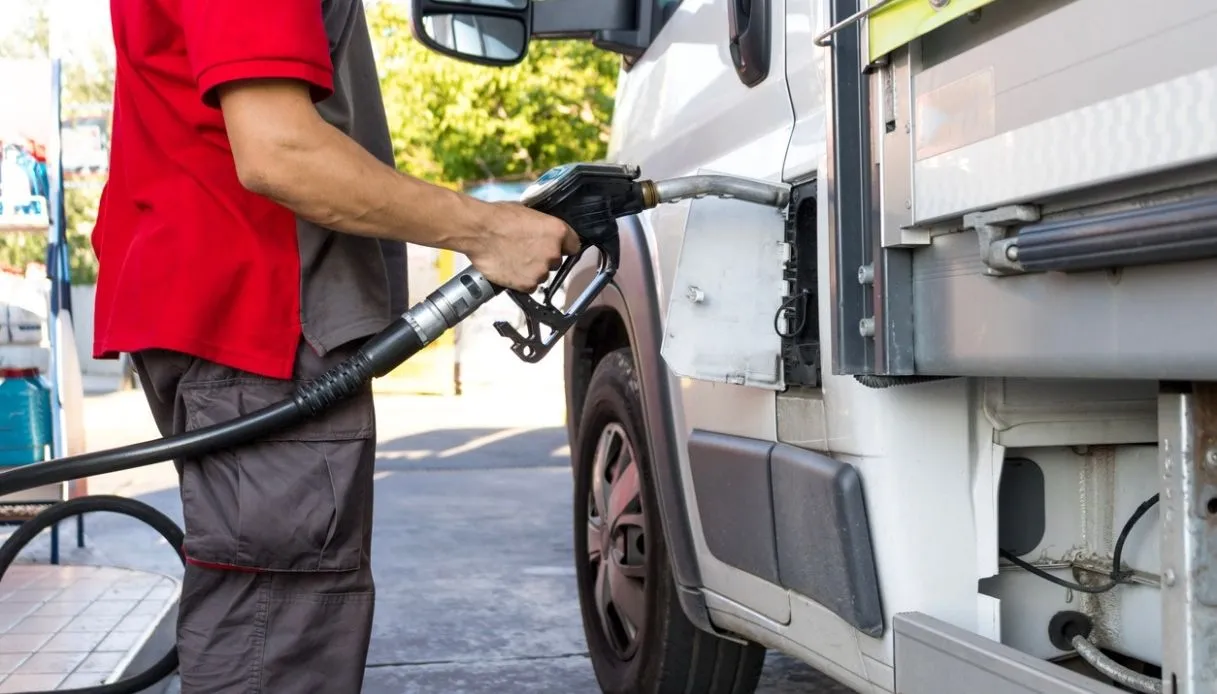
According to Conftrasporto estimates, the introduction of Ets2 could lead to an increase in diesel fuel of between 30 and 40 cents per litre. This is a forecast developed by the trade association, not an increase already established by the European institutions. The actual effect will depend on the price of emissions allowances and the part of the costs that is passed on to consumers. For motorists, an increase of this magnitude would have direct consequences on the cost of refueling. A 50 liter full tank would cost 20 euros more than the price without this increase.
The effects of ETS2 could extend beyond the price of fuel paid by motorists. In Italy, according to estimates recalled by Conftrasporto, approximately 90% of goods are moved by road. An increase in transport costs could therefore affect the expenses incurred by companies for the distribution of products. Food, agricultural and commercial businesses may find themselves incurring higher logistics costs, with possible repercussions on the final prices of some goods.
The position of the Meloni Government
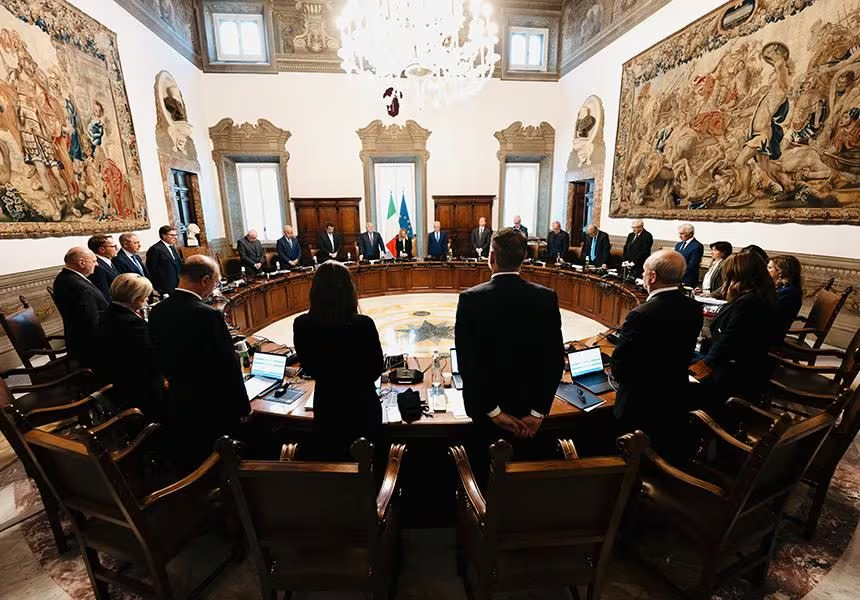
The topic of Ets2 was addressed during the European Council of 15 and 16 October, in a context marked by the increase in energy prices and the economic difficulties of businesses. Italy has supported, together with other European countries, the need to intervene on the new system to contain the risk of further increases in energy prices.
In the conclusions of the summit, the leaders asked the European Commission to update the assessment of the effects of ETS2, with particular attention to the functioning of the mechanism and safeguards against excessive price increases. However, a postponement of ETS2 to 2030, a solution supported by several central and eastern European countries, was not approved.
The Italian Government also aims to obtain greater margins for national intervention to support the sectors most exposed to the energy crisis. The discussion remains open, while Brussels is called to evaluate further tools to contain energy costs without changing the general emission reduction objectives.
Hauliers against Ets2
The economic effects of the new legislation are contested by Pasquale Russo, president of Conftrasporto-Confcommercio, according to whom the system risks worsening an already difficult situation for transport companies. “The Ets2 would give the final blow to Italian road transport,” declared Russo, underlining that the price of diesel could exceed 2.50 euros per litre.
According to the association, fuel now represents over 40% of the overall costs of road haulage companies, while the price of diesel has increased by over 50 cents per liter since the beginning of the conflict between the United States and Iran. Conftrasporto also reports that one in five road haulage companies would risk bankruptcy by the end of the year due to the current economic difficulties. To deal with the emergency, the sector is asking for the release of the aid already announced and for additional resources to cover cost increases in the final months of 2026.