Tensions in the Middle East are once again weighing on the mortgage market. Not directly, but through a mechanism that passes through energy, inflation and financial expectations: it is not the war itself that affects the installments, but what the markets expect to happen afterwards.
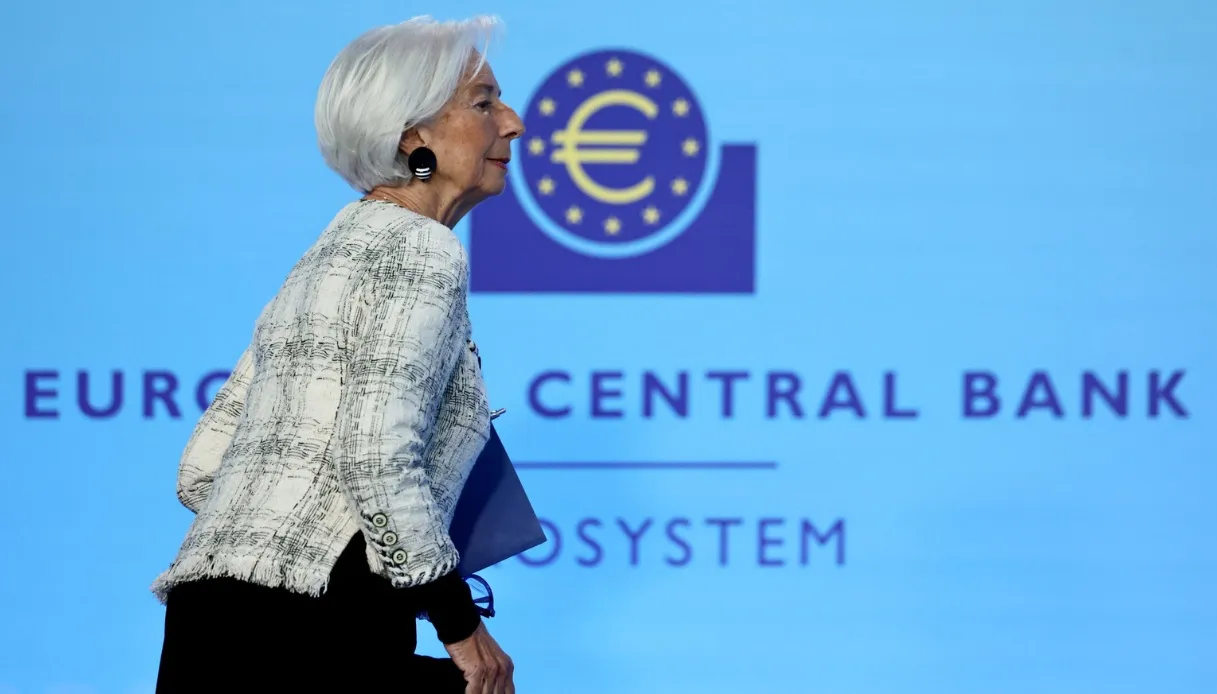
The result is that the cost of new mortgages may increase before there is even a decision from the European Central Bank, which Christine Lagarde said will arrive no earlier than June 11th.
Why the energy crisis impacts fixed mortgages
When instability increases in strategic areas such as the Middle East, the first effect markets observe often concerns the price of energy. Oil and gas react quickly to geopolitical tensions. More expensive energy means higher costs for transport, industrial production and consumer goods, which easily translates into inflation, a factor that the ECB watches carefully before making any monetary policy decisions. And according to Isabel Schnabel, one of the most restrictive members of the European banking institution, the time is ripe for an operation of this type.
The markets anticipate the ECB’s decisions
The decisive step occurs in the financial markets. When the risk of inflation increases, investors begin to revise their expectations on future ECB rates. If there is a fear that rates will remain high for longer, the cost of borrowing will tend to rise immediately. This is because mortgages do not only follow the official rates of the ECB, but above all the so-called market rates:
- the Euribor for variable rate mortgages;
- the Eurirs (Irs) for fixed rate mortgages.
Both reflect the expectations of economic operators, not just the decisions already made.
Because fixed mortgages can go up immediately
The price of fixed rate mortgages does not depend directly on the current ECB rate, but on long-term swap rates (Eurirs), which incorporate forecasts of inflation and future monetary policy.
As uncertainty increases, investors will tend to demand higher yields to have the ability to lend money for more years. This mechanism increases the Eurirs, on which the value of fixed mortgage rates depends.
Banks use these tools to hedge against the risk of interest rate changes by immediately adapting the conditions offered to new customers. Thus, newly stipulated fixed mortgages become more expensive, even if the ECB has not yet lifted a finger.
Fixed and variable mortgage: who is exposed today
The fixed rate mortgage guarantees a constant installment for the entire duration of the contract. Those who have already signed it do not undergo changes: the rate remains the one established at signing, regardless of what happens on the markets.
The variable rate mortgage, on the other hand, is linked to the Euribor and follows the dynamics of monetary policy more closely. In the event of inflationary tensions or expected increases in ECB rates, the installments may increase progressively.
Today, in a still uncertain context, the fixed rate is often seen as a form of protection, while the variable rate remains more convenient only if a stable or declining phase in rates is expected.
Is fixed or variable rate worth it?
The cycle of increases in recent years has already had an impact on financing costs. But the perpetuation of geopolitical tensions does not exclude the possibility of new inflationary shocks.
To date, according to estimates by Mutuionline.itthe variable (2.62%) is more advantageous than the fixed (3.37%), recording a difference of almost 60 euros per month on a thirty-year mortgage of 150,000 euros, which in this economic situation makes a huge difference, given the high cost of living that Italian families face.
In this context, the variable may offer a small initial advantage, but it must be taken into account that it exposes it to the risk of future increases. The landline, on the other hand, costs more but protects against any worsening of the geopolitical and economic scenario.