Istat’s verdict on the final data of the deficit for 2025 has just been released. It was so long awaited that the website of the National Statistics Agency was not reachable, probably due to too many visits.
This survey is decisive for the state coffers. The Government’s objective is to verify whether the ratio between public debt and gross domestic product has finally managed to fall below the crucial threshold of 3%. In April it was 3.073%, due to the impact of the Superbonus. It is confirmed above the threshold indicated by Maastricht, reaching 3.1%, but still decreasing compared to 2024, which had reached 3.4%.
Because a minimal waste makes all the difference
Not even a penny of waste in the eyes of taxpayers can seem like an accounting trifle. In the context of European public finance it represents a clear boundary between autonomy decision-making and access to funds and constraints. Reaching the 2.94% quota as hoped for by the Mef would have been essential to fully use the clauses of the new Stability Pact.
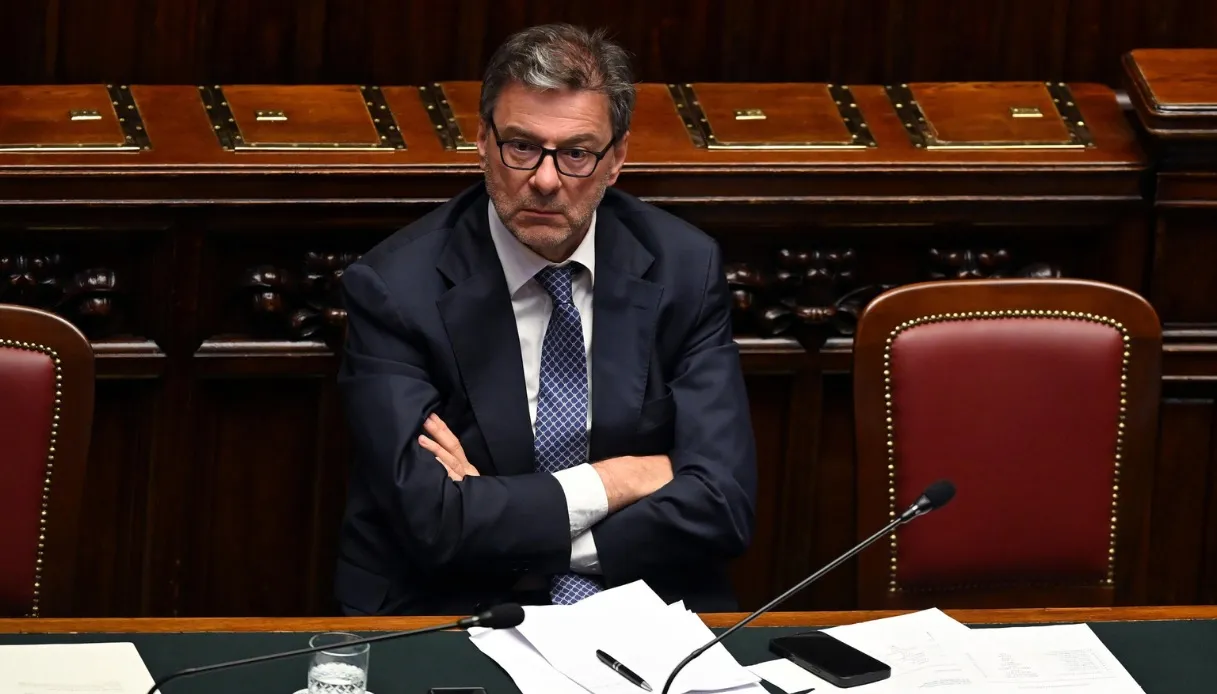
Thus the Minister of Economy Giancarlo Giorgetti commented on the condition of our country in these hours of waiting:
As a fisherman’s son I took the boat to safe waters. A country with over 3,000 billion in public debt decides for itself as long as it retains the trust of those who lend it the money; if it loses it, the priorities are dictated by the creditors.
What Italy risks with the European Union
Having confirmed the failure to return below 3%, Italy does not risk immediate sanctions, but will be paid attention to within the corrective arm of the European Union. Which will entail special surveillance of the Government’s spending decisions and the obligation to follow a rigid recovery trajectory to be achieved in the coming years.
A whole series of measures regarding energy spending and defense will be compromised. For these two items alone, Italy intended to set aside 36 billion euros over two years. Within the corrective arm, investments will be totally in deficit, making the return to the safety zone even more difficult.
The impact on the 2027 Budget
The outcome of the verdict will affect the structure of the next budget law:
- the Government will not be able to count on the extra trade deficit to finance or free up margins on hot chapters of economic policy, such as the extension of Irpef cuts, pension measures or business incentives;
- the political debate could reopen on the opportunity to activate additional spending on defence, a strategic measure that is difficult to sustain if without the flexibility granted by Brussels;
- a significant portion of the resources cannot be immediately spent to cover the devaluations and tax credits emerging from the Revenue Agency’s controls on the Superbonus, reducing the executive’s effective room for maneuver.