A new hypothesis emerges for the 2027 Budget: the extension of the second Irpef bracket could arrive gradually to contain the costs of the measure. The first intervention would concern incomes up to 55 thousand euros, with a maximum saving of 500 euros per year. To reach the threshold of 60 thousand euros we would have to wait until next year.
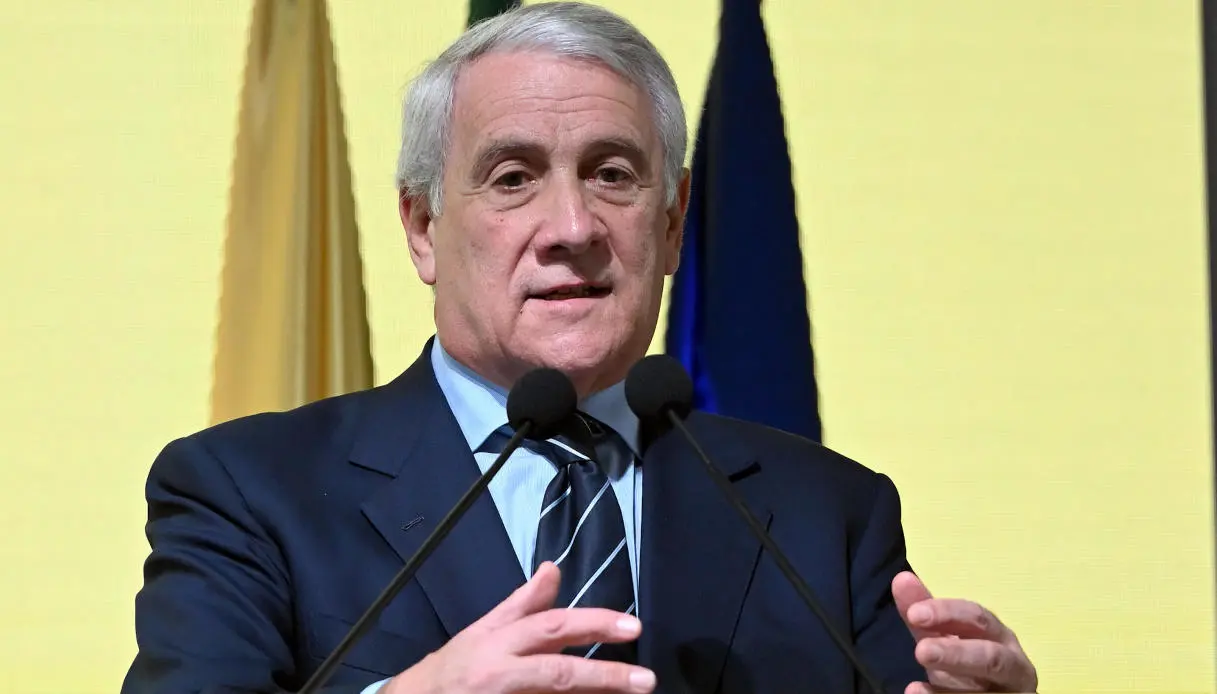
The project, illustrated by the deputy prime minister and leader of Forza Italia Antonio Tajani during an internal party meeting.
Maneuver, Irpef cut in two stages
The measure could affect around 3 million taxpayers. The possibility of proceeding will also depend on the outcome of the discussion with Brussels on budget flexibility.
The possible extension of 33% up to 55 thousand euros would have different effects depending on the declared income. The benefit would derive from the reduction of ten percentage points applied to the part of income which, under the current rules, falls within the 43% rate.
Today, in fact, 33% applies to the income range between 28 thousand and 50 thousand euros, while above 50 thousand euros the rate is 43%.
Raising the threshold above 55 thousand euros would mean applying 33% also to the next 5 thousand euros of taxable income. The maximum saving would therefore be, as mentioned, 500 euros per year for those with an income equal to or greater than 55 thousand euros, considering exclusively the difference between the two rates. With the extension up to 60 thousand euros, however, the maximum benefit would rise to 1,000 euros per year.
Below is a summary of the progressive effects on income:
- with an annual taxable income of 50,000 euros > there would be no benefit;
- income of 52,000 euros > 200 euros;
- income of 55,000 euros > 500 euros;
- income of 60,000 euros > 500 euros with the first phase (2027) and 1,000 euros with the full extension (2028).
Irpef of the agricultural sector
Agriculture Minister Francesco Lollobrigida also stated that the government intends to confirm the exemption from Irpef payment for the agricultural sector for two years.
Healthcare, young people and expensive energy
The interventions on Irpef are just some of the issues on the table of the Meloni Government. Then there are the hypotheses regarding healthcare and the possibility of a cashback.
And as regards the flat tax, these are the hypotheses being studied:
- a 5% flat tax on salary increases for employees up to 35 years of age;
- a flat tax on contract renewals, on night and weekend work and on productivity bonuses;
- a flat tax for VAT numbers with a threshold to be increased to 100 thousand euros.
Then there is the large chapter of house bonuses. By finding coverage, the Government aims to confirm the rates
- Ecobonus;
- Earthquake bonus;
- Ordinary renovation bonus.
Without new regulatory intervention, from 2027 the rates would drop from 50% to 36% for first homes and from 36% to 30% for other properties.
Among the Government’s wishes there would then be the possibility of pushing the Ecobonus to 65%.
As regards the cut in car tax for lower engine capacity cars for the whole of 2027, the clear intention is to make the measure structural.
Maneuver 2027, the unknowns
The uncertainty of the coverage weighs on the Maneuver. The Government has started a discussion with the EU Commission to ask for greater flexibility on the accounts.
Then there is the search for funds from banks and insurance companies, with the executive asking for 5 billion and the sector resisting by recalling the pre-existing agreement.