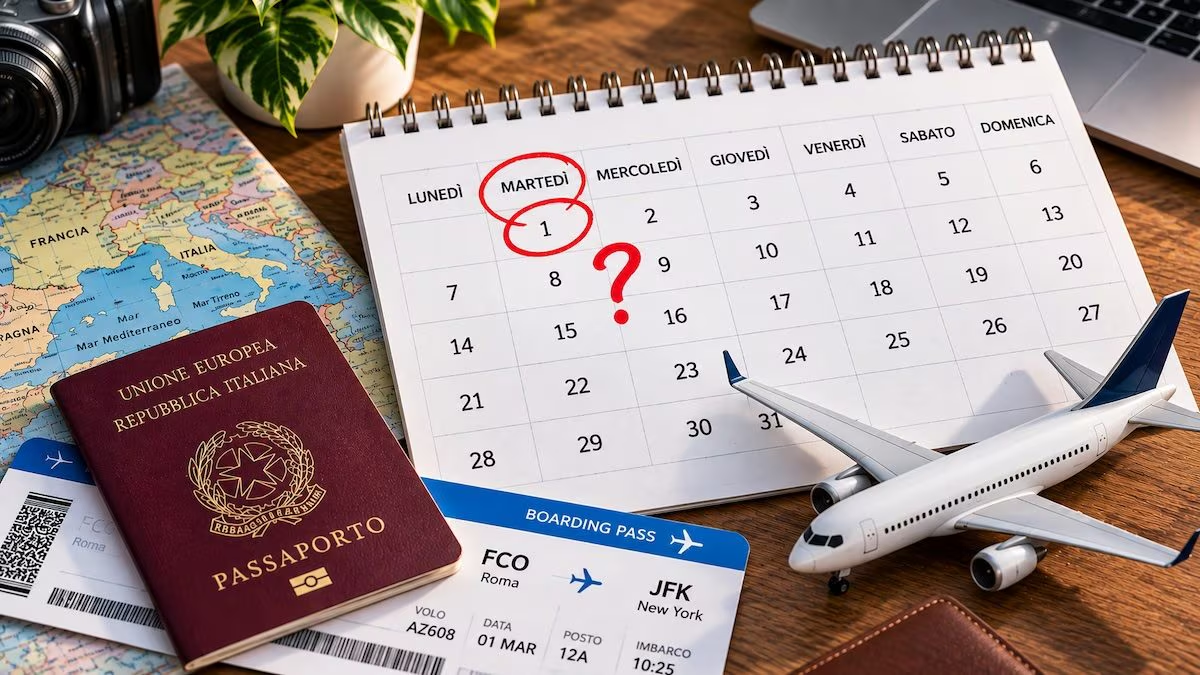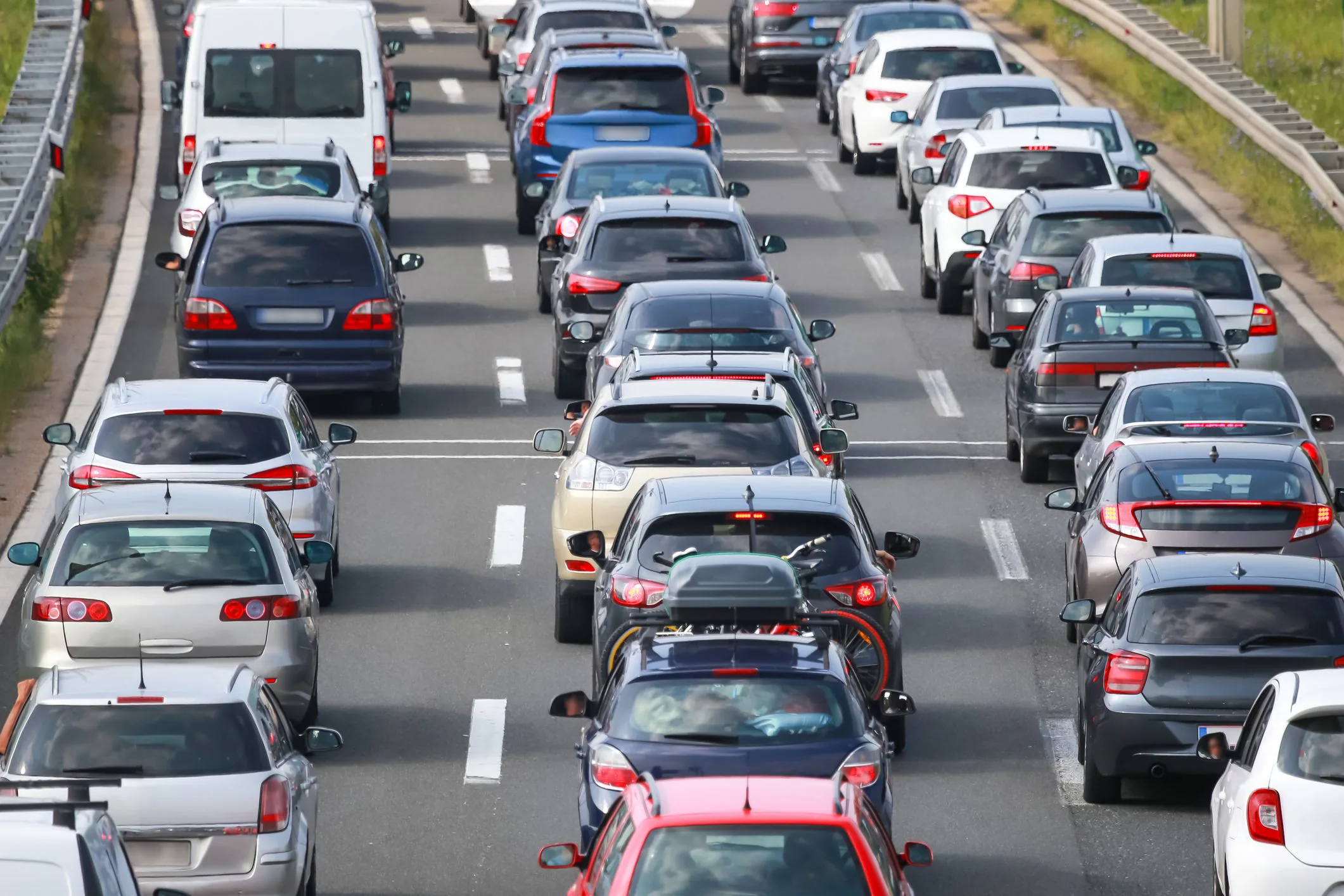
Starting from 1 June 2026, anyone stuck on the motorway due to construction sites or blocked traffic is entitled to a partial or total reimbursement of the toll. The measure, provided for by resolution no. 211/2025 of the Transport Regulatory Authority (ART), allows motorists to obtain compensation directly from motorway operators, in cases where the service does not comply with minimum quality standards.
In this first phase, however, reimbursements for construction site delays will only concern routes managed entirely by a single concessionaire, while those on multi-concessionaire routes will start from 1 December 2026. Associations such as Codacons have highlighted a significant criticality of the reimbursement system: the risk is that the costs of reimbursements could be passed on to motorway tariffs, with further increases for motorists to cover the costs of compensation.
Who can request toll reimbursement
According to what is indicated on the dedicated page of the Autostrade per l’Italia website, there are two main ways to obtain a refund: as a registered user and as an unregistered user.
Registered users, who can register on the cashback.autostrade.it website or on the Muovy Cashback app, have three options available. The first consists of registering your electronic toll device: in this case the refund is automatically credited every time the right becomes available, without the need to submit any request.
The second option, however, provides the possibility of registering your license plate, in the event that the tolls were paid with cards or cash. Finally, the third possibility is to submit a manual request with receipt: the user scans the payment receipt collected at the exit toll booth and submits the application. All three methods, however, require the communication of an IBAN for credit.
For those who do not want to register, from today it is possible to request a refund even without creating an account. Just keep the toll booth receipt and indicate an email address. The receipt can be used starting 4 hours after collection at the toll booth. After sending the request, you will receive a code via email to monitor the status of the refund. Refunds exceeding 10 cents are credited and paid starting from the minimum threshold of 1 euro.
How refund amounts are calculated
Starting from 1 June 2026, the new measures introduced by resolution 211/2025 of the Transport Regulatory Authority will therefore apply: if the motorway service does not comply with minimum quality standards, the user may be paid financial compensation.
The new system, in particular, distinguishes two scenarios: construction sites and blocked traffic events. In the case of construction sites, the right to reimbursement depends on the length of the journey and the delay accumulated:
- For journeys up to 30 km, the refund always starts, regardless of the delay.
- For journeys between 30km and 50km, a delay of at least 10 minutes is required.
- For journeys over 50 km, the delay threshold rises to 15 minutes.
The amount is made up of two parts: a basic fee, calculated based on the characteristics of the construction sites encountered on the route, and an additional fee for delay, proportional to the time lost compared to the reference travel times published by Autostrade. If more than one construction site is encountered during the journey, refunds are added up to the maximum amount of toll paid.
In the case of blocked traffic, however, the mechanism is simpler and is based on the duration of the event:
- In case of blockage between 60 and 119 minutes, the refund is equal to 50% of the toll cost.
- In the event of a block between 120 and 179 minutes, the refund rises to 75%.
- For traffic blocks lasting 180 minutes or more, reimbursement is equal to 100% of the toll cost.
Events lasting less than 60 minutes do not give the right to any refund, not even when added together. If both construction sites and blocked traffic occur on the same journey, the motorist is entitled to the higher reimbursement of the two: the amounts, in this case, are not added.
The critical issues reported by Codacons
Although the innovation has been positively received, at the moment some critical issues remain. The main one, also reported by Codacons (the Coordination of associations for the defense of the environment and the protection of the rights of users and consumers) concerns the possibility for motorway companies to fully recover the costs of reimbursements through tariff increases. According to the ART resolution, managers will be able to recover 100% of the expenditure incurred to provide reimbursements related to construction sites until 2027, with a progressive reduction in subsequent years: 75% in 2028, 50% in 2029 and 25% in 2030.
For reimbursements linked to the blocking of traffic, however, full recovery through toll is permitted if the concessionaire demonstrates force majeure and compliance with information obligations. The risk, at this point, is that the cost of these measures will end up falling on the motorists themselves, with a possible increase in motorway tariffs by the motorway network managers to compensate for the compensation that has been paid.
Among other things, at the time of launch the single app for all network managers envisaged by the Transport Regulatory Authority was not yet active: the main motorway companies have published the forms on their websites, but a centralized platform is still missing.
Furthermore, it is important to underline that in this first phase, mobile and emergency construction sites (resulting from accidents, extraordinary weather events or rescue activities) are excluded from the mechanism, as are the routes on which a general reduction in the toll is already foreseen. The second phase of the initiative is expected to come into force on 1 December 2026, which will extend reimbursements to routes on routes managed by multiple concessionaires.