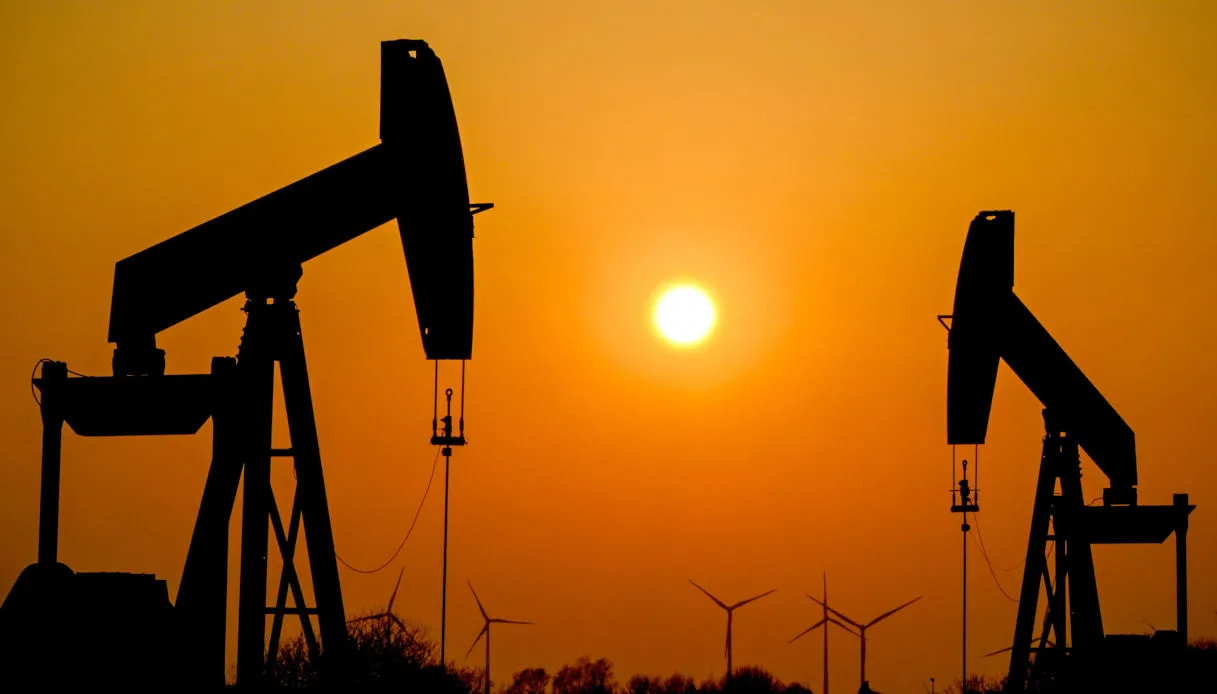
March 2026 enters the archives as the hottest month ever for the price of oil.
Brent recorded an unprecedented leap: +59% since February 28, the highest monthly increase since the birth of futures in 1988. An acceleration that even surpasses the 1990 peak during the Gulf War. The morning of April 1st opened with Brent prices at 103.72 dollars a barrel (-0.24%) while the WTI rose to 101.69 dollars (+0.24%).
What happened to the price of oil
At the basis of this shock is the geopolitical crisis in the Middle East, with the war between the United States/Israel and Iran and, above all, the paralysis of the Strait of Hormuz, a vital hub through which approximately one fifth of the world’s oil transits.
Tehran’s de facto closure of the strait generated a sudden contraction in global oil supply.
According to analysts’ estimates, around 300 million barrels have already been removed from the market, equivalent to almost three days of global consumption. An interruption that observers define as much more serious than the 2022 shock linked to the war in Ukraine.
The consequences:
- Asian refineries forced to reduce production by up to 2.5 million barrels per day;
- around 10 million barrels blocked in the Gulf countries;
- growing tensions across the entire global energy supply chain.
Petrol and diesel almost doubled
The impact is not just on crude oil. Refined products are seeing even stronger increases:
- jet fuel and diesel nearly doubled since the start of the year;
- gasoline in the United States above $4 per gallon, highest since 2022;
- WTI up more than 55% in March alone.
A chain effect that is already being transferred to inflation, especially in Europe, where energy is once again driving price growth.
Inflation and markets
The rise in oil is producing ripple effects. The Eurozone records inflation rising to 2.5%, while financial markets close March with a sharp decline.
The main European stock markets report losses:
- Frankfurt -10.5%;
- Paris -8.9%;
- Milan -6.1%;
- London -6.7%.
The Euro Stoxx 600 index records its worst month since 2022, erasing the gains from the beginning of the year. Above all, the sectors most exposed to energy costs are suffering, while oil stocks are recording the opposite performance.
The forecast: Brent towards 110 dollars
Analysts point to a still unstable scenario. The most accredited estimates include:
- Brent at $110 a barrel in the second quarter;
- stabilization around 100 dollars in the second half of the year.
But the market may not yet have fully priced in geopolitical risk. As long as the conflict continues and the Strait of Hormuz remains under threat, price pressure will remain high. There is also the risk of a new price-wage spiral.
The risk is the one already seen in 2022:
- increase in energy costs;
- pass-through on consumer prices;
- pressure on wages;
- new inflationary acceleration.
The European Union is now evaluating measures to reduce demand, increase the use of biofuels and strategies to manage a possible prolonged interruption in supplies.
The variable now concerns the duration of the war in Iran: if the crisis were to prolong, March 2026 could just be the beginning of a new phase to which the world would have to get used to. And the rising price of fuel is just one of the variables to take into consideration.