After months of extensions and over two billion euros spent, the chapter on cutting excise duties on fuel is coming to an end. The last measure in force expires on Saturday 6 June 2026, and this time the extension is no longer on the table. The Meloni government has chosen to change its approach: stop discounts at the pump, and start more targeted aid, which targets families with low incomes.
What changes from June 7th
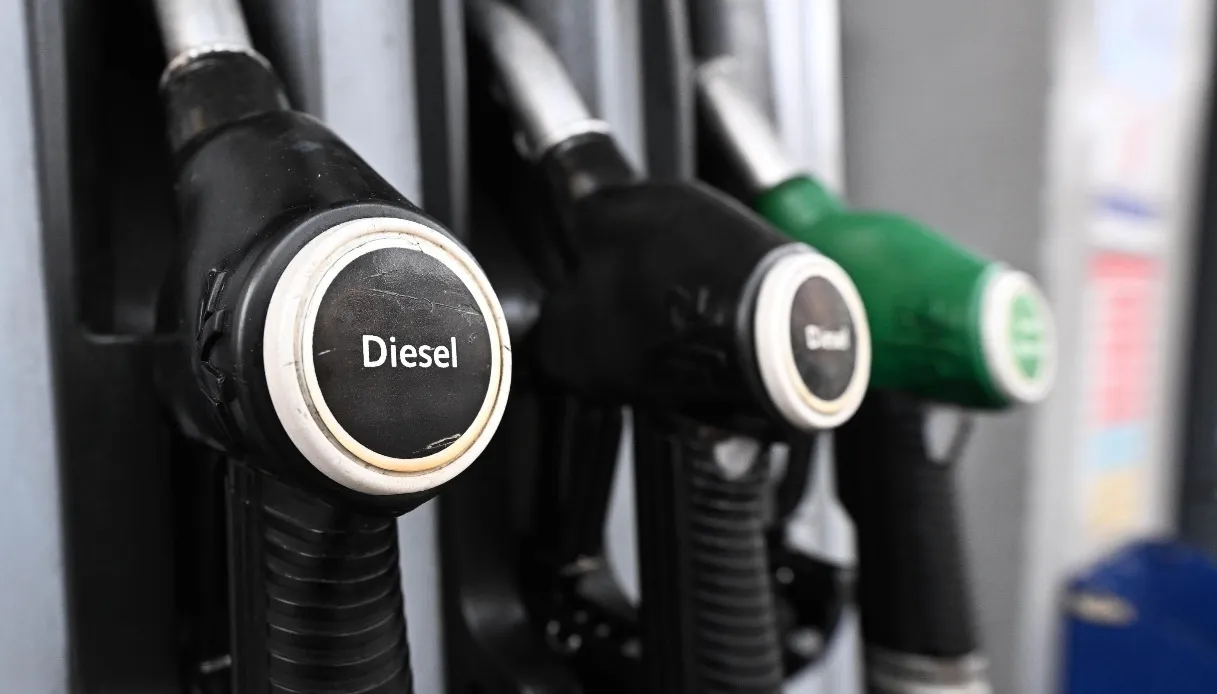
The cut in excise duties on fuel will expire tomorrow, and in the absence of interventions by the government the prices of petrol and diesel will rise again on the network, with green petrol reaching an average of 1.98 euros per liter (2.02 euros on the motorway), while diesel will stand at 2.10 euros (2.19 euros on the motorway). Codacons reminds us of this, calculating the impact on the pockets of Italian motorists:
failure to renew the discount on excise duties will cause petrol to cost 6.1 cents more, while diesel will cost 12.2 cents more: this equates to a greater expense of +3 euros for a full tank of green, +6.1 euros for a full tank of diesel. An increase in price lists at the pump which would occur precisely in the period in which Italians travel by car is increasing, and which would have disruptive effects both on inflation, which has already risen to +3.2% in the last month, and on family consumption.
The latest intervention, approved on May 22, had an impact of 10 cents less for diesel and 5 for petrol, bringing both prices around the threshold of 2 euros per litre.
Because we change course
The reason is financial and political. On the one hand, the cost of maintaining the excise duty cut until the end of the year is estimated at 7 billion euros, an unsustainable figure for public finances already under pressure. On the other hand, both the European Union and the International Monetary Fund have repeatedly criticized indiscriminate fuel aid, defining it as expensive, inefficient and in conflict with energy transition objectives.
EU Commissioner for Economy Valdis Dombrovskis said that the new budget flexibility granted to member states:
it does not cover measures that subsidize the use of fossil fuels, such as targeted excise duty reductions.
Those funds are reserved for renewables, electricity grids, storage systems, electric vehicles and photovoltaic panels.
Aid of 100 euros is on the way for families
To compensate for the increase in prices at the pump, the Government has thought about introducing a fuel bonus of 100 euros, paid out through the card dedicated to you, reserved for families with an ISEE of no more than 15,000 euros. The potential audience is estimated at approximately 1.2 million families.
The cost of the operation would be around 120 million euros, a figure significantly lower than the billions spent so far with the general cut. The coverage could come from the increase in VAT revenue generated by the increase in prices at the pump. In this way, part of the extra tax revenue would be allocated to supporting the most vulnerable families.
However, there is a significant obstacle. For 2026, the ministerial decree that defines the requirements and methods of assigning the card dedicated to you is still missing. Without that provision, the bonus cannot be paid.