Free flow is a motorway toll collection system that allows the vehicle not to stop and to be recognized through specific portals installed along the route. This technology, already operational in some areas of Lombardy and Piedmont, is spreading and changing the way in which tolls are processed and paid. For those who use Telepass or similar mobility services, the transition is almost imperceptible, while for those without a device there is a deadline to meet. Those who travel along certain motorways in Northern Italy are already aware of it, but let’s go in order and see what free flow is and where it has been implemented.
What is free flow on the motorway and where is it active in Italy
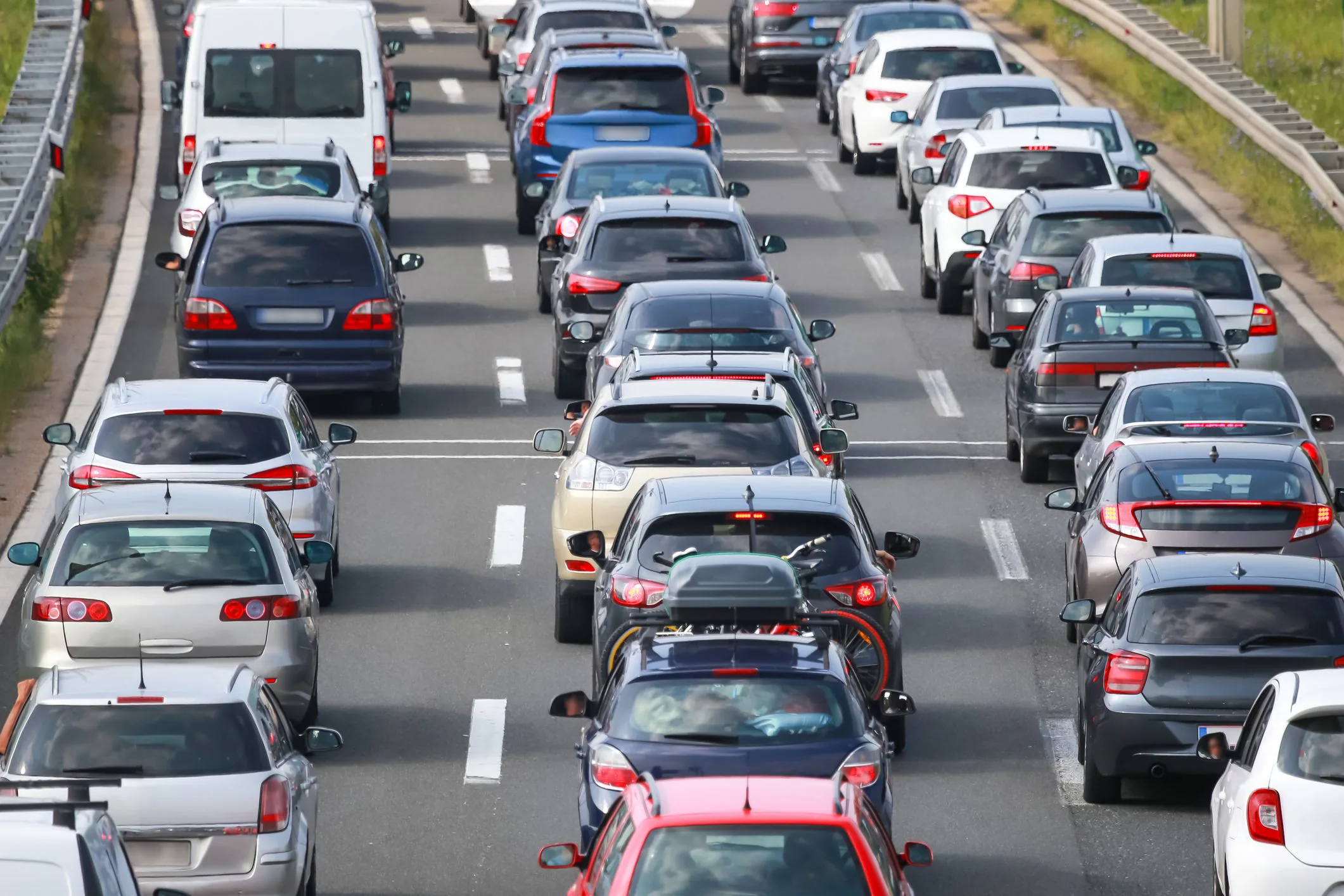
Free flow is a toll collection technology that renounces any physical barrier, a model that is operational on approximately 200 kilometers of the national network: the A36, Pedemontana Lombarda, the A33 Asti-Cuneo, the Como (A59) and Varese (A60) ring roads and the Ospitaletto-Montichiari connection (in the province of Brescia). An operational reality on several arteries in the country whose objective is to eliminate queues, which form at the barriers, therefore making traffic flow more smoothly especially during rush hours.
The truly innovative element lies in the very act of crossing, considering that the car passes through a portal without stopping, without windows to roll down or tickets to collect. In the meantime, the special gates installed above the lanes record the transit, reconstruct the route traveled and determine the amount due. A circulation finally free from physical barriers but not therefore free. Identification can take place through the license plate, which is recognized through cameras and sensors, or through an electronic toll device, in which the charge is made automatically. In both cases, the manager is able to trace that transit to a specific vehicle, establish its category and quantify the toll.
How toll payment works with and without Telepass and penalties
Those traveling with Telepass, UnipolMove or MooneyGo do not have to make any further steps, given that it is the portal that communicates with the device and the debit is automatically made to the associated account, as would happen at a traditional toll booth. While for all the others, therefore all those without a device, the transit is recorded and the balance must be regularized at a later time through the channels set up by the motorway network management body, which can be an online platform, a dedicated app or affiliated physical payment points.
You have to pay attention to the technical times. This is because the payment for transits can first of all appear in the systems even within 24 hours following the passage; furthermore, with the new toll settlement system, it is not immediate and must be paid within the next 15 consecutive calendar days of transit, always through official apps, platforms or enabled counters. The consequences, for those who forget to pay, can be quite bitter. In fact, the manager, once the 15 day deadline has passed, can send a first payment reminder, increased by the charges related to collection, and if the balance is not regularised, failure to pay can result, based on article 176 of the Highway Code, in an administrative fine of between 87 and 344 euros and the deduction of two points from the driving licence.
No barriers but the toll remains
It is good to keep in mind that the absence of barriers or a physical obstacle does not equate to the disappearance of the obligation to pay. The toll remains, it is due, it is only the way and the time that have changed. Those who have electronic tolls are covered by the automatic debit, all others must remember to consult their transits and pay within the deadline.
The digitalisation of tolls brings with it a downside, namely the need to scrupulously examine the origin of each payment request. An SMS, email or WhatsApp message urging you to click on a link to pay for an alleged transit could hide a phishing attempt. The most prudent course is to ignore the links contained in this type of message and check by accessing the operator’s official website or app directly.
It is no coincidence that Autostrada Pedemontana Lombarda has published a specific warning about false messages relating to tolls, with a passage that underlines that “These messages may appear very credible, because they also use official logos and brands, but contain external links and attempt to obtain personal data or banking information or credit card pin codes”, and that therefore “To protect your data, never click on suspicious links and always check any payment requests directly on the official channels of Autostrada Pedemontana Lombarda”.