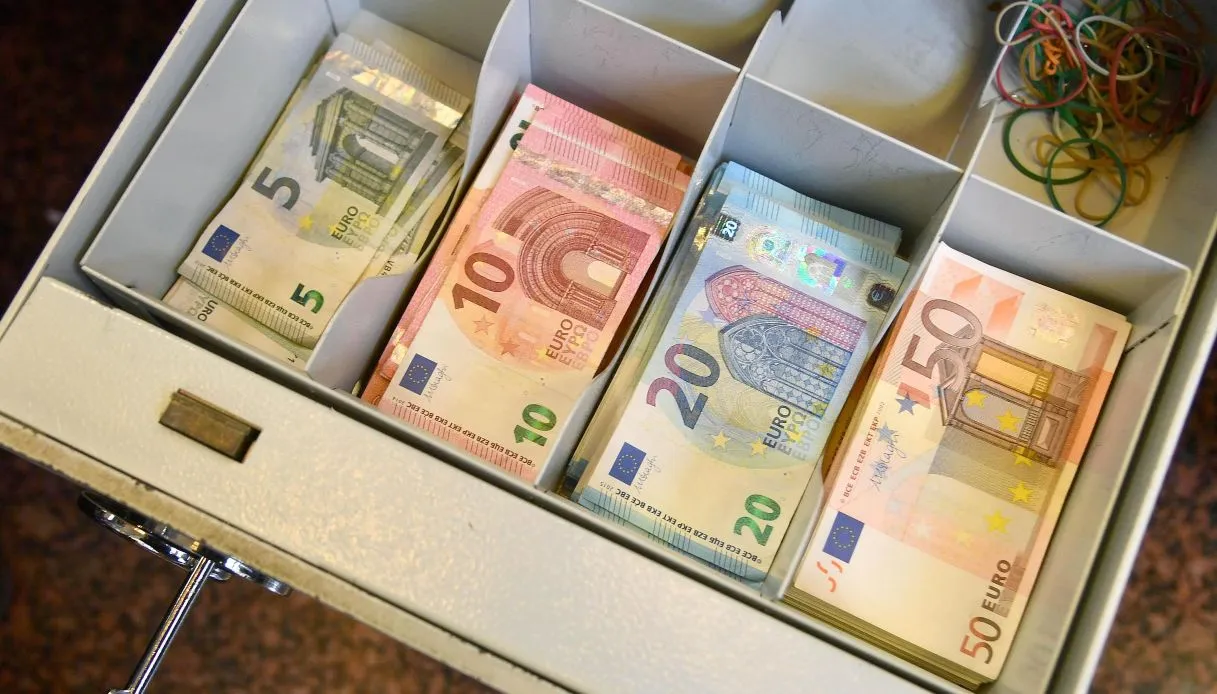
For the first time since its birth, the euro will change its appearance. The ECB has started an unprecedented renewal process. By the end of the decade it will bring new banknotes into the pockets of European citizens: safer, greener and more representative of today’s Europe.
Why do banknotes change?
The idea of renewing euro banknotes is not new. The ECB had already announced it in 2021, as part of a broader program aimed at making the single currency safer against fraud and having less impact on the environment.
The project really came to life on 15 July 2025, with the official announcement of a competition open to designers from all over Europe.
The competition deadline
The designers selected by the ECB have until the end of April 2026 to present their projects. A jury of experts will evaluate the proposals. It will then select up to 10 finalist works (five for each of the two competing themes) to submit to the Board of Directors. This phase should be completed by June 2026. Immediately afterwards, the ECB will launch a survey to collect citizens’ opinions on the finalist proposals. The final decision will be made by the Governing Council, also taking into account the preferences expressed by the public.
The final verdict is expected by the end of 2026. However, we will still have to wait to see the new banknotes in circulation: security tests, the choice of materials and production will require further years. The introduction could take place no earlier than 2028, perhaps even later.
The finalist themes
In the summer of 2023, over 365,000 European citizens took part in surveys to choose the new banknotes. The two themes chosen were:
- European culture, which celebrates the continent’s common identity through art, history and great personalities;
- rivers and birds, which evoke the freedom of movement, the absence of borders and the natural richness of Europe.
Designers participating in the competition must strictly adhere to the subjects and guidelines established by the ECB for each cut.
Who will appear on the new banknotes
The cultural theme includes, on the front of each banknote, the portrait of a great European historical personality, with a balance between men and women. On the back, scenes of daily life linked to culture and sharing will be depicted. Here’s what the new banknotes might look like:
| Cut |
Forehead |
Back |
| €5 |
Maria Callas |
Street artists entertaining passers-by |
| €10 |
Ludwig van Beethoven |
Music festival with children’s and youth choir |
| €20 |
Marie Curie |
School or university context |
| €50 |
Miguel de Cervantes |
Library with adults and children reading |
| €100 |
Leonardo da Vinci |
Adults and children admiring urban art |
| €200 |
Bertha von Suttner |
Tree-lined square as a meeting place |
In the series dedicated to rivers and birds, however, the front depicts river landscapes and animal species that are symbols of the European territory. The reverse shows the buildings of the main institutions of the European Union.
| Cut |
Forehead |
Back |
| €5 |
Wallcreeper, mountain landscape |
European Parliament |
| €10 |
Kingfisher near a waterfall |
European Commission |
| €20 |
Bee-eaters on sand wall, river valley |
European Central Bank |
| €50 |
White stork on the bends of a river |
Court of Justice of the EU |
| €100 |
Avocet on mudflat |
European Council and Council of the EU |
| €200 |
Gannet on ocean waves |
European Court of Auditors |
Goodbye to the 500 euro banknote
The new denominations will not include the 500 euro banknote, which already went out of circulation between 2019 and 2020. The reason is mainly practical. This denomination was particularly used to move large quantities of money in a small space, often being associated with money laundering, tax evasion and other illicit activities.
Existing banknotes, however, will continue to retain their legal value indefinitely.