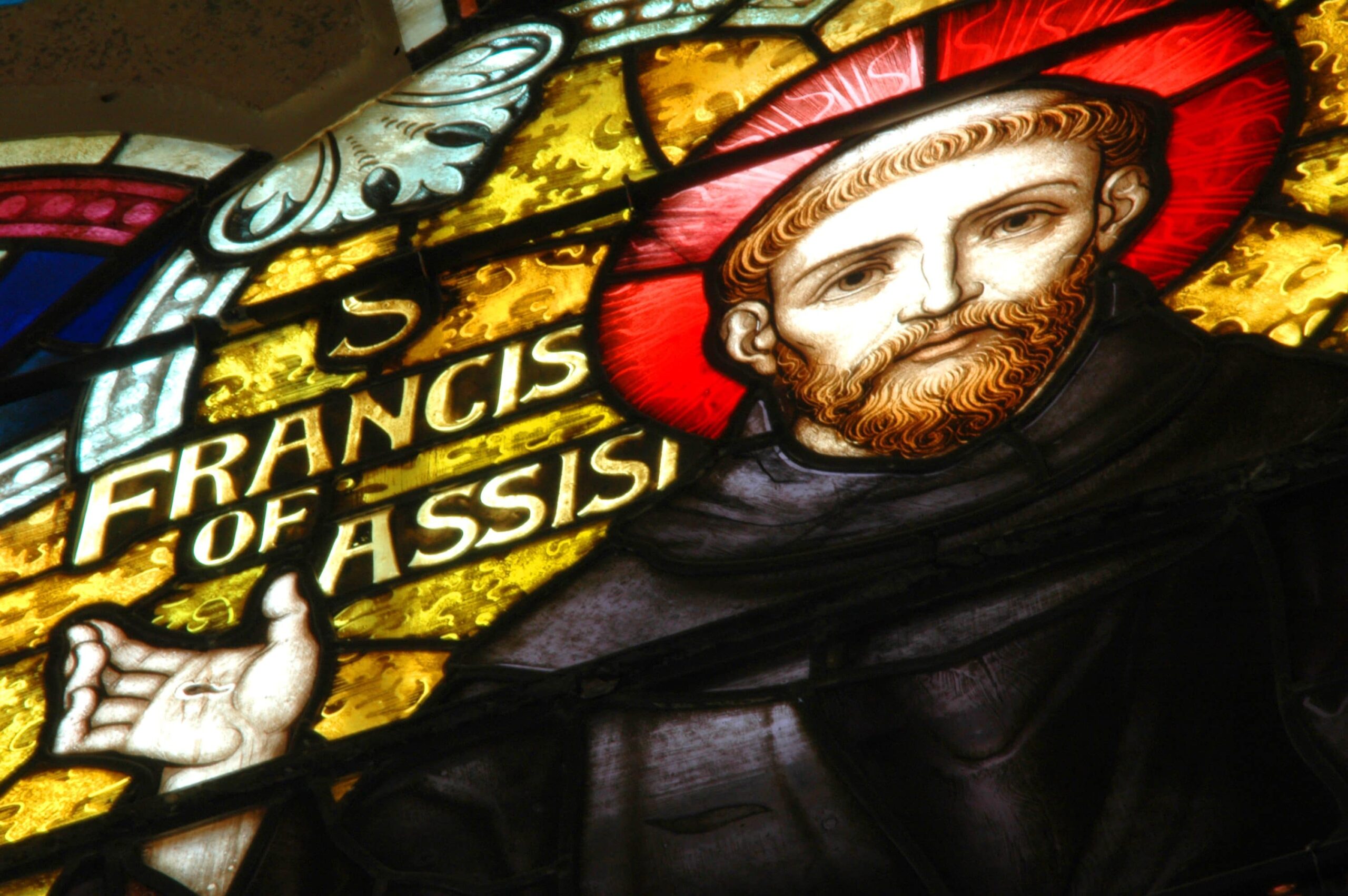
On 4 October, the day of St. Francis, it is a new national party: after being abolished in 1977 as it is not considered essential and downgraded to civil solemnity, the Senate gave the official green light to its reintroduction, thus bringing the number of Italian national holidays from 11 to 12. The new holiday will be effective starting from 2026, the year in which the 800 years are celebrated from the death of the patron saint of Italy. Next year, in reality, on October 4th it will fall on Sunday, already considered a holiday day: therefore, you will have to wait until 2027 to see a new day tagged red.
According to the technical report presents in Parliament, for the new holiday they will be allocated 10.6 million of euros, used to cover the expenses of the employees of the Public Administration, finance the wages of the workers of the National Health Service (who will receive an increase being a holiday day) and pay the extra hours that the members of the police will have to carry out.
San Francesco d’Assisi returns a national party from 4 October: what changes and since
On October 4th it will become part of this list starting from 2026: next year, however, the day of San Francesco falls on Sunday, which is why we will have to wait until 2027 before finding a new day marked in red in the calendar.
According to the bill approved in the Senate, on 4 October it will also be considered “day of peace, fraternity and dialogue between members of different cultures and religions”.
From 2026, the number of national holidays will first change, i.e. those marked in red in the calendar: at the moment, the Italian state recognizes 11 holidays (intended to go up to 12). In particular, these are:
- January 1: New Year
- January 6: Epiphany
- April 25: Liberation from NaziFascism (1945)
- Easter Monday: variable date
- May 1: Labor Day
- June 2: Republic Day
- August 15: Assumption of Mary
- November 1: All Saints
- December 8: Immaculate Conception
- December 25: Christmas of Jesus
- December 26: Santo Stefano
To these are also to be added every Sunday and local holidays for the patron saint of each city.
Because the festive of Francesco d’Assisi had been abolished and the costs for reintroduction
In reality, on 4 October it was in fact considered as a national party until 1977, the year in which the Italian government decided to eliminate some holidays not considered essential for reasons of “productivity”. Law 54 of 1977, among other things, abolished Epiphany (6 January – then restored in 1985), in addition to the day of San Giuseppe (19 March), the ascension (40 days after Easter), the Corpus Domini (60 days after Easter) and the day of San Pietro and Paolo (29 June).
Clearly, since it is a national holiday, employees who work in the private sector will also be entitled to one more holiday, paid as a working day: for those who will still have to work, however, there is a salary increase based on the provisions of the CCNL (National Work Collective Agreement) of your sector.
To cover the costs of the new national party, the technical report presented in Parliament provides for the allocation of 10.6 million euros to finance extra wages: 8.7 million will be intended for workers of the National Health Service, while 1.8 million Euro will go for the extra hours of work for police, armed forces and firefighters.
When patron saint of Italy was proclaimed
Francesco d’Assisi, born in 1181 and died in 1226, was an Italian religious and poet, sanctified in 1228 by the Catholic Church. He broke up of all his wealth to follow an ideal of Pauperistica life and founded the order of the Friars Minor: also for this reason, it is often known as the “Poverello” of Assisi. St. Francis was also an author of literary texts: the rules of the order, some letters and various prayers and praise of the Lord. But his most famous work is certainly the Canticle of Creatures (also called Cantico di Frate Sole and Sister Luna), considered the first work of Italian literature.
In 1939, Pope Pius XII proclaimed him patron of Italy (precisely because his canticle made him one of the fathers of Italian language and literature) together with Caterina da Siena and in 2013 Jorge Mario Bergoglio, elected Pope, chose to be called Francesco in honor of the saint. In 2026 the 800 years after his death, which is why the national holiday will be introduced starting next year.