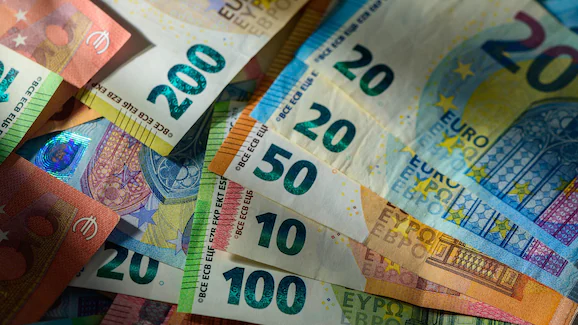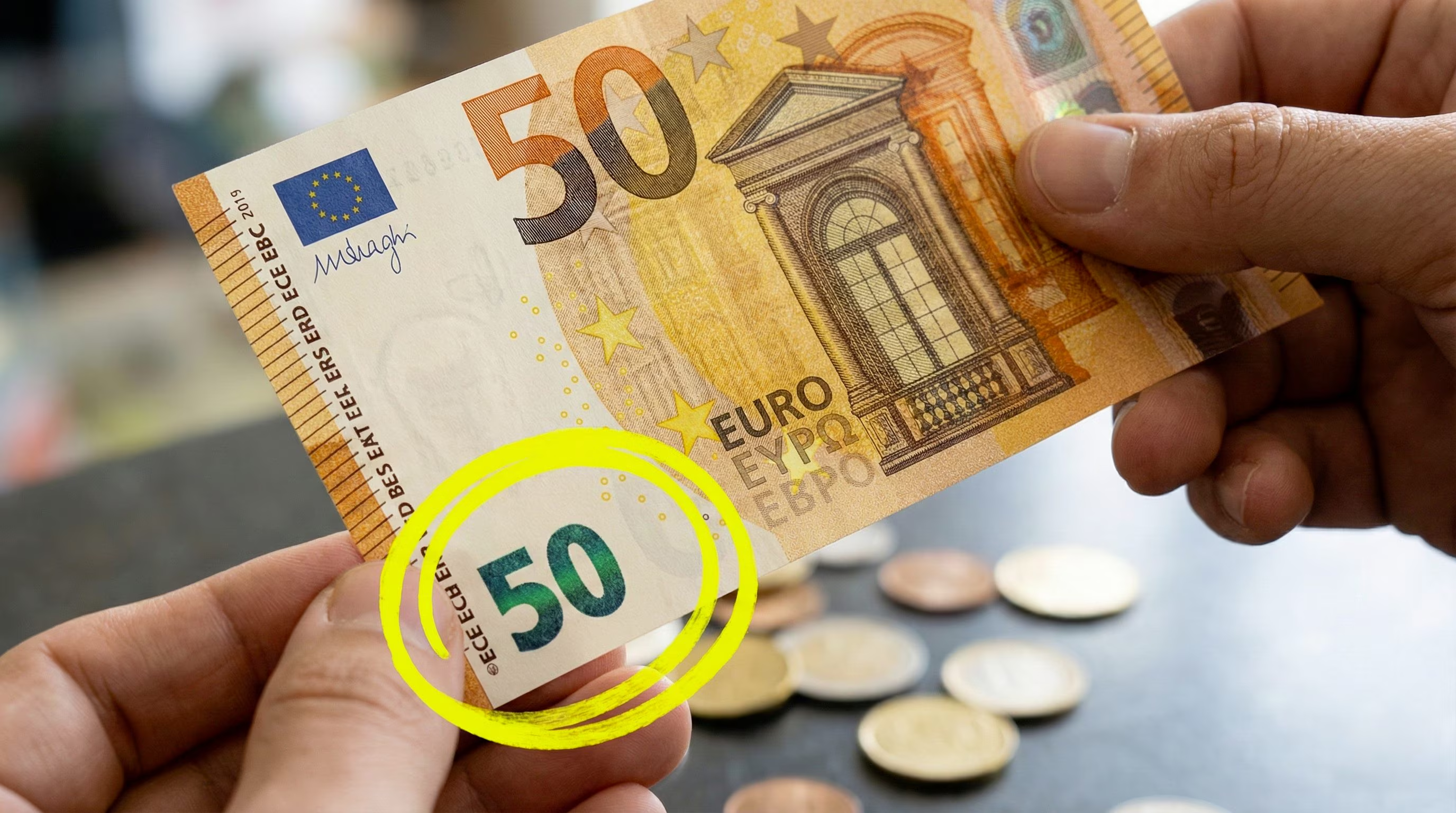
Reports of fake 50 euro banknotes have been increasing in recent days, with numerous reports arriving mostly from the city of Pescara. The problem, in reality, is not new: according to what was reported by the Bank of Italy, in 2024 alone, 121,111 banknotes were withdrawn from circulation and recognized as fake in Italy, of which 87% were made up of counterfeit denominations of €50 and €20.
But how is it possible to immediately recognize a fake banknote from an authentic one? To protect European citizens, the European Central Bank has developed a series of guidelines, listing all the visual and tactile elements to take into consideration when trying to evaluate the authenticity of cash. In case of doubt, it is always possible to go to a bank branch to have the banknote checked by the National Analysis Center (CNA).
How to recognize a fake 50 euro banknote: from touch to watermark
The European Central Bank has published a series of guidelines to be able to recognise, based on their unique characteristics, fake 5, 10, 20, 50, 100, 200 and 500 euro banknotes. In the case of the €50, there are 6 elements to evaluate, first of all the consistency of the banknote: the paper of the banknotes, in fact, is produced with pure cotton fibers and therefore has a certain rigidity and, above all, a clear sound when handled, very different from the sound of normal paper.
At the same time, it is necessary to check the elements printed in relief, given that the intaglio printing, used for the main image and for some areas on the front of the banknotes, creates a perceptible effect.
In short, touch is the first test that must be carried out in case there are doubts about the authenticity of a banknote. Next comes the visual analysis and, in this case, the ECB recommends checking the presence of these 4 characteristics:
- The transparent design (watermark), or the design that can be seen in the white part when looking at a banknote against the light, which is obtained by varying the thickness of the paper.
- The security thread, which is embedded in the banknote paper. When held against the light, it will appear as a dark line on which the word “EURO” and the figure indicating the value (“50”) in microwriting can be read.
- The holographic plate: by moving a banknote, the image visible on the holographic plate should change depending on the inclination, making the figure indicating the value or the main design appear.
- The value of the banknote written in a changing colour: by moving a banknote, the figure indicating the value (reproduced on an area of the back) will change colour, going from purple to olive green or brown.
A final check can also be carried out using an ultraviolet light source. In this case:
- The paper must not become fluorescent.
- The fluorescent fibrils embedded in the paper should become visible in red, blue and green.
- The background and stars of the European Union flag (reproduced on the front) appear green and orange respectively.
- The signature of the President of the ECB appears in green.
- The large stars and circles printed in the center become fluorescent.
- The map, bridge and nominal value figure on the back appear in yellow or green.
In short, the best method is the one called «TOUCH SEE MOVE», which does not require particular equipment or professional personnel.
What to do if you receive a fake banknote
But, at this point, what should we do if we receive a banknote suspected of being counterfeit? As reported by the Bank of Italy, anyone who has doubts about the authenticity of a banknote in their possession must not attempt to spend it – because this would be committing a crime – but can have it examined by employees at the counters of banks, post offices or branches of the Bank of Italy. The ticket is then collected and sent to the National Analysis Center (CNA), which verifies it.
At this point, if the banknote is authentic, the user gets a full refund. On the contrary, if the National Analysis Center were to ascertain that it is counterfeit, the banknote will be destroyed and the citizen will not receive any reimbursement, but will not incur any criminal consequences for possessing counterfeit cash.