The Government excludes the possibility of a corrective measure and is concentrating on containing the cost of energy, also through dialogue with the European Union.
The line was reiterated by Palazzo Chigi and the Ministry of Economy, after the declarations of Deputy Prime Minister Tajani which had opened up the possibility of a new intervention on public accounts. Instead there will be no corrective action.
The Government’s energy plan
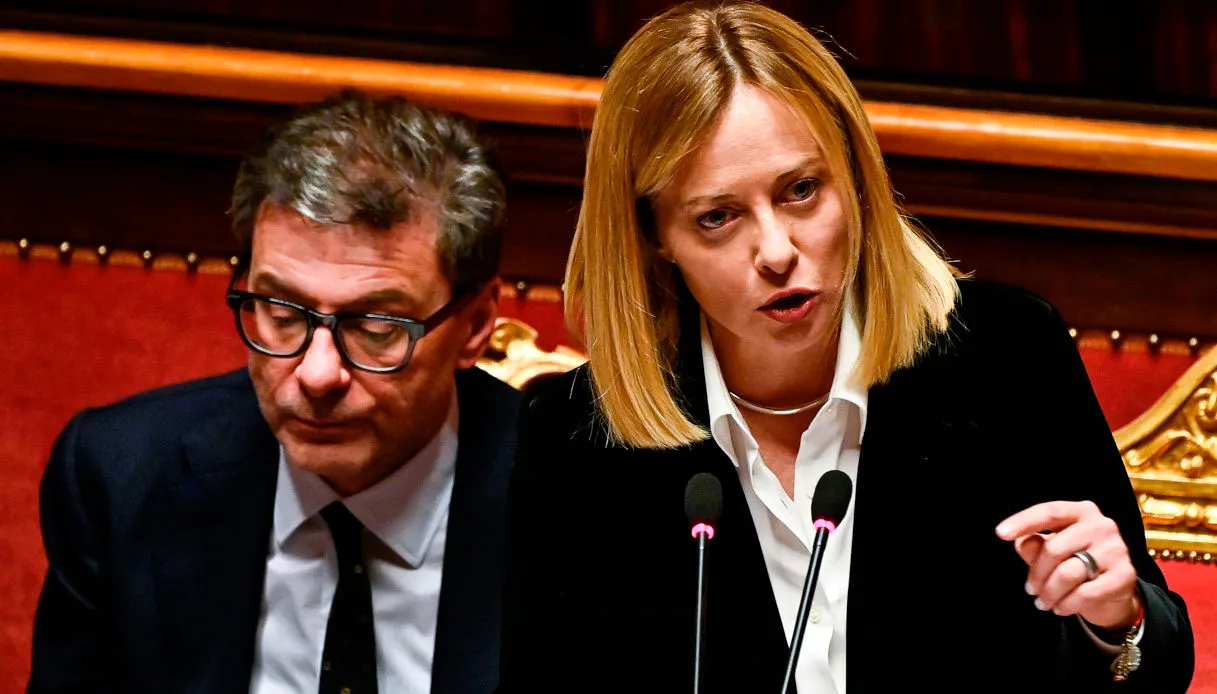
The objective for Prime Minister Meloni remains that of supporting families and businesses affected by the increase in energy costs, without changing the structure of public finance balances.
The Government is working to present a proposal to the EU to extend the use of flexibility clauses also to energy-related expenses. Such clauses are already foreseen for exceptional situations, especially regarding defense spending. Meloni now aims to also include interventions against high energy prices.
The focus is on the 14.5 billion Safe community funds, initially intended for defence. Italy’s plan aims to divide the 1.5% of GDP expenditure allowed by Brussels between energy and defense, a figure that corresponds to approximately 32-34 billion euros distributed over four years.
If the international scenario were to stabilize, Italy would be enough to obtain a dozen of them to mitigate the economic impact of the crisis.
Only at the end of the discussion with the EU will it be assessed whether to activate the national safeguard clause to increase internal expenditure.
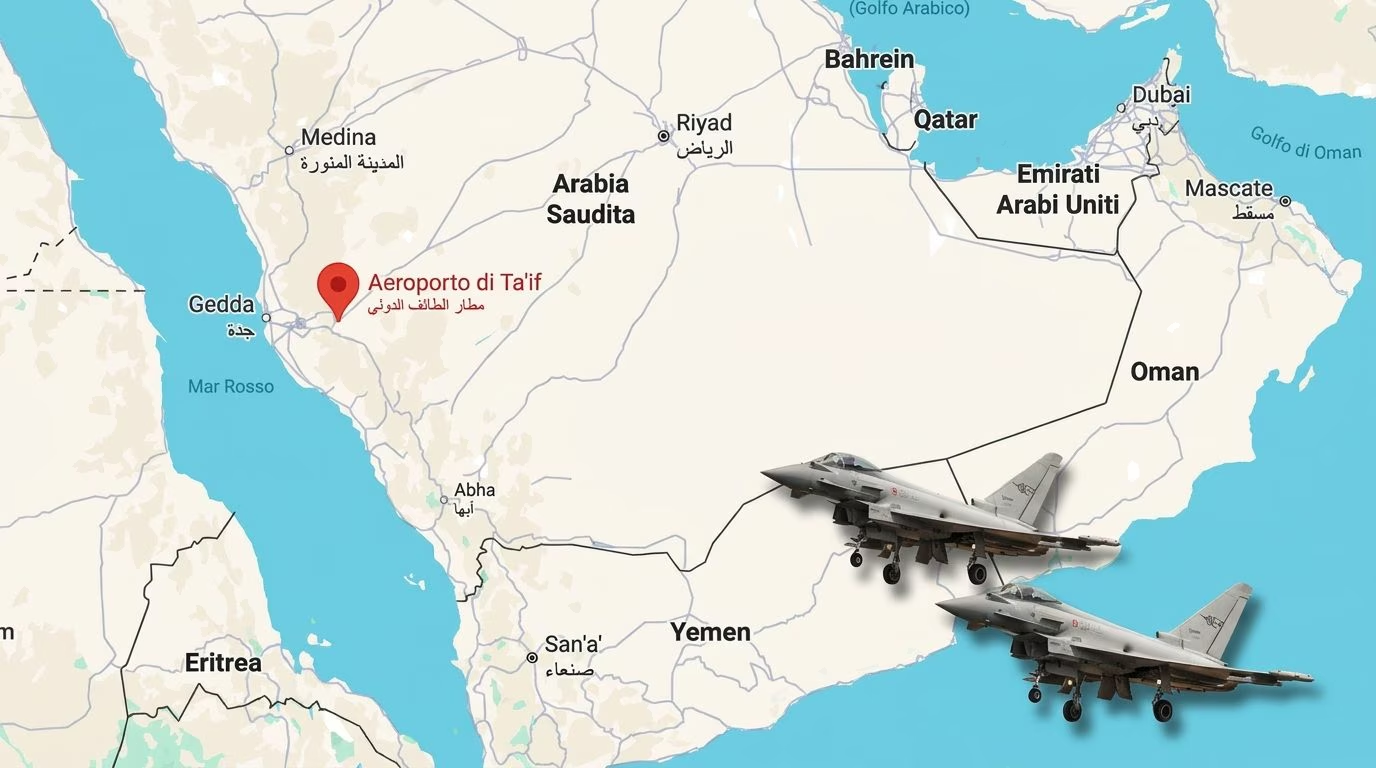
Prime Minister Meloni confirmed compliance with the commitments made at international level, which provide for defense spending to reach 5% of GDP by 2035. But at the same time she underlined the need to acknowledge that the global context has changed compared to when the agreement was signed. The agreement in fact precedes the Israel/US and Iran war and the crisis in the Strait of Hormuz, through which a fifth of the world’s oil passes, as well as gas and other strategic resources. Hence the attempt to negotiate at a European level.
Excise duty cuts due
In the background is the issue of cutting excise duties on fuel, which expires on May 22nd. The measure, extended several times, has been in force since March 19 and has been remodeled to further reduce the price of diesel. Given its cost of over one billion, and only partly mitigated by the extra VAT revenue, it is not certain that the Government will be able to replicate it for much longer.
And the government is also worried about the unrest announced by hauliers, who have been heavily affected by expensive diesel fuel. The trade unions have called a strike from 25 to 29 May. And the Government has convened a table for May 22nd in an attempt to find mediation and avoid the blockade of road transport.
The issue of public debt
Complicating the picture is the public debt situation: data released by Bank of Italy certify that in March the public administration debt increased by 19.5 billion compared to the previous month, amounting to 3,158.8 billion. A situation that makes it difficult to find internal resources.
Return to nuclear power
Looking to the long term, Meloni is also aiming for the return of nuclear power to Italy: an enabling law is expected by the summer.