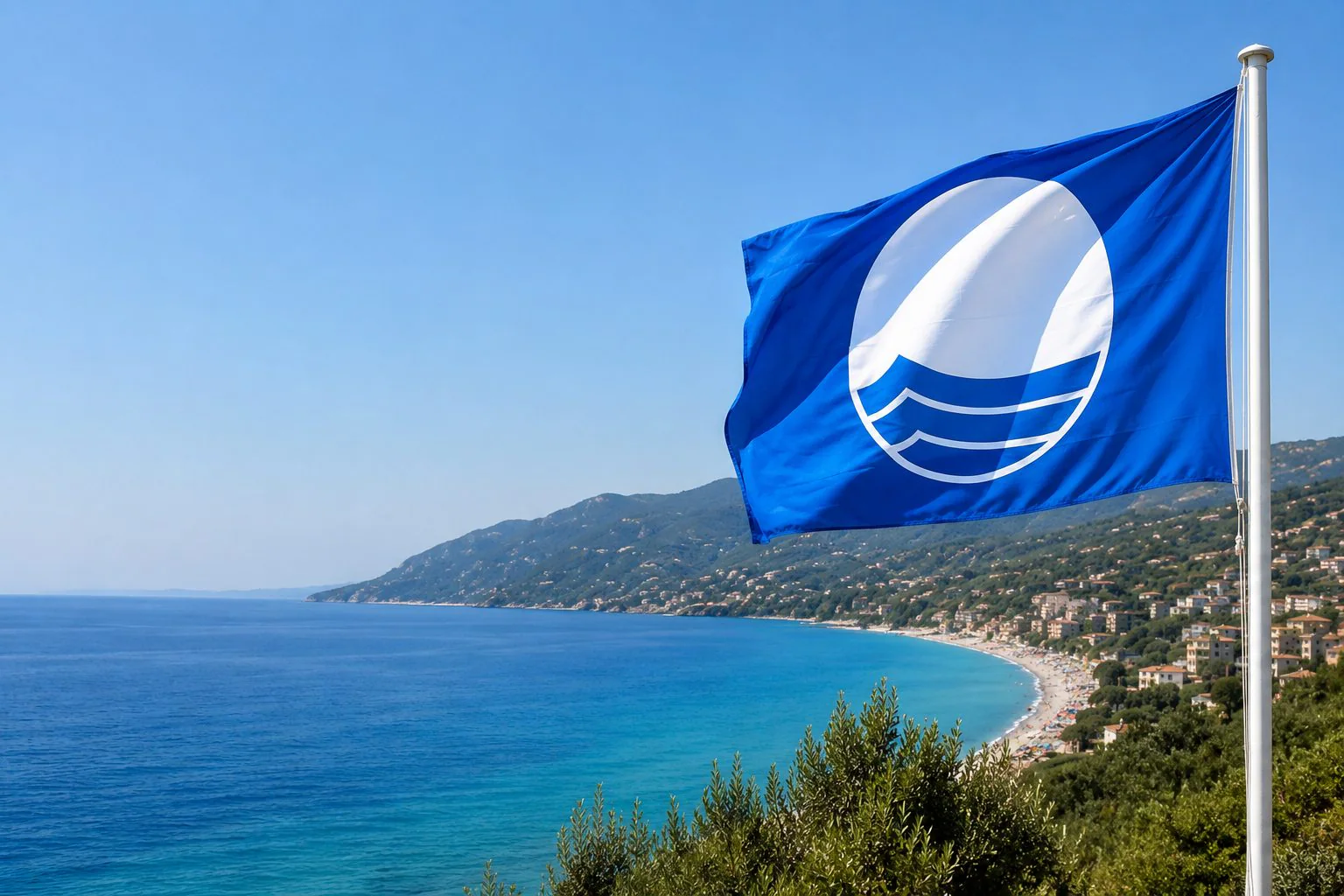
This year in Italy there are 11 more Blue Flags: the Italian Municipalities that have obtained the recognition are in fact 257 compared to 246 last year, for a total of 525 beaches (11.6% of the Blue Flag beaches awarded worldwide!). There are 14 new entrances and 3 exits, and the lake Blue Flags have risen to 23. The region with the record is Liguria.
The international recognition is awarded to the seaside and lakeside resorts of 50 European and non-European countries and to the tourist ports with the best water, environment and services, every year, by Foundation for Environmental Education (Fee), an international NGO based in Copenhagen, since 1987, the European Year of the Environment. The Fee assigns them to seaside tourist resorts that respect criteria relating to sustainable land management, with the support and participation of the two UN agencies: UNEP (United Nations Environment Programme) and UNWTO (World Tourism Organisation).
The ranking of Italian regions: the complete list
This year, the Italian record was held by Liguria, with 35 Blue Flags (with 359 km of coastline), while at the bottom of the ranking is Molise, which has just 2 (with 35-36 km of coastline). The Blue Flags on the lakes have risen to 23, with the entry of a new lakeside municipality.
- Liguria: 35 (2 new entries)
- Puglia: 27 (2 new entries and 2 exits)
- Calabria: 27 (4 new entries)
- Campania: 20
- Marches: 20
- Tuscany: 20 (1 new entry)
- Sardinia: 17 (1 new entry)
- Sicily: 16 (2 new entries)
- Abruzzo: 16
- Trentino-Alto Adige: 12
- Emilia Romagna: 11 (1 new entry)
- Lazio: 10 (1 outing)
- Veneto: 9
- Basilicata: 5
- Piedmont: 4
- Lombardy: 4 (1 new entry)
- Friuli-Venezia Giulia: 2
- Molise: 2
The 14 new Blue Flags of 2026: where they are found in Italy
This year there were 14 new entries to the list:
- in Lombardy: Limone sul Garda (Brescia), the new lakeside municipality;
- in Emilia Romagna: Rimini; in Liguria Andora (Savona), Taggia (Imperia);
- in Tuscany: Monte Argentario (Grosseto);
- in Sardinia: Teulada (Sulcis Iglesiente);
- in Puglia: Morciano di Leuca (Lecce), Tricase (Lecce);
- in Calabria: Amendolara (Cosenza), Montegiordano (Cosenza), Falerna (Catanzaro), Locri (Reggio Calabria);
- in Sicily: Ispica (Ragusa), Lipari (Messina).
Three municipalities however lost recognition this year: San Felice Circeo (Latina), in Lazio; Patù (Lecce) and Castrignano del Capo (Lecce), in Puglia.
The criteria for awarding the Blue Flag
As can be read on the Fee website, one of the main pillars of the Blue Flag program is education about the environment and sustainability, with initiatives aimed at raising awareness of sustainable development in fresh waters, marine areas and on boats.
The criteria for awarding the Blue Flag are:
- absolute validity of the bathing waters, found to be excellent on an evaluation of the last 4 years, and regular water sampling carried out during the summer season;
- efficiency of wastewater purification and sewerage network;
- separate collection and correct management of hazardous waste;
- vast pedestrian areas, cycle paths, well-kept street furniture, green areas;
- beaches equipped with all services and lifeguard personnel, removal of architectural barriers; large space dedicated to environmental education courses;
- publication of data on bathing water;
- hotel facilities, public health services, tourist information, updated signage;
- environmental certification of institutional activities and tourist facilities present in the municipal area;
- presence of fishing activities well integrated into the context of the seaside location.