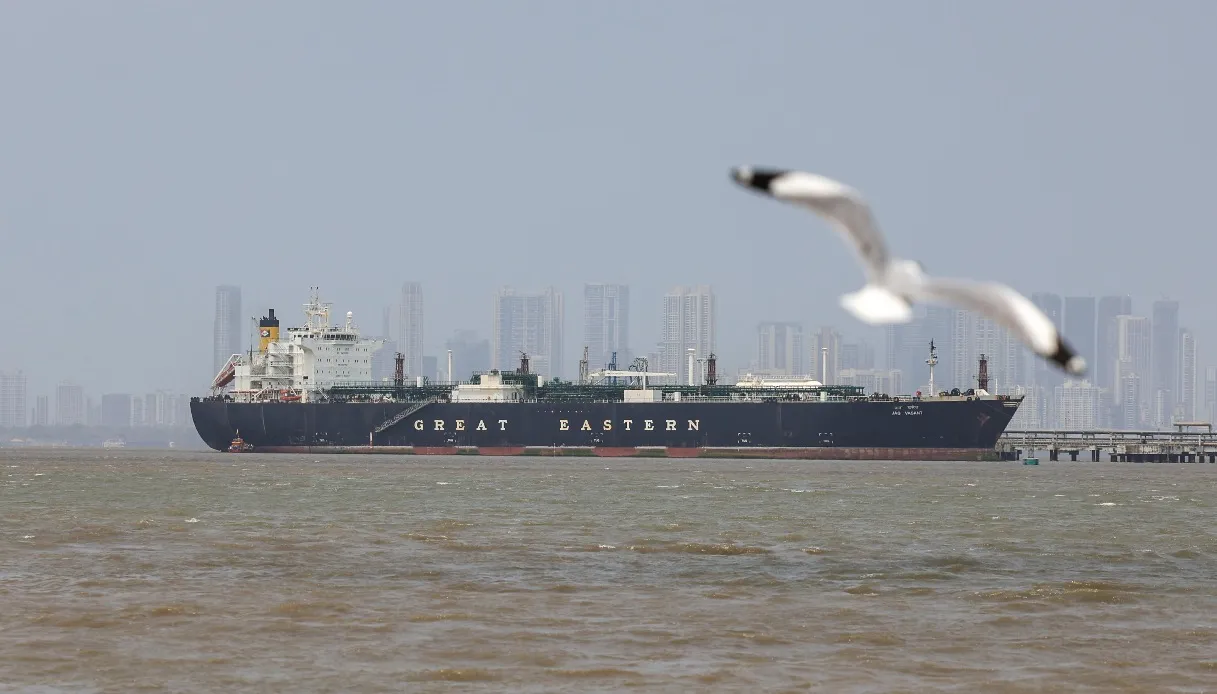
The latest news from the Middle East signals a truce in the conflict and the possible resumption of energy and goods flows through the Strait of Hormuz. However, timeless themes such as diversification, defense and discipline remain central to our investment analyses. Invesco takes stock through commentary from investment experts analyzing the implications of geopolitical risk and high energy prices for their asset classes.
Markets and the Middle East, what impact on asset classes
The situation in Iran and, in general, in the Middle East has consequences for Asia and emerging market economies. The Strait of Hormuz represents a crucial artery for the transport of oil and gas to Asia and is a key driver of energy prices. While rising energy prices benefit net energy exporters in emerging markets, the situation remains difficult for energy-importing Asian economies, with impacts on inflation and the economic environment, explain Ian Hargreaves and William Lam, Co-Heads of Asia and Emerging Market Equities at Invesco, underlining that the oil market, which has gone from oversupply to a situation of limited supply, influenced by bottlenecks, is a reminder of how quickly narratives can change. For us, the lesson is the importance of maintaining diversification and flexibility, through exposure to different geographies, styles and themes. But also to remain disciplined by targeting new undervalued opportunities as conditions evolve.
To date, our Asian and emerging market portfolios are exposed to the energy sector and net energy exporters, while maintaining a significant underweight to net energy importers (India, Taiwan, Korea) where we believe valuations reflect excessive optimism. However, while energy stocks outperformed technology stocks by nearly 20% in March, the current picture appears more mixed and stock selection continues to be crucial.
Global stocks
For Siddarth Shah, Client Portfolio Manager at Invesco, in March there was a sharp return of fear and volatility following the attack by the United States and Israel against Iran and the subsequent closure of the Strait of Hormuz. The spike in oil prices above US$120 has reignited concerns about inflation and interest rate volatility, leading to widespread selling in cyclical sectors and aggressive buying of energy stocks. The stark contrast between rapid de-escalation and prolonged turmoil was a reminder of how quickly market conditions can change when geopolitical risks re-emerge.
The focus during the period was on resilience rather than trying to predict the future course of events. A diversified approach focusing on high-quality companies with strong balance sheets and established management teams has been maintained. Activity was measured rather than reactive. Exposure to oil was reduced where share prices began to price in higher-than-expected long-term prices, while exposure to some areas of the AI and semiconductor sector was reduced where valuations and positioning became more stretched and the risk of capital misallocation increased.
Looking ahead, we believe companies with durable competitive advantages represent the most attractive opportunities, particularly those with unique data assets that can benefit from AI without requiring large capital investments. More generally, recent events reinforce the need for diversification and flexibility. Both the geopolitics and scale of the AI investment cycle point to a broader range of possible outcomes, meaning that careful risk control, capital allocation discipline, and a willingness to adapt will be key to navigating the phase ahead.
European stocks and bonds
Bond markets have become focused on the inflationary implications of an energy supply shock, according to Alister Brown, Senior Client Portfolio Manager at Invesco. Therefore, interest rate expectations have moved significantly higher, resulting in a sharp increase in government bond yields. Government bonds sold off immediately, reflecting the view that inflation and higher interest rates posed a greater threat than weaker growth, with little sign of a traditional flight to safety. Since then, government bond markets have remained highly volatile. In contrast, so-called risky assets have been more resilient. While stock and bond markets weakened somewhat, especially as the conflict continued, the overall decline was relatively small. Credit spreads have widened but not that significantly.
Credit risk was selectively increased during market weakness, with additions concentrated on popular issuers, where prices were distorted and supply was plentiful. Some of these positions were already under pressure before March, including sectors hit by AI-related disruption earlier in the year, such as consumer technology and data-related stocks. Other exposures were acquired on an idiosyncratic basis. Overall equity exposure declined along with the market, but was increased slightly during the subsequent decline. Duration remains fundamentally unchanged.
Overall, this context outlines a weaker macroeconomic picture compared to the beginning of the year. Inflation remains high enough to make government bonds and duration ineffective hedging instruments in risk off phases. However, central banks are likely to increasingly look beyond the inflationary shock, focusing on a weaker growth environment, especially given that labor markets were already showing signs of weakening before March. This is a different situation than the post-Covid inflationary period of 2022-23. A further upward cycle is currently not expected. Overall returns appear attractive, although credit spreads remain relatively tight.