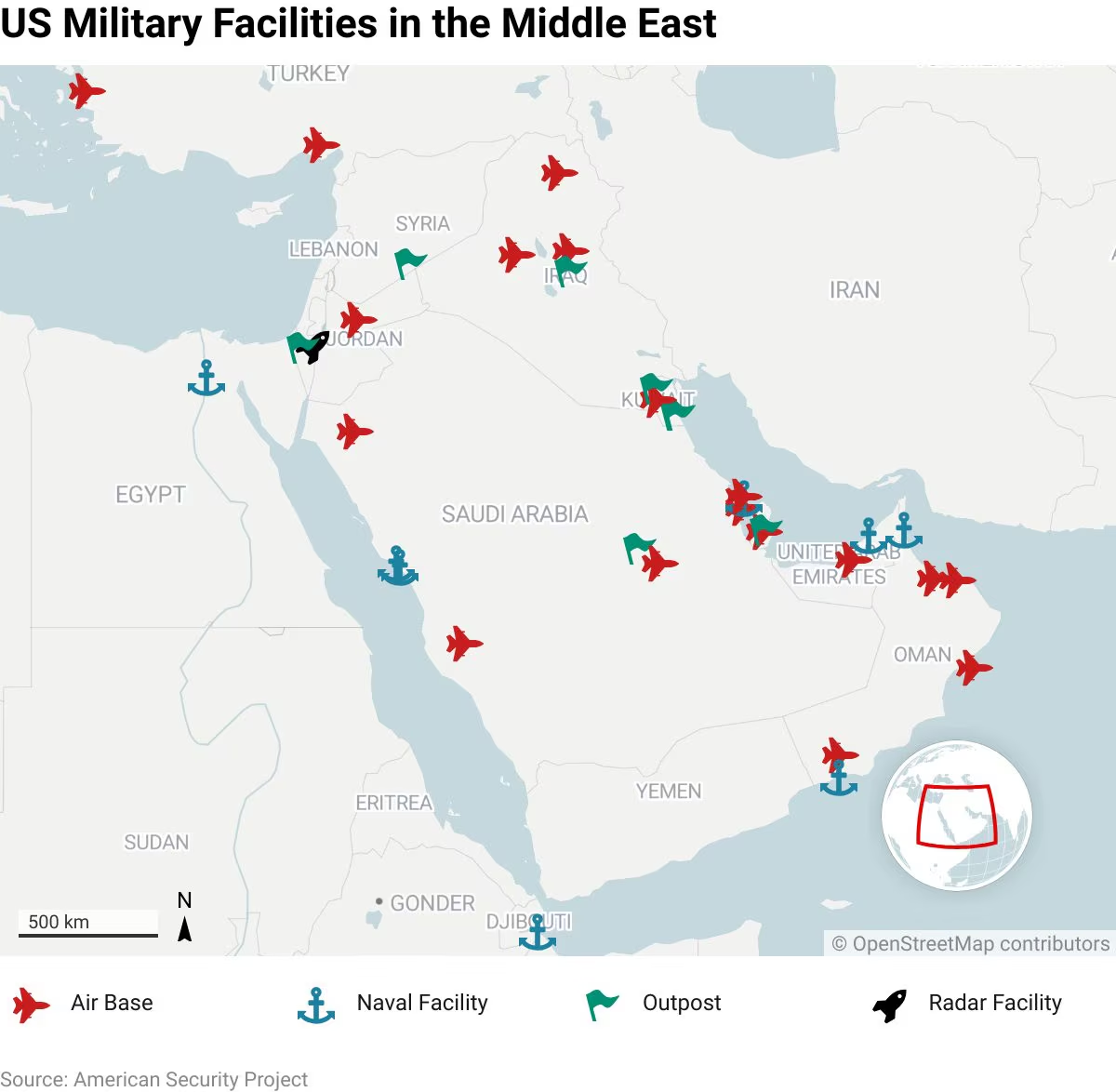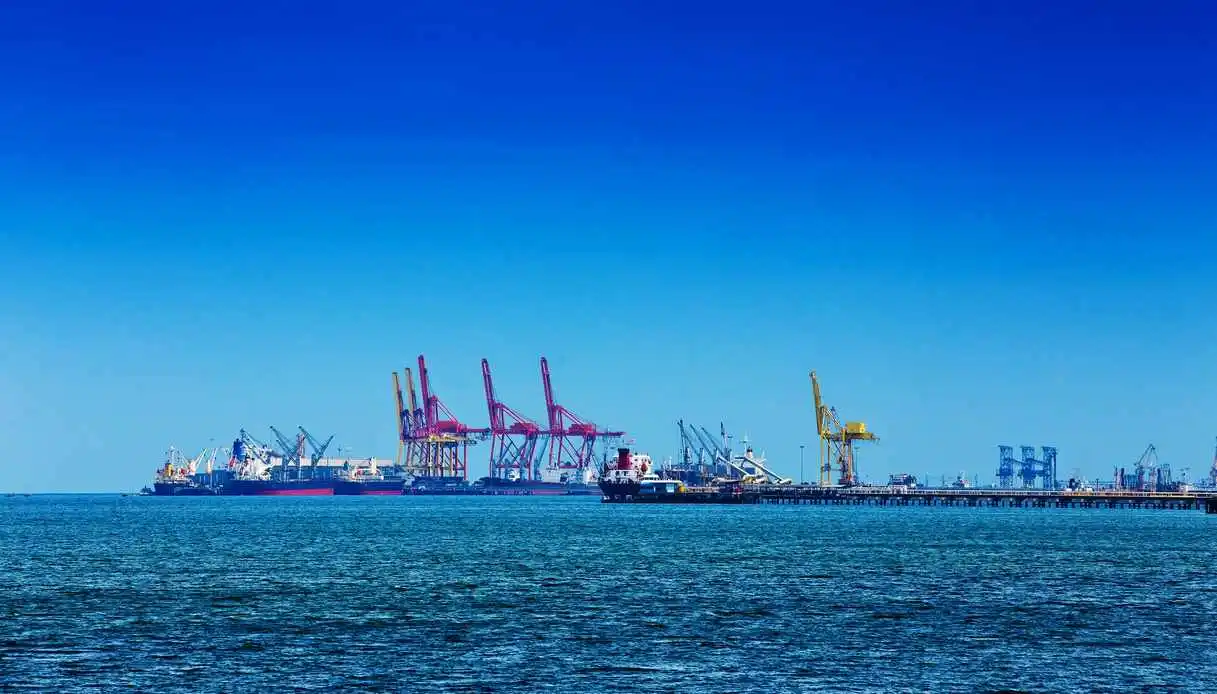
Oil returns to the center of the financial scene and reopens the inflation dossier. After the new tensions in the Gulf and the return of attention to the Strait of Hormuz, Brent returned towards 80 dollars a barrel, erasing in a few days the more relaxed reading that had formed after the OPEC+ move to increase production.
The movement does not only affect the price of crude oil. The market is recalculating the risk premium on energy supplies, at a time when the Hormuz route remains one of the most sensitive passages for oil and gas. Even without an actual closure of the Strait, the mere increase in instability is enough to push traders to incorporate higher risk into quotes.
Asia positive thanks to chips, but the rise in crude oil slows down optimism
The Asian market offers a more complex interpretation. On the one hand, the region’s indices rose thanks to the rebound in semiconductors. The recovery of Samsung and SK Hynix supported Seoul, while Tokyo benefited from a return of buying after some weaker sessions. The topic of artificial intelligence therefore remains an important driver of stock sentiment.
On the other hand, the rise in oil prices limits the scope of the movement. A recovering Asia thanks to chips is not enough to erase fears about energy, inflation and yields.
This combination is also relevant for Europe. The rebound in tech can support the tone of the stock markets, but high oil weighs on inflation expectations and bonds. The day therefore opens with two opposing forces: on the one hand the rally in chips, on the other the return of energy risk.
China, producer prices at highs: new signal on costs
A signal not to be underestimated is also coming from China. Producer prices rose to their highest in almost four years, indicating that industrial cost pressures have not disappeared. The data fits into a particular context: on the one hand, advanced manufacturing and exports linked to AI, electronics and green technologies continue to show strength; on the other hand, domestic demand remains weak and limits the ability of companies to pass costs on to consumers.
For European markets, the Chinese data matters because it anticipates possible pressures along global supply chains. Energy, metals, electronics and components are areas that directly impact the margins of industrial companies. If production costs start to rise again in China, the issue may have an impact on import prices, European manufacturing and the strategies of exporting companies.
The risk is not necessarily a new generalized flare-up of inflation, but greater cost rigidity.
ECB, BTP and utilities: why the inflation risk weighs on Italy
The rise in oil has a broader impact on the Italian market. If energy returns to push inflation expectations, the ECB may also find itself with less room to soften monetary policy. The problem is not just the price of petrol or diesel, but the effect on production costs, logistics and the expectations of businesses and families.
For BTPs the channel is that of global returns. If Treasuries and international bonds incorporate more inflation risk, Italian debt may also come under pressure, with effects on the spread and the cost of financing.
Fed divided on rates, the minutes reopen the inflation issue
The rise in oil comes at a difficult time for the Federal Reserve. The minutes of the latest meeting show a central bank divided on the path of rates and increasingly attentive to the risks of inflation. Some members had already seen conditions for a hike in June, although the committee ultimately chose to leave the cost of borrowing unchanged.
The central point is that the Fed no longer looks only at the labor market. The US central bank must evaluate a more complex combination: recovering energy prices, higher industrial costs, demand linked to artificial intelligence and still sensitive inflation expectations. The result is a less predictable monetary policy.
For the markets, this means that the issue of rate cuts or stabilization remains far from a definitive solution.
Markets between energy, chips and central banks
July 9th presents the markets with a more complex map than in previous sessions. The chip rally supports Asia and confirms the weight of artificial intelligence on global stock markets, but oil close to $80 brings energy, inflation and central banks back to the fore.
For European investors the point is to understand which force will prevail: the push of technology or the brake on returns. If Brent remains high and the Fed maintains a restrictive tone, the market will have to review expectations on rates, BTPs and sectors sensitive to the cost of capital. If, however, the rise in crude oil prices diminishes, the focus can return to profits, growth and macro data.