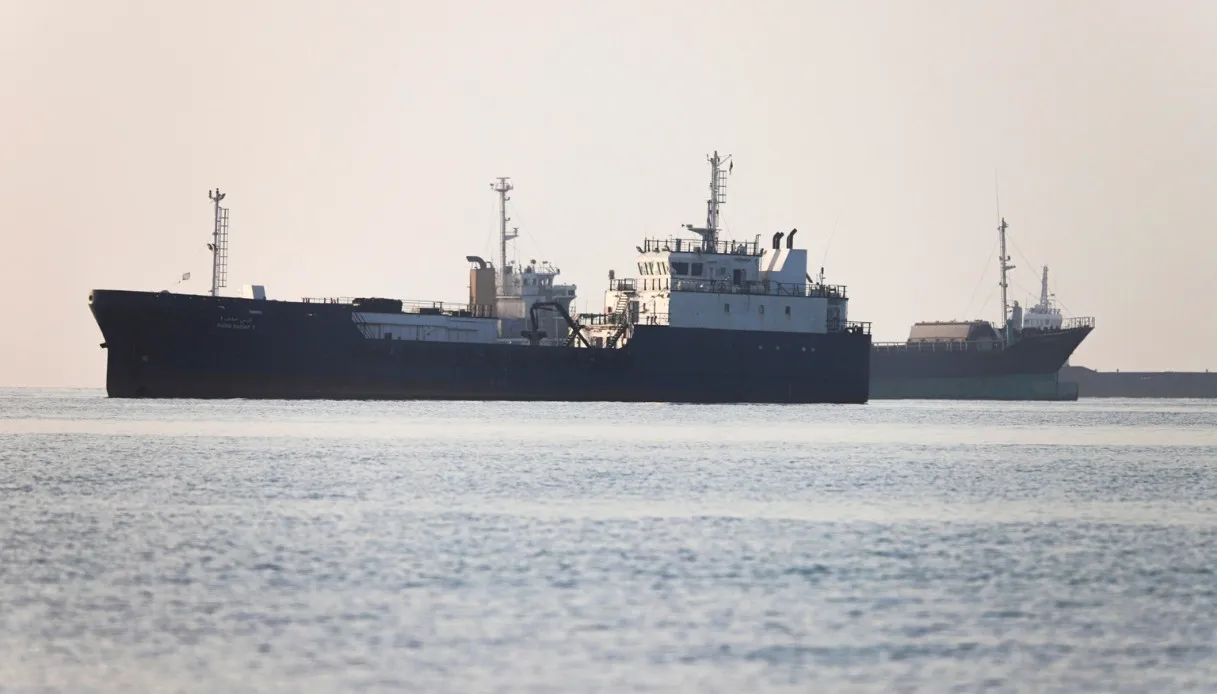
Energy markets are shaking again due to the Strait of Hormuz. With the new escalation between the United States and Iran in the Gulf, the price of European gas has risen to around 50 euros per megawatt hour. The ghost of energy vulnerability has returned to Europe, which seemed to have moved away from our radars.
A delicate situation to say the least, needless to say, with the Strait being one of the most critical choke points in the entire global energy system. It is just 33 km long in its narrowest area, but approximately 20 million barrels of oil and a significant quantity of LNG (liquefied natural gas) pass through it every day. In fact, it is estimated that around 30% of global trade (oil/energy) passes through the corridor between Iran and Oman.
This explains why any threat of closure immediately translates into market tensions. Not a first, with the scenario already occurring in 2019, 2012 and the 1980s (tanker war). The only constant in all this is the reaction of the markets, always immediate and violent.
European gas returns above 50 euros
Trump’s words made an extremely complex situation official. Tensions in the Persian Gulf have caused European natural gas (TTF) prices to skyrocket to around 50 euros per megawatt hour (MWh). The reference is to the Amsterdam TTF contract (European reference for natural gas). A level that has not been seen for several months and which has rekindled concerns for families and businesses.
Looking to the past, so as to better understand the current situation, the 2022 energy crisis had seen the Ttf reach peaks above 300 euros/MWh. Prices then gradually fell, thanks to:
- filling of storage;
- diversification of supplies;
- mild winter temperatures.
Everything then stabilized around 30-40 euros during 2024 and 2025. The current leap, therefore, represents a clear alarm signal, even if we are far from the historic highs recorded in the past.
Because Europe still depends on the Strait of Hormuz
2022 has taught Europe a lot, but not enough. When Russia cut gas supplies via pipeline, the Old Continent accelerated its energy diversification. We therefore focused mainly on LNG, imported by ship from the United States, Qatar and other suppliers.
A choice which, however, has created a new dependence, that of global maritime routes, including the Strait of Hormuz. Qatar is among the largest exporters of LNG and passes a large part of its exports through the Strait.
In the event of closure or “problematic” weather, ships would be forced to circumnavigate the Arabian Peninsula. It is easy to understand how delivery times would increase, generating an increase in costs. Fewer supplies for Europe, therefore, with final prices rising.
The risk of energy inflation
However, the increase in gas prices is not just a problem for domestic consumers. Beyond our homes, in fact, we must take into account the risk of a cascading impact on the entire economy. In fact, electricity bills rise because gas is still the main fuel for power plants in many European countries. This means facing:
- increased industrial production costs;
- overall inflation accelerating again.
The European Central Bank could thus review its plans, retreating from the cycle of interest rate cuts that began between 2024 and 2025. For the financial markets, we thus return to having one word printed everywhere: caution.