The Houthis, a Yemeni armed group supported by Iran, is advancing in the south-west of the country and has conquered the island of Perim, in the Bab-el-Mandeb Strait. The formation then began preventing the passage of ships from Saudi Arabia, which supports the rival Houthi Yemeni government, in the strait.
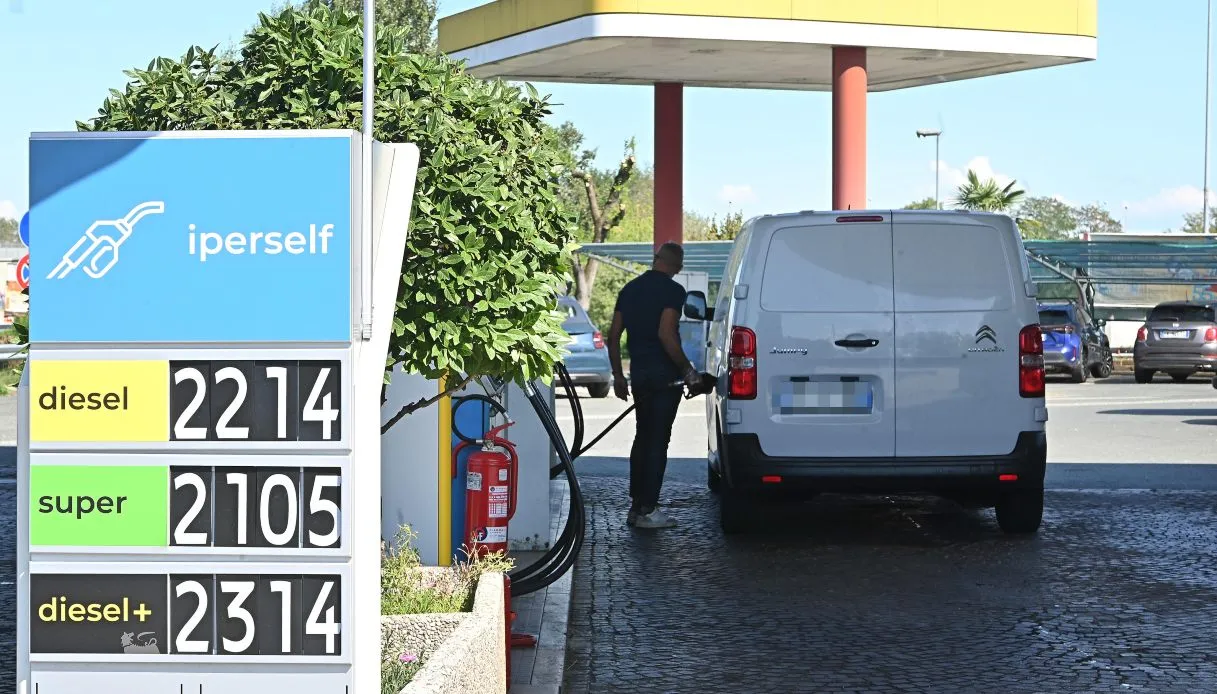
The result was a significant increase in the price of oil, with fuel prices starting to increase again despite the government’s decision to extend excise duty discounts. Italy is particularly exposed to these international tensions because it no longer has refineries to produce petrol and diesel and because fuel taxes are higher than in other countries.
Oil above 100 dollars due to the Houthis
The Houthis have taken control of the Bab-el-Mandeb Strait. A counteroffensive by Yemeni government forces, which was supposed to repel the Iranian-backed group and move them away from the south of the country, collapsed to such a level as to allow the Houthis to reach the Gulf of Aden and conquer the island of Perim, in the center of the strait.
It can therefore be assumed that the Houthis now control the passage through which 10% of global shipping trade passes. The price of oil immediately rose above $100 a barrel.
Saudi Arabia forced to block the pipeline
The Strait of Bab-el-Mandeb had become, especially for Saudi Arabia, an alternative to that of Hormuz, which had been closed for months due to the war between Iran and the United States. Riyadh can in fact exploit its East-West pipeline, which brings oil from wells on the Persian Gulf to the port of Yanbu. In 2025, 5 million barrels of oil per day passed through Bab-el-Mandeb, from the Red Sea to Asia. In the second quarter of 2026, 8.1 million passed through every day.
However, the Houthi advance may have already compromised this alternative. Saudi Arabia is the main enemy of the Houthis and is the reason why there still exists a Yemeni government different from that of Iran’s allies. The group imposed an embargo on Saudi ships passing through Bab-el-Mandeb and began attacking the East-West pipeline, forcing Riyadh to shut it.
How we arrived at diesel at 3 euros
The situation in Yemen is having a direct effect on fuel prices in Italy. At the end of August, on the motorway, the price of high-performance diesel had even exceeded 3 euros per litre. But the problem is not just oil. In fact, the Persian Gulf is equally important for already refined fuels.
In recent years, several refineries, which produced petrol and diesel from crude oil, have been closed in Italy. Polluting plants, often converted to other uses. A decision that forced our country to import the finished product. According to ECB research, the refining margin, the higher cost paid for fuels compared to crude oil, influenced the price of petrol and diesel. In particular, Italy had to discount margins:
- of 0.35 euros per liter on diesel;
- of 0.23 euros per liter on petrol.
Taxes expose Italy to higher prices
Regarding fuel, our country also has another problem: taxes. Taxation, including VAT and excise duties, accounts for approximately 43% of the price of petrol and diesel, well above the European average of 39.7%. For this reason it is relatively easy for fuels to reach very high prices, even 2.5 euros per litre, when increases in the price of the raw material arrive.