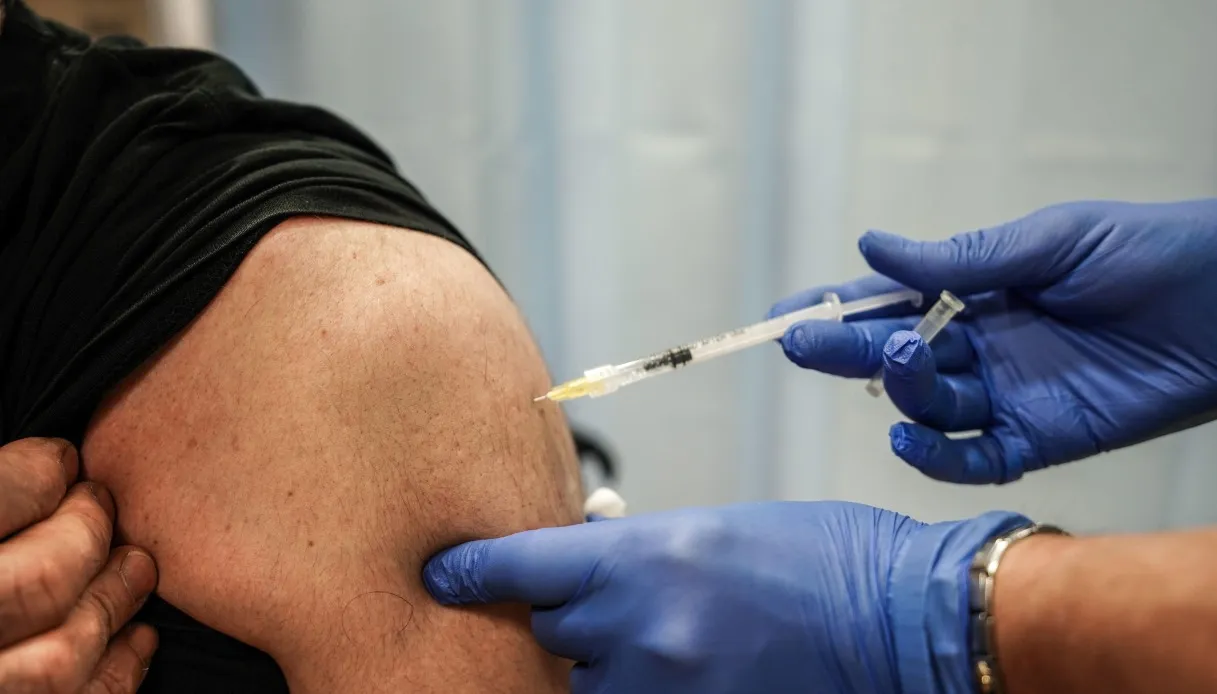
There are nine vaccines authorized for the 2026-2027 influenza campaign. The list was communicated by the Italian Medicines Agency (AIFA), after updating the composition of the products based on the recommendations of the World Health Organization and the European Medicines Agency (EMA).
According to the circular of 23 June 2026 from the Ministry of Health, the new vaccination campaign will start at the beginning of October. Vaccination is indicated for all people from 6 months of age, while the recommendation is aimed in particular at the categories most exposed to the risk of complications.
The nine authorized vaccines
The approved products are:
- Efluelda, produced by Sanofi, indicated for adults aged 60 and over;
- Fluad, Seqirus adjuvanted vaccine, indicated for adults aged 50 and over;
- Fluarix and Fluarix Tetra, produced by GlaxoSmithKline, indicated for adults and children from 6 months;
- Flucelvax, by Seqirus, indicated for adults and children from 6 months;
- Fluenz, produced by AstraZeneca, available as a nasal spray for children and adolescents aged 2 to 18;
- Influvac S and Influvac S Tetra, by Viatris, indicated for adults and children from 6 months;
- Vaxigrip, produced by Sanofi, indicated for adults, pregnant women and children from 6 months.
The choice of the most suitable vaccine depends on age, health conditions and the indications given in the product leaflet. It will then be up to the Regions, through supply tenders, to establish which vaccines will actually be available as part of the vaccination campaigns offered by the National Health Service.
Free vaccination, who deserves it
Vaccination is recommended and offered actively and free of charge to different categories of people. These include:
- people who have reached the age of 60;
- pregnant women and in the postpartum period;
- children from 6 months to 6 years;
- people with diseases that increase the risk of complications;
- guests of long-term care facilities;
- family members of people at high risk;
- doctors, healthcare workers and social care personnel;
- police forces, firefighters and other essential public service workers;
- workers in contact with animals potentially exposed to non-human influenza viruses;
- blood donors and other particularly exposed professional categories.
The Ministry of Health has indicated vaccination as a preventive measure for all people aged 6 months and older, recommending it in particular to risk categories who do not present specific contraindications. The 2026-2027 circular also lowered the reference age for recommending enhanced vaccines to 60 years.
When to get vaccinated
Regional campaigns are expected to begin in early October, the 40th week of the year. However, vaccination can also be carried out later, during the flu season, if the person is among those for whom it is recommended.
The indication remains valid also for those who have already had one or more flu-like episodes. Late vaccination may be useful if the flu season starts later than expected and for people considered at risk.
In pregnant women, vaccination protects the mother and allows passive protection to be transferred to the newborn, which accompanies it from birth until the first six months of life. Among the authorized vaccines, Vaxigrip is also indicated for pregnant women.
Prevention
According to Aifa, flu vaccines have been used for years and have a consolidated safety profile. Safety is monitored through the national pharmacovigilance network, with the involvement of the regional centres. The system collects and analyzes reports of suspected adverse reactions from citizens and healthcare workers. The data is shared with the EMA to ensure coordinated control at European level.
The concrete availability of individual products, booking methods and administration points may vary from one Region to another. For operational information it is therefore necessary to consult the regional health services, the family doctor or the pediatrician.