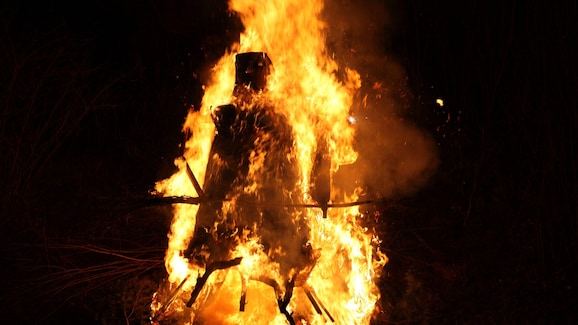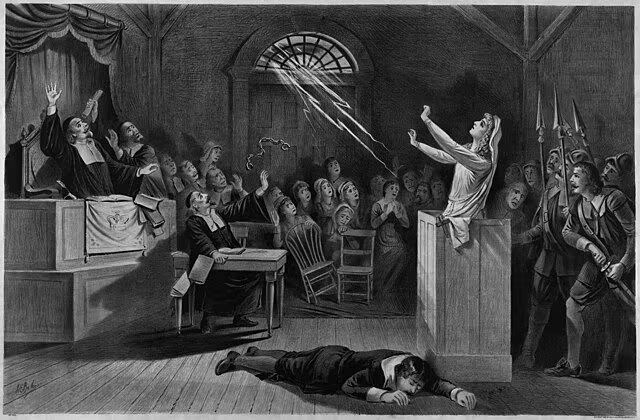
The Salem witch hunts are the series of trials and convictions that took place in 1692 in the then British colony of Massachusetts. The “hunt” began due to the unusual behavior of two little girls, attributed by doctors of the time to diabolical possession. The collective psychosis spread rapidly and within a few months almost 150 people were imprisoned. Nineteen of them, including fourteen women and five men, were executed after sham trials, in which even the dream visions of the witnesses were considered reliable evidence. The Salem witch hunts ended at the end of 1693 by decision of the governor of Massachusetts, but is still remembered today throughout the world.
The witch hunt between the 15th and 18th centuries: the accusations
In the modern age, roughly between 1450 and 1750, tens of thousands of people were accused of practicing witchcraft, that is, using magical practices, in league with the devil or other evil beings, to cause harm to people and communities. The defendants were especially, but not exclusively, against women.
The accusations, of course, had no basis and were provoked by irrational fears and hysteria, but, nevertheless, in the centuries of the modern age tens of thousands of people were tried in ecclesiastical tribunals or secular courts. Part of the trials ended with the accused being sentenced to death (mainly carried out by hanging and less often by burning, unlike what is generally believed). The hunt took place throughout the Christian world, albeit with varying intensity depending on the location, and caused approximately 50,000 victims. One of the best-known episodes occurred in Salem, North America, in 1692.
Why it happened: The village of Salem, a British colony
The witchcraft psychosis reached Salem Village (now Danvers) in 1662, but later also affected nearby Salem Town, now simply Salem.
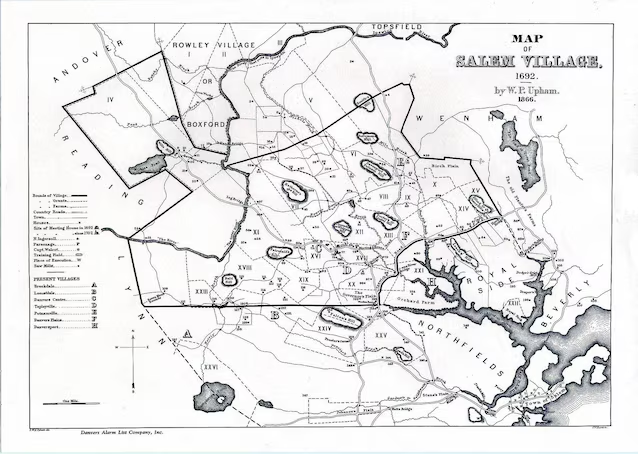
It should be remembered that the British colonization of North America – that is, of the territories that would become the United States and Canada – had begun a few decades ago. The English had founded some colonies on the east coast, such as Massachusetts, within which Salem was located. The colonists were mostly Puritans, that is, Christians who lived their faith with strong emotional involvement, sometimes bordering on fanaticism.
Throughout North America, at the end of the 17th century the colonists found themselves in a situation of insecurity, because they had to face the indigenous peoples, who were not yet defeated. Furthermore, Massachusetts remained without a governor from 1684 to 1692, which made tensions more heated and pushed the inhabitants to take justice into their own hands.
The beginning of the witch hunt story
The witch hunt began between the end of 1691 and 1692, when two girls, Betty Parris, aged nine, and Abigail Williams, aged eleven, respectively daughter and niece of the pastor Samuel Parris, began to show unusual behaviour: they remained silent for a long time, hid, crawled on the floor. A doctor, called to examine the two young women, stated that their behavior was due to diabolical possession and, since the citizens believed that the possession was due to the work of witches and sorcerers, the “hunt” began. The first accused was the young Tituba, a slave of Caribbean origin owned by the shepherd Parris. Tituba’s skin color and social status made her an easy target, so she was imprisoned and subjected to torture. The “hunt”, however, did not stop with her. Some young women accused other people of witchcraft. The prisons began to fill up. On April 11, the trial location was moved from Salem Village to Salem Town because hysteria was mounting and more and more people were being accused.
The trials and convictions that followed
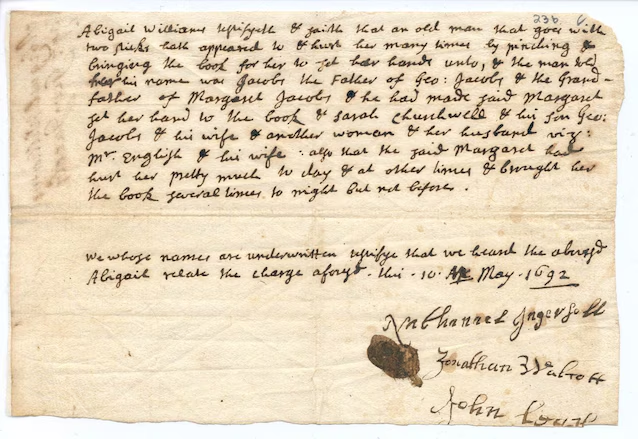
In the first months of the “hunt” no trials took place, because Massachusetts had no governor and the law of the time prevented them from being held unless ordered by an authority. The new governor designated by the British Crown, William Phips, took possession of his office at the end of May and on June 2nd the first witchcraft trial opened, ending with the death sentence of Bridget Bishop, a sixty-year-old from Salem, executed by hanging on the 10th. The trials continued in the following weeks. The court issued sentences based on irrational evidence and without any guarantee for the defendants. Among the evidence, not only confessions under torture were admitted (which, as we know, have no value), but even dreams and alleged visions of witnesses.
Psychosis, moreover, had infected the entire community: the inhabitants saw witches and sorcerers everywhere. By September 1692, 144 people, mostly women, had been tried. The court handed down numerous death sentences, but some were commuted to prison terms or not carried out. A total of 19 people were executed, of which 14 women and 5 men. Other defendants died while in prison, due to the poor conditions of detention. The accusations of witchcraft also reached very prominent people, including Lady Phips, the governor’s wife, who however was not put on trial.
The end of the tragedy and the myth to this day
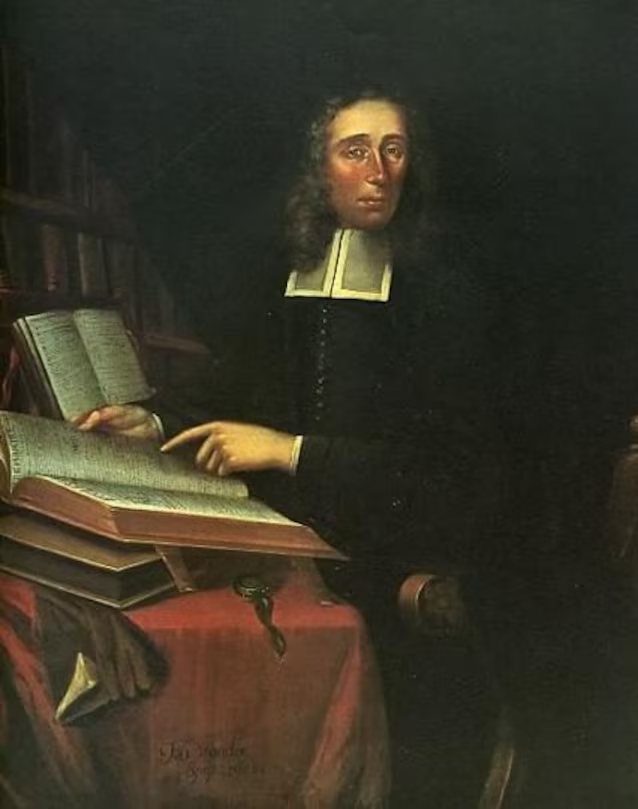
Although hysteria had infected the entire community of Salem, the criteria with which the trials were carried out also aroused much criticism. Among those who contested the actions of the court there were also authoritative figures, including the pastor Increase Mather.
In November, Governor Phips, also resentful because the accusations had implicated his wife, decided to put an end to the trials and appointed a special court to judge the cases still pending. The defendants were all acquitted (or convicted and then pardoned). Tituba, the first victim of the collective hysteria, also left prison after thirteen months of detention. The Salem witch hunts were over.
The witches of Salem are part of the collective imagination of the American population and are known throughout the world. Films, books, tragedies, comics and video games recall the psychosis of 1692. We remember, among many works, Arthur Miller’s play The cruciblefirst performed in 1953, and the most recent horror film The Witches of Salemreleased in 2012.

The city of Salem attracts visitors interested in witchcraft every year. And there are those who believe that even today the spirits of the victims of 1692 roam the place and manifest themselves through paranormal phenomena. The Massachusetts authorities, however, officially rehabilitated the victims and built a memorial to honor their memory.