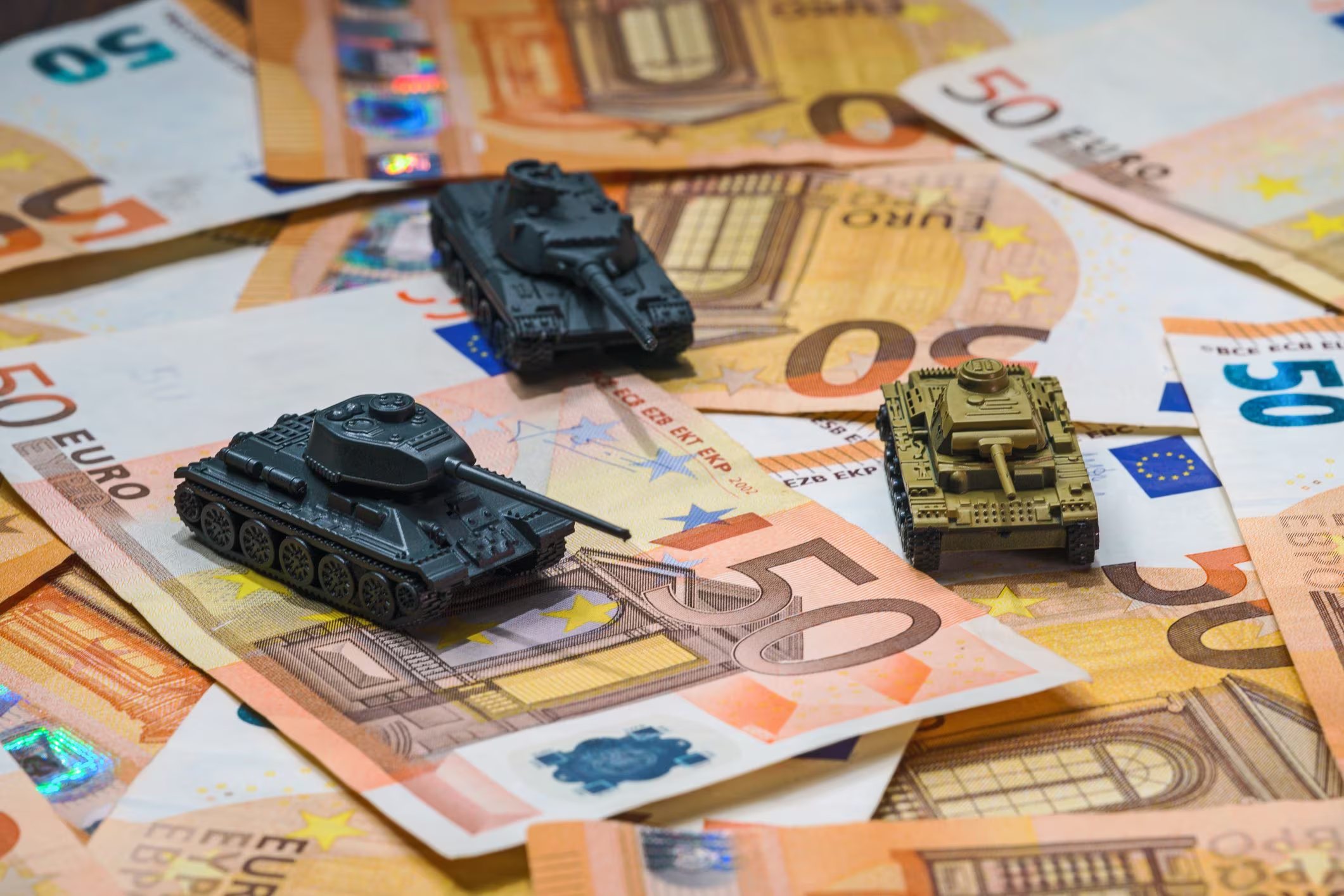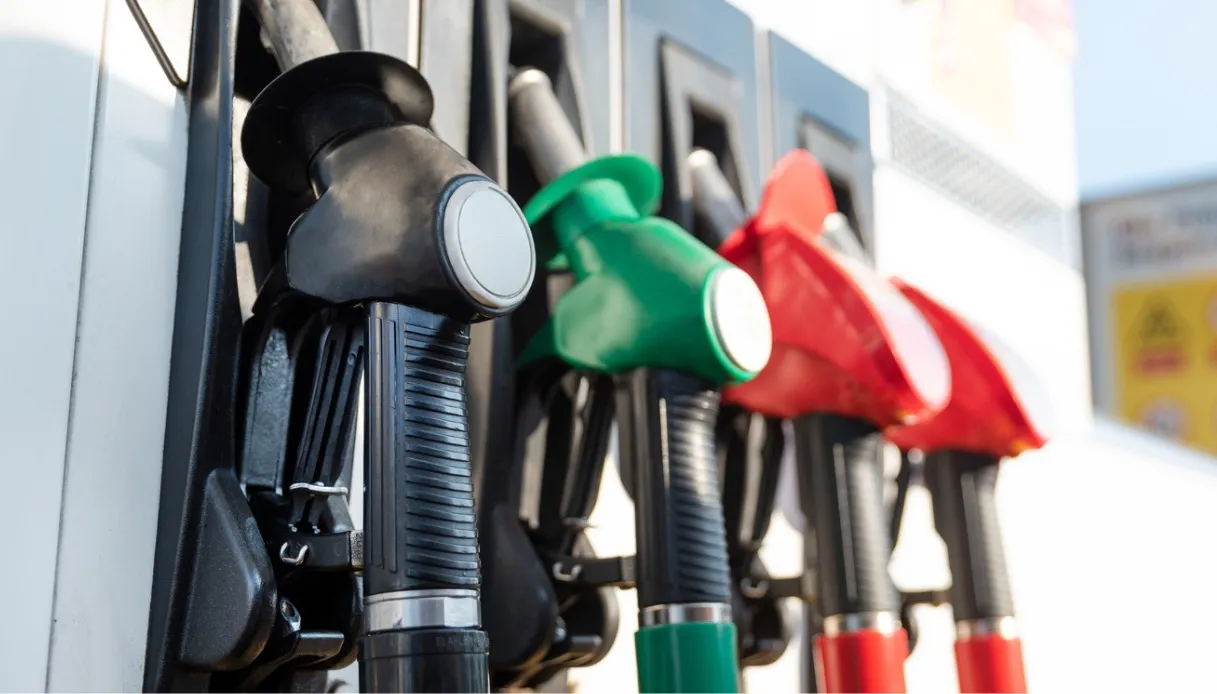
The cut in excise duties on fuel is approaching its deadline and the Government is preparing for a decision that could mark a change in strategy in the management of aid. On the table there is not only the hypothesis of an extension of the discount at the pump, but also that of a more targeted and less widespread alternative measure: a bonus of around 100 euros for the poorest families.
The current excise duty reduction amounts to approximately 6.1 cents per liter on petrol and 12.2 cents on diesel, and expires on 7 June. It was a measure introduced as an emergency to contain the impact of energy prices, but it had an extremely significant cost for public finances, estimated at around 10 million euros per day.
From general cuts to targeted aid
Within the executive, the orientation that would like to progressively overcome generalized discounts is strengthening, also in line with the indications received from European and international institutions, such as the International Monetary Fund and the European Commission. The objective is to reduce indiscriminate interventions and concentrate aid only on the most fragile subjects.
100 euro bonus linked to a card dedicated to you
The measure under study could include the provision of a voucher of around 100 euros intended for families with ordinary ISEE of less than 15,000 euros. The audience would coincide with that already benefiting from the Card Dedicated to You, the card used to support the purchase of basic necessities, for which the implementing decree is awaited for a new edition.
Through a circuit already identified and tested, the Government would like to provide the contribution to the cost of fuel, involving around 1.2 million already selected families. The objective would be twofold: to support the lowest incomes and at the same time reduce public spending compared to a fuel discount extended without distinction.
Prices falling, but the coverage issue remains
The discussion on the topic comes at a time when fuel prices are showing a more stable trend compared to the peaks of recent months. Diesel has finally fallen below 2 euros per litre, while petrol remains around 1.93 euros.
However, without an extension of the excise duty cut, estimates indicate an increase of up to around 2 euros per liter for petrol and 2.1 euros for diesel. A dynamic that makes the choice of the executive more delicate, called to balance social impact and sustainability of public finances.
Also because, if the reasons behind the current geopolitical tensions remain, it will be difficult to exclude further price increases in the near future. It is a financial contribution provided lump sum, along the lines of Carta Dedicata a Te, which risks being insufficient to cover the needs of Italian families. Not to mention that a new increase in fuel prices, particularly diesel, would also be reflected in the costs of hauliers and the entire large-scale distribution chain.
A possible turning point in fuel policy
The decision expected in the next few hours could mark a change in structural approach: from generalized support for energy consumption to a system of selective aid linked to income.
The Council of Ministers will be called upon to define the definitive line, with direct effects both on prices at the pump and on the future of support measures such as the Charter Dedicated to You