According to preliminary estimates from Istat, in March 2026 the national consumer price index marks an increase of 1.7% on an annual basis, up compared to the +1.5% recorded in February. On a monthly basis, however, the increase is 0.5%.
This is the first data to incorporate the effects of the war in the Middle East, which interrupted gas and oil supplies from the Gulf countries, triggering cascading price increases on most products.
The engine of the rise: energy
The main culprit for the inflationary acceleration is the energy sector, which significantly slows down its decline phase. Regulated energy prices went from -11.6% to -1.3% on an annual basis, while unregulated energy prices improved from -6.2% to -2.4%. Overall, the sector went from -6.6% to -2.3%, reducing the decline and contributing to the rise in general inflation.
On a monthly basis the boost is even more marked: regulated energy markets grow by 8.9% compared to February and unregulated ones by 4.6%, reflecting the strong tensions on international markets.
Prices also go up at the supermarket
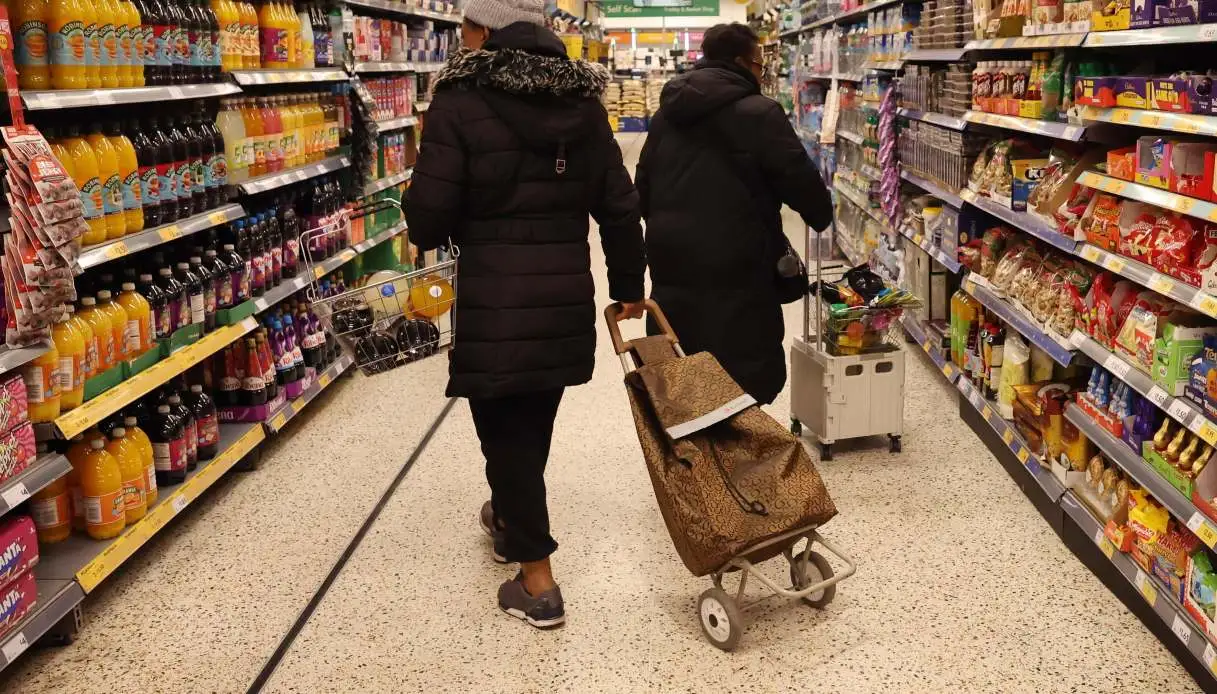
Unprocessed food also accelerates, going from +3.7% to +4.4% on an annual basis. The growth of the so-called “shopping cart”, which includes food and home and personal care products, rose to +2.2%, compared to +2.0% in the previous month. For Italian families this is a concrete and daily pressure, which adds to the increase in bills.
In this regard, Assoutenti, through the president Gabriele Melluso, states:
The prices of food products rise on average by +2.7% on year with peaks of +4.4% for unprocessed ones, but for some goods typical of the Easter holidays the increases are moving at a much faster pace. In fact, vegetables increase in price by +9.6% over the year, meat by +6.4%, while eggs record prices increasing by +8.1%. Easter eggs and chocolate products cost an average of 6.6% more than last year.
But the situation can get worse
For the National Consumers Union, the rise in inflation from 1.5% to 1.7% should not be misleading. According to president Massimiliano Dona, the situation is more critical than it appears:
This is just a mirage destined to vanish soon, as partly demonstrated by the economic inflation which takes off by 0.5%. In fact, the electricity and gas bills relating to March consumption have not yet arrived, while the end of the Milan – Cortina 2026 Winter Olympic Games has caused hotel and motel prices to drop by 6.8% in just one month, a record drop on the economic level, when in February they had taken off by 12.1%. It’s a shame that in April, due to Easter, they will go up again.
How much Italians spend
A trend inflation of 1.7% translates, for a couple with two children, into an overall increase in the cost of living of 622 euros on an annual basis. Of these, 250 euros concern exclusively food products and non-alcoholic drinks, while 266 euros are linked to the shopping cart. For a couple with a child, the total additional annual expenditure is equal to 546 euros, of which 219 euros for food and drinks and 235 euros for the shopping cart. On average, for a family, the burden is 389 euros per year, of which 173 euros goes towards food and drinks.
| Spending divisions | Average family (€) | Couple with 2 children (€) | Couple with 1 child (€) | Annual inflation March (%) |
|---|---|---|---|---|
| Food products and non-alcoholic drinks | 173 | 250 | 219 | +2.7 |
| Alcoholic drinks, tobacco and drugs | 11 | 14 | 15 | +2.1 |
| Clothing and footwear | 10 | 18 | 14 | +0.8 |
| Housing, water, electricity, gas and other fuels | -72 | -78 | -77 | -1.8 |
| Furnishings, appliances for domestic use and maintenance | 22 | 30 | 27 | +1.6 |
| Healthcare | 14 | 17 | 17 | +1.0 |
| Transport | 75 | 123 | 114 | +2.1 |
| Information and communication | -25 | -37 | -34 | -2.9 |
| Recreation, sport and culture | 14 | 24 | 20 | +1.1 |
| Education services | 4 | 11 | 7 | +1.8 |
| Restaurant services and accommodation services | 66 | 115 | 92 | +3.4 |
| Financial and insurance services | 37 | 55 | 51 | +4.2 |
| Personal assistance, social protection and various goods and services | 61 | 80 | 81 | +3.8 |
| TOTAL ANNUAL PRICE INCREASE | 389 | 622 | 546 | +1.7 |
| SHOPPING CART | 184 | 266 | 235 | +2.2 |









