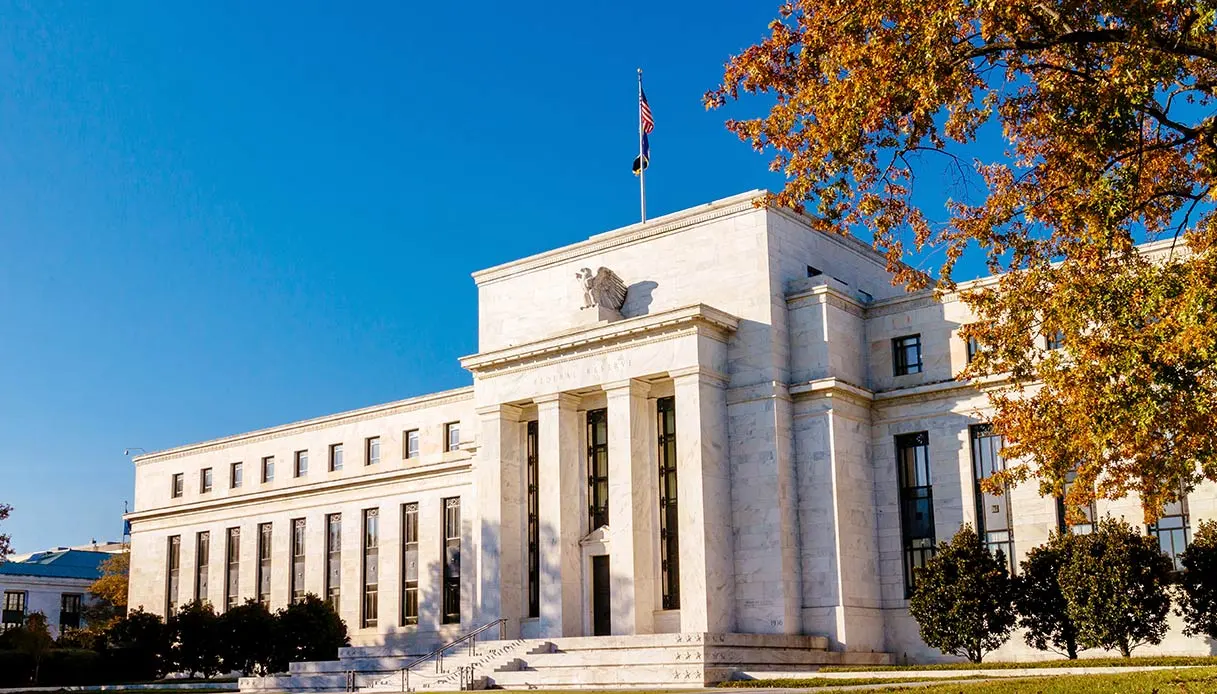
Kevin Warsh’s Federal Reserve raises the wall against inflation and inaugurates a new, aggressive course of monetary policy. With interest rates frozen at 3.50-3.75% – a decision that the American Central Bank itself considers in all respects to be a restrictive crackdown – the hawks in Washington are locking down the hard line. Confirming the change of course are the statements of two FOMC heavyweights, Austan Goolsbee and John Williams: rates will not fall, despite inflation which became fearful again in May.
Goolsbee and Williams freeze expectations of cuts
No steps backwards, no signs of slowing down. Two of the most listened to representatives of the Fed yesterday chilled the markets’ hopes of an imminent monetary easing.
Austan Golsbee (President of the Chicago Fed, not voting this year but with the right to vote in 2027) raised the alarm on CNBC: “Right now, between price stability and the job market, the problem is clearly inflation. It’s still moving in the wrong direction.” By shielding the Warsh line, Goolsbee avoided any predictions on rates, confirming that the absolute priority is to crush the cost of living.
John Williams (President of the New York Fed and permanent voting member) tries to throw water on the fire but moves the time horizon far forward. Williams says he is satisfied with the current level of rates and is betting on a gradual slowdown in prices thanks to three factors: the reduction in the impact of duties, the end of energy tensions linked to the war in Iran and the cooling of rents. However, his roadmap is a reality check for optimists: inflation at 3.5% by the end of the year (from the current 4.1%) and a return to the target of 2% not before 2028.
PCE shock: core inflation soars to highest since 2023
The words of the central bankers come like a cold shower immediately after the shock of the macroeconomic data. The index PCE core (the measure of inflation most monitored by the Fed) recorded a flare-up in May 3.4%hitting its highest peak since October 2023.
The price increases hit hard and evenly: goods grow by 0.4% (driven by the boom in +6.5% of energy), while services soar by 0.5%marking the most violent leap since January, pushed out of control by the transport sector (+0.8%).
Warsh’s Fed “scraps” the past: markets ready for an increase in September
We are facing a total paradigm shift. President Kevin Warsh has officially “scrapped” there forward guidancethe old communication strategy that anticipated the Fed’s moves to reassure investors. The latest FOMC statement was a bolt from the blue: very short, dry and devoid of any forward-looking indication.
The markets, deprived of the compass of the Central Bank, are already recalculating the risk. Despite the tactical silence of Goolsbee and Warsh, the operations rooms do not rule out a twist: a new rate increase in September it is a more than concrete hypothesis.
The next point: The FOMC will meet again on 28 and 29 July. According to data from CME’s FedWatch, the markets are already betting on a probability of 30% on an immediate upward adjustment in the cost of money. The truce could last very little.