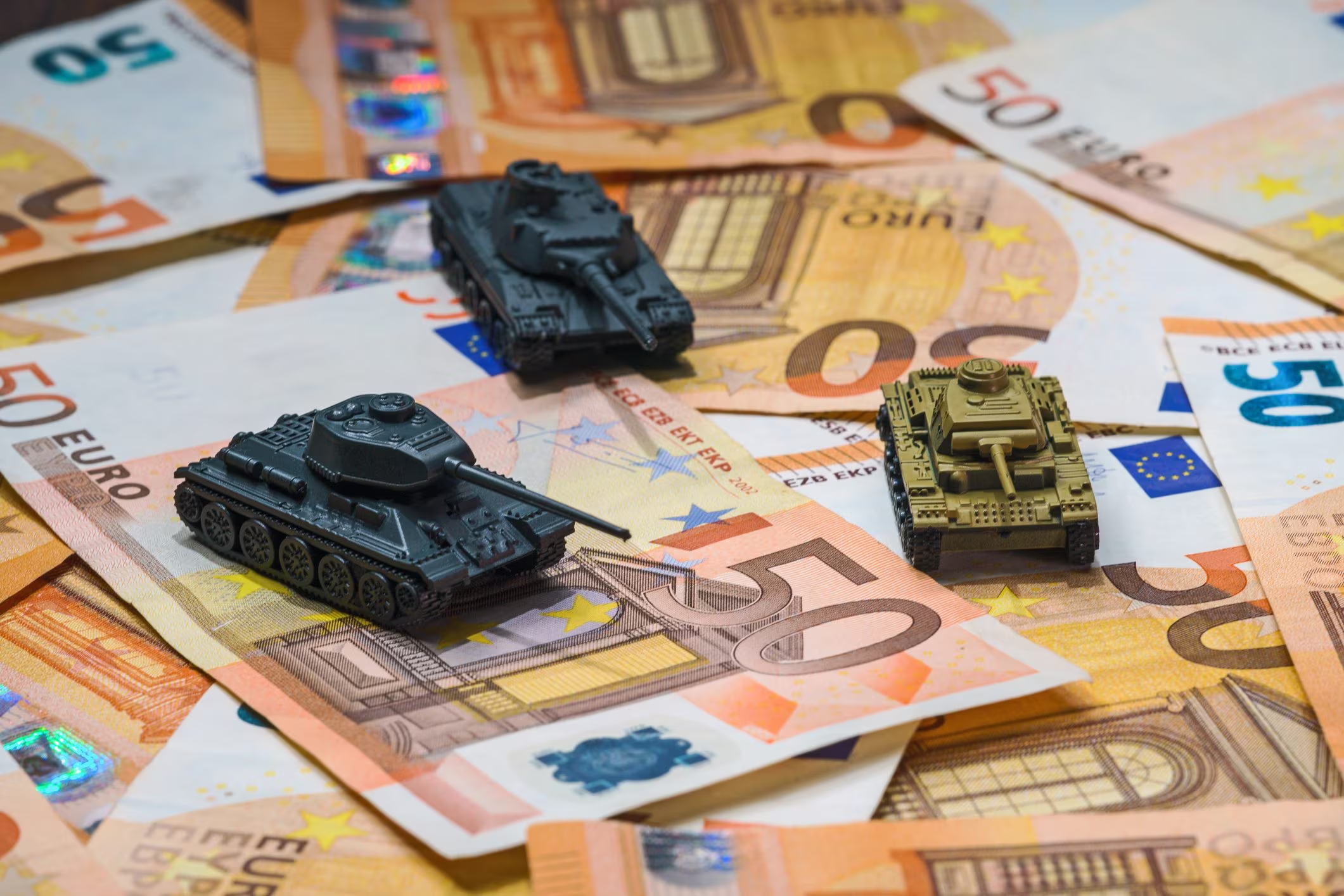
The announced disengagement of the United States from NATO and the prolongation of the Russian-Ukrainian conflict are forcing European nations to radically reevaluate military spending and their defense budgetsbut this risks colliding with strong political and fiscal fragmentation between the various member states, making economic growth asymmetrical and introducing complex budgetary compromises.
This is what emerges from the last one Defense Brief published by S&P Global Ratingswhich traces the map of a multi-speed defense Europe, where the immediate beneficiaries will be the companies in the sector to the detriment, in the short term, of the GDP of individual sovereigns.
A three-speed Europe
According to S&P estimates, most NATO countries are committed to achieving central defense spending of 3.5% of GDP by 2035marking a clear increase compared to the average of approximately 2.1% recorded in 2025. This collective effort, which implies an average annual increase of 0.2% in GDP, will not occur uniformly, however, but will mainly be divided into three groups of countries: l‘Est proactive gled by Poland and the Baltic States, which show the highest spending percentages (4.8% of GDP in Poland, 4.9% in Latvia and 5.4% in Estonia and Lithuania); the lands of half, primarily Germany, which enjoys fiscal room for maneuver and committed to increasing its allocations from 2.8% of GDP in 2026 to 3.5% by 2029; the reactive countries as France, United Kingdom, Belgium and Southern Europe, strongly affected by fiscal constraints or competing political priorities.
The economic impact and fiscal pressures
The analysis highlights how European economies are unlikely to benefit significantly in the short term from this budget increase. At the moment, over two thirds of total spending is absorbed by personnel costs and the import of equipment. On the contrary, investments in research and development, innovation and infrastructure – the only ones capable of generating a real internal economic multiplier – currently represent less than a third of the total.
As a result, for countries with high public debt such as France and the United Kingdom, military spending risks exacerbating existing fiscal tensions, putting pressure on sovereign ratings. Without incremental growth, governments may be forced to make unpopular cuts in other areas of public spending, such as welfare, to finance defense..
Structural dependence on the United States
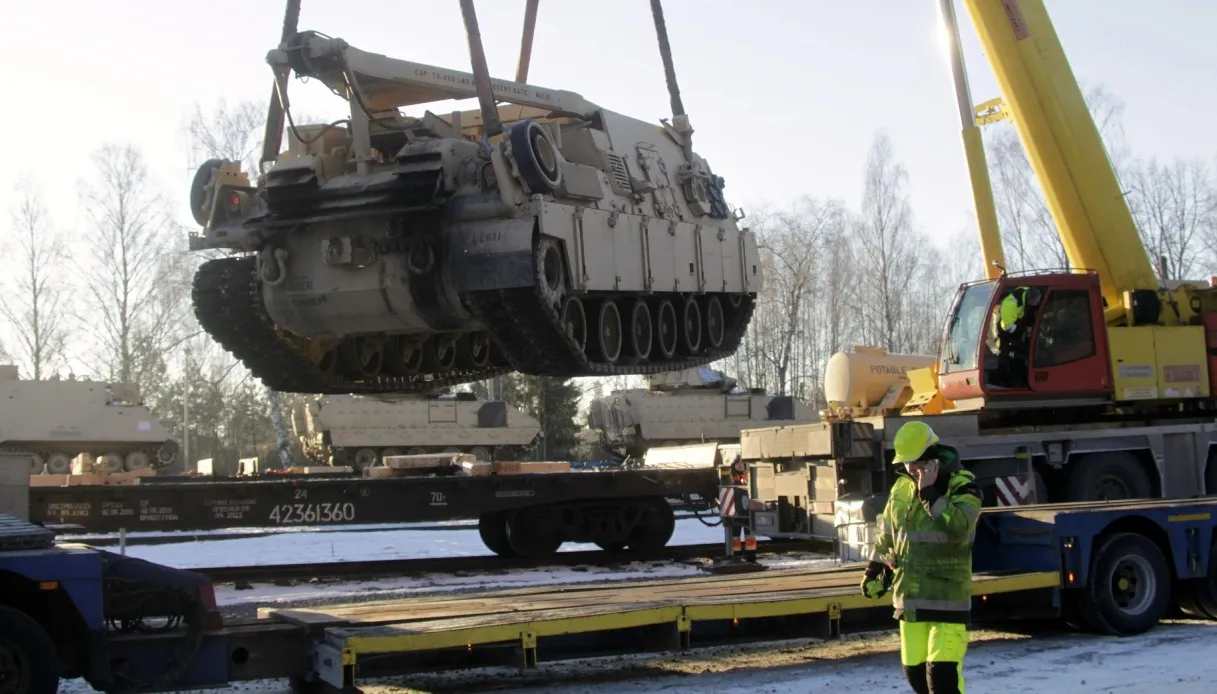
The path towards the long-awaited European “autonomy” is held back by a profound structural dependence on US suppliers, both in terms of products and strategic services. Europe relies on the US for key assets such as fighter jets, air defense systems, precision weapons, software and electronics technology, as well as vital sectors such as intelligence and satellite communications. This asymmetry means that the largest European budgets inevitably end up being “dispersed” in overseas imports.
The role of companies and future prospects
If governments struggle, European defense companies see their creditworthiness consolidate, thanks to strongly growing order books, revenues and profits. However, their ability to expand is limited: the European supply chain is mainly made up of small and medium-sized businesses, often family-run, with limited ability to raise equity capital to absorb any disruptions in the complex supply chain.
According to S&P, the real turning point could be represented by the adoption of joint procurement and the issuance of shared debt, in the wake of the initiative Security Action for Europe – SAFE from 150 billion euros last year.