G7 leaders have reached an agreement to release up to 100 million barrels of oil and diesel from emergency supplies onto the markets.
The initiative was coordinated through the International Energy Agency and is expected to last four months. The aim is to calm the prices of petrol and diesel, put under pressure by the crisis in the Strait of Hormuz.
Emmanuel Macron’s announcement
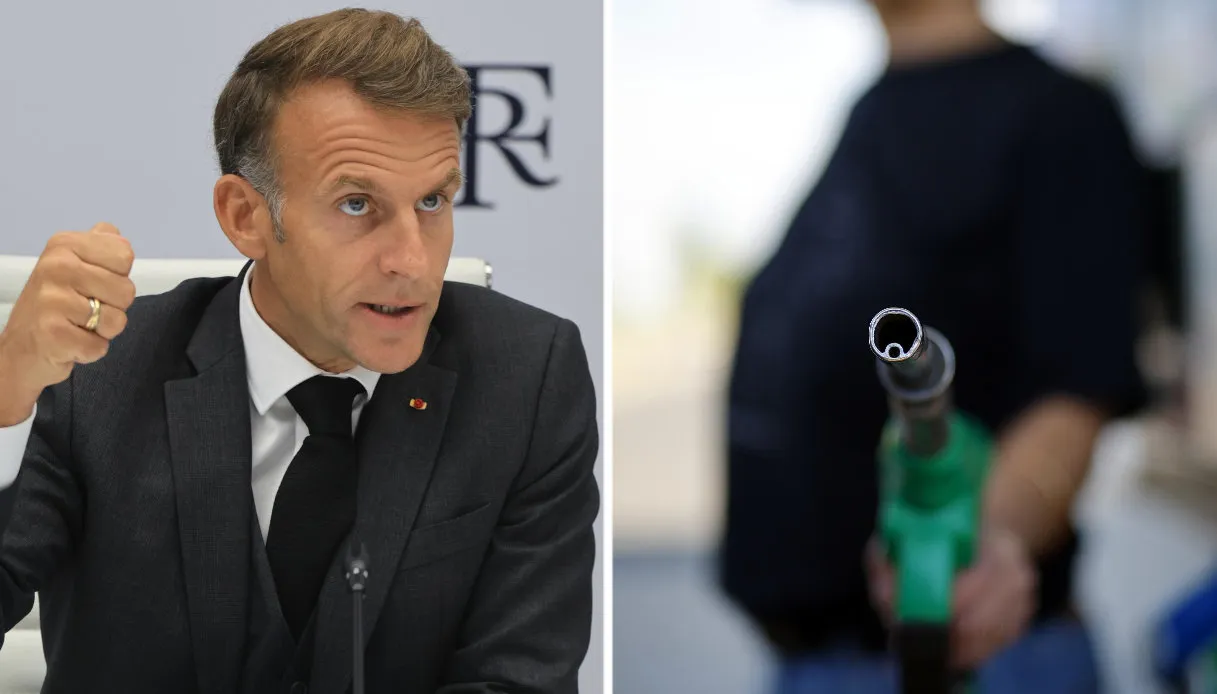
The move comes at the end of a videoconference summit convened by the French presidency: as confirmed by President Emmanuel Macron, the operation includes an emergency intervention concentrated in the first 20 days regarding diesel, accompanied by the commitment not to introduce any ban or limitation on trade between member countries.
The decision comes after Donald Trump’s pressure on Europe, with the threat of a possible block on American diesel exports to European countries. The agreement reached avoids, at least for the moment, a new trade conflict between the United States and its allies.
According to reports from the Elysée before the meeting, European countries will provide 50 million barrels of diesel, while IEA members will contribute another 50 million barrels of crude oil. The final G7 statement speaks of a total of 100 million barrels.
It was also agreed to coordinate refinery maintenance programs to prevent multiple plants from shutting down production at the same time.
Petrol and diesel, what can happen to prices
The first expected consequence is a possible slowdown in fuel price increases. In fact, the release of oil and diesel from reserves increases the quantity of product available, at least partially reducing the pressure on the market. The effect, however, is not automatic and above all it does not guarantee an immediate drop in prices at distributors, also due to the usual “missile and feather” effect: prices that rise at the speed of a missile and then fall with the slowness of a falling feather.
The prices of oil and refined products depend on several factors: the actual availability of supplies, transport costs, the capacity of refineries and the expectations of operators.
A first positive signal arrived already after the G7 announcements: the prices of WTI and Brent crude oil showed declines already during trading in London and New York.
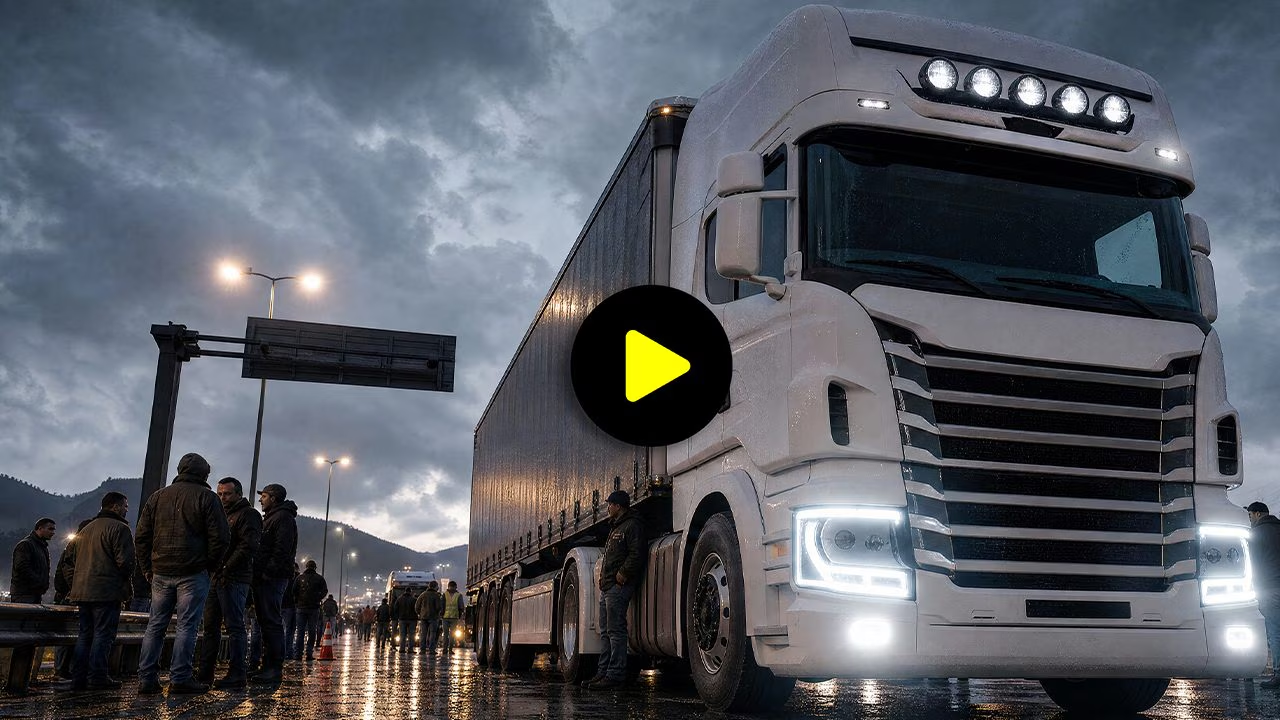
For Italian motorists, the G7 decision could help relieve their wallets when refueling with petrol and, above all, diesel. And also remember that in Italy most transport takes place by road, so the final prices of goods could also slow down. But it is not possible to quantify any savings per liter in advance nor to establish when a visible change could arrive at distributors and on inflation.
Because the energy crisis cannot be solved with reserves
The main problem is that the release of the stocks represents a temporary response to an emergency that has been going on for months now, namely the war with Iran and the crisis of maritime transport through the Strait of Hormuz, one of the most important passages for global oil trade. Added to this are the restrictions on Russian diesel exports and the suspension of fuel exports by Chinese refineries.