Italy and the European Commission have reached a preliminary agreement on the measures of the Bill decree to contain the cost of electricity for families and businesses. The agreement, reached on 16 October after a technical discussion between Rome and Brussels, paves the way for an intervention on the price of energy without changing European rules on emissions.
The result represents an important step for the government led by Giorgia Meloni, which has long asked for greater flexibility to deal with high energy costs. The central point concerns the possibility of reducing the impact of the gas price on the formation of the electricity price, through a mechanism for compensating the costs incurred by power plants.
The agreement, however, does not yet equate to definitive approval of the measure. Italy will have to formally notify the updated text of the plan to the European Commission, which will be examined in light of EU rules on state aid and competition. Brussels has announced its intention to proceed quickly with the assessment once the documentation has been received.
How the mechanism to lower bills works
To understand the scope of the agreement we must start from the functioning of the electricity market. In Italy electricity is produced through various sources, including solar, wind, hydroelectric and natural gas. The wholesale price, however, is generally determined by the most expensive equipment needed to meet demand at a given time.
Often it is a gas-fired power plant, especially when renewable sources are not sufficient to cover needs. As a result, an increase in the cost of fuel can increase the price of electricity on the market, also affecting the energy produced by solar and wind plants, which do not have to purchase gas to operate. This is the mechanism on which the government wants to intervene. The hypothesis is to introduce a conventional ceiling on the cost of gas used to produce electricity, so as to reduce the weight of price increases in determining the final price of energy.
Concretely, the system should provide a reference level for the cost of fuel. If the actual price of gas exceeds this threshold, the difference would be compensated through a specific mechanism. The recognized cost of electricity production would thus be lower and could contribute to reducing the price of electricity on the wholesale market. The measure therefore does not consist in imposing a generalized ceiling on the price of gas for all uses, but in intervening on the cost of the fuel used by power plants. The operating methods, the reference threshold and the financing system must be specified in the definitive text of the decree.
Who will pay the difference between the real price and the ceiling
One of the central aspects of the plan concerns the financing of compensations. According to the mechanism described by the government, the State should cover the difference between the actual cost of gas and the conventional cost recognized for the purposes of electricity production.
The objective is to prevent the high price of fuel from continuing to be passed on entirely to the electricity market. In this way, the system should help contain the costs incurred by operators and, through the reduction of wholesale prices, encourage a reduction in bills. However, the European Commission has set some limits: the intervention must be temporary, must not significantly alter competition and must guarantee that the benefits reach consumers in full.
The precedent of the Iberian model
The reference is the experience of Spain and Portugal, which in 2022 obtained authorization from the European Commission to introduce an extraordinary mechanism to contain the impact of gas on electricity prices. The so-called Iberian model intervened on the supply costs of power plants powered by fossil fuels, with the aim of reducing the wholesale price of electricity during the energy crisis.
The Italian solution is inspired by that experience, but will have to respect the conditions agreed with Brussels and the characteristics of the national market. The precedent demonstrates that it is possible to introduce temporary measures on the functioning of the electricity market, as long as they are compatible with European rules and do not compromise competition.
When will the final green light arrive
After the preliminary agreement, the next step is up to the Italian government, which will have to formally present the plan to the European Commission. The community executive will then proceed to verify the compatibility of the measure with European law and with the temporary framework on state aid prepared to address the consequences of the crisis in the Middle East.
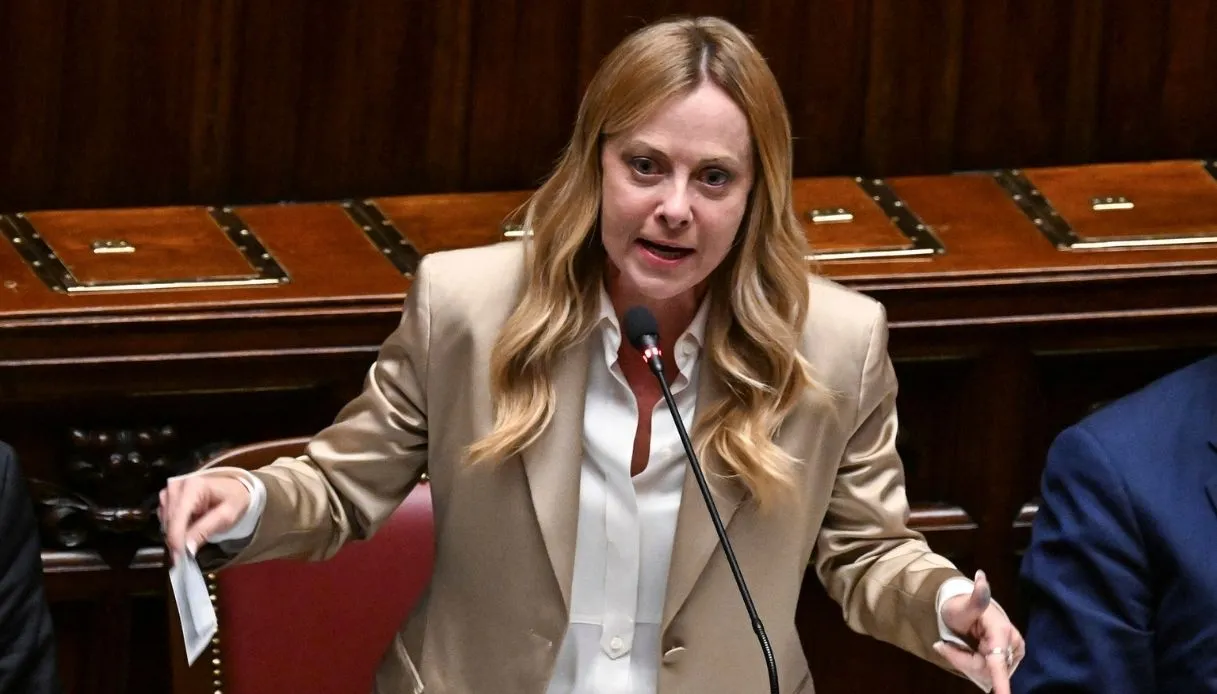
The Minister of the Environment and Energy Security, Gilberto Pichetto Fratin, announced that the notification of the new text should arrive shortly. Prime Minister Giorgia Meloni also welcomed the outcome of the negotiation, considering it a step forward in the government’s strategy against high energy costs.
The agreement therefore marks an advance in the confrontation between Italy and the European Union. The government gains the ability to intervene on the cost of gas used to produce electricity, while Brussels maintains constraints on competition and climate policy. Reducing bills remains the objective of the plan, but its concrete scope will depend on the final conditions of the measure and its application.