To invest in financial instruments such as bonds, shares or government bonds, it is necessary to have an instrument that allows you to register and store these investments, i.e. a securities deposit account.
This is a service offered by credit institutions and financial intermediaries that allows you to store the purchased securities and manage all related operations, such as the payment of interest or dividends.
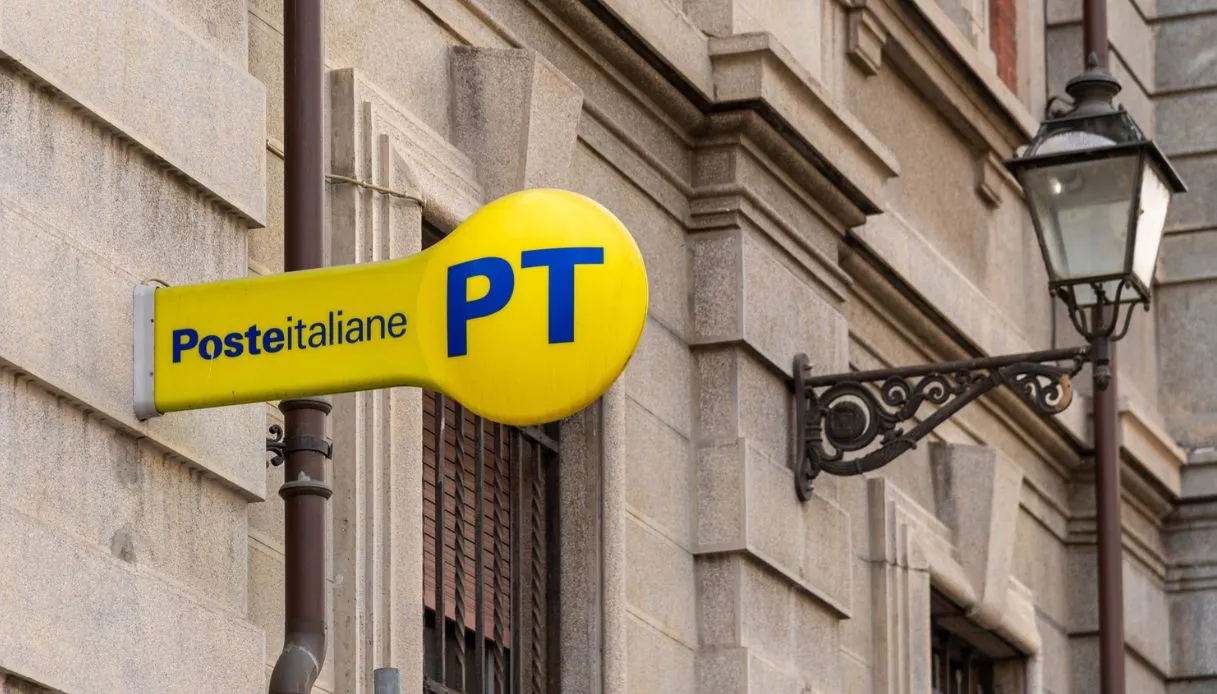
Poste Italiane also offers the possibility of using this service through the BancoPosta securities deposit, thanks to which customers can hold and manage various financial instruments by connecting them directly to a postal savings account or a BancoPosta account.
So how exactly does this deposit work and what costs does it involve?
What is a securities depository and why is it so important for investors
The securities deposit is an account in which all the products purchased by the investor are registered.
In fact, when a person buys bonds, shares or government securities, he no longer receives a paper certificate as happened before. Today, almost all securities are dematerialized, meaning that they exist only in electronic form and are recorded in electronic systems managed by financial intermediaries.
The investment administration service serves precisely this: to officially keep track of the securities owned and to update all the operations that take place such as sales or purchases.
It also carries out a very important administrative function.
When securities pay coupons or distribute dividends, the intermediary collects the amounts and credits them directly to the client’s account. Likewise, it manages the repayment of capital upon maturity of government bonds or bonds.
Thanks to this system, the investor does not therefore have to worry about the technical procedures that regulate the financial markets. All administrative operations are in fact managed by the intermediary who keeps the securities deposit updated and provides the customer with a periodic account statement with the list of investments owned.
Who can open the BancoPosta securities deposit?
You can open a securities deposit at Poste Italiane only if you have a BancoPosta current account or a postal savings account.
To open online, however, it is required that the account be in a single name and enabled for internet banking services and that the Smart passbook is in a single name and enabled for online banking operations.
If these conditions are not met, the product can only be opened at post offices.
To complete the activation it is then important to be in possession of an identity card or other valid identification document and also:
- having signed the Mifid contract required by European legislation on investment services;
- have an active MiFID questionnaire which is essential to identify your financial profile.
Anyone who does not yet have an active questionnaire can fill out or update it online or at a post office.
The securities deposit can be activated directly online by accessing your financial profile by entering your credentials or by going to the post office after booking an appointment with a consultant via the Poste Italiane website or the dedicated app. The telephone assistance service is also available on 06 4526 4526, active 24 hours a day every day. The cost of the call depends on the tariff plan of your telephone operator.
How much does the Poste Italiane securities deposit cost?
Poste Italiane’s securities deposit includes a six-monthly management fee that varies based on the types of financial instruments you own and the product to which the deposit is connected, namely:
- if there are only government bonds such as Bot, Btp, Cct or Ctz, the management expense per calendar semester is 10 euros whether you have a BancoPosta current account or a nominative postal savings account;
- if the deposit contains other financial instruments such as ETFs, shares, non-state bonds and certificates, if it is connected to the BancoPosta current account the cost is 15 euros while if it is connected to the postal savings book it reaches 20.66 euros per semester.
In the event that there are no securities in the deposit during the semester, the service is free, with the exception of any tax charges required by law; However, if different types of securities are present in the reference calendar semester, only the highest commission among the types present is applied.
Special situations
In some particular situations, the cost of managing the securities deposit can be completely eliminated: for example, employees and pensioners of the Poste Group and similar entities can enjoy exemption from payment of management costs for any type of financial instruments stored.
In addition to these expenses, however, the deposit does not provide additional fixed costs for ordinary operations such as:
- sending the securities account statement;
- the crediting of coupons or dividends;
- the reimbursement of securities that have reached maturity;
- other corporate events such as capital increases or splits.
These operations are in fact managed by the intermediary without extra charges.
Finally, it must be remembered that securities trading operations on the market may involve execution commissions or other charges that depend on the security or channel chosen.
To understand what the costs are, Poste provides a periodic statement that shows all the expenses incurred and their impact on investment returns.
What operations can be carried out with the Poste Securities Depository?
Anyone who owns a Poste Italiane securities deposit can operate on both the primary and secondary markets.
The first is the one in which financial instruments are placed for the first time. In this phase the securities are issued by those who create them, such as the State or a company, and purchased directly by investors. Through the deposit it is therefore possible to participate in the subscription of various financial products, such as government bonds or bonds.
The functioning of the secondary market, however, is different in that newly issued securities are not purchased but financial instruments already in circulation which are bought and sold among investors. This is the market in which shares, bonds, ETFs and many other products on the stock exchanges are traded every day. In this way investors can buy new securities or sell those already in their portfolio.